The Future Of Internet Without Cables
|
Getting your Trinity Audio player ready...
|
The world is changing fast. Technology is growing, and one of the biggest changes we are seeing today is how the internet is no longer tied to cables. For many years, people had to depend on cable networks to access the internet. These cables were either under the ground or under the sea, connecting cities, countries, and continents. But now, a global shift is happening. More people are turning to wireless internet. Two of the biggest names in this transformation are 5G technology and Starlink by Elon Musk.
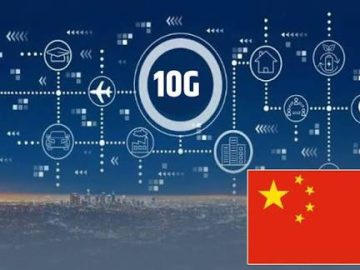
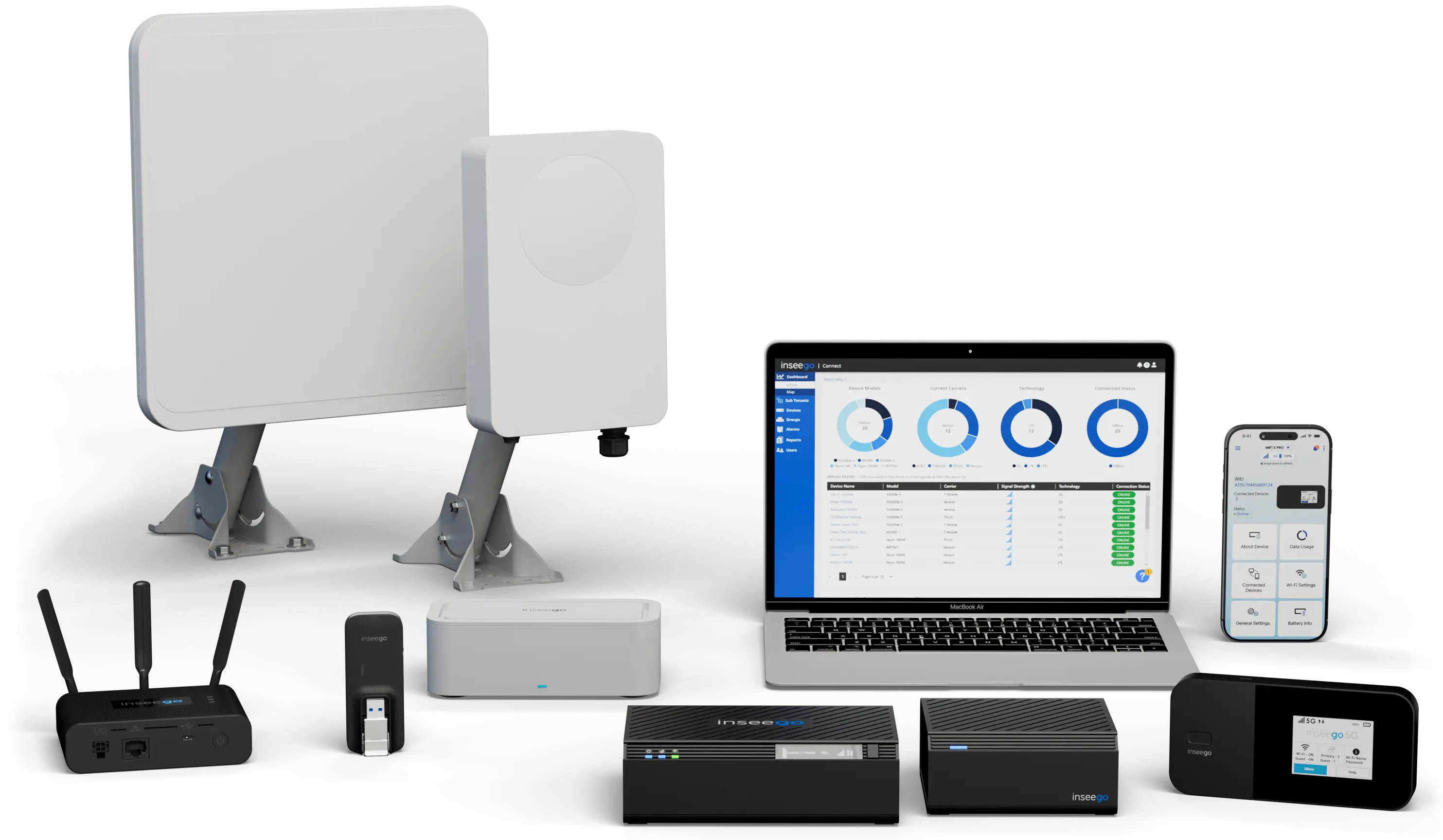
The fifth generation of mobile internet, also called 5G, is already being used in many cities around the world. It is much faster than the older 4G and 3G networks. With 5G, you can download large files in seconds, make clear video calls without interruptions, and enjoy fast gaming and streaming without buffering. What makes 5G special is not only its speed but also its power to connect many devices at the same time. In big cities, where thousands of people use the internet at the same moment, 5G can handle all that traffic smoothly.
5G does not need cables like the traditional internet. It uses powerful cell towers and small antennas placed around buildings and on street poles. These antennas send signals to smartphones, tablets, and even smart cars. This makes 5G perfect for the future of smart cities, self-driving cars, and new inventions that rely on constant internet connection.
While 5G is doing great in cities, rural and remote areas still struggle. In many villages, forests, deserts, and islands, there are no cell towers and no cables. People in these places have lived for years without proper internet access. This is where satellite internet becomes a solution.
One of the most talked-about satellite internet services today is Starlink. Starlink is a project by Elon Musk and his company SpaceX. Instead of using large and expensive satellites that take years to build, Starlink uses thousands of small satellites placed in low Earth orbit. These satellites move around the planet and send internet signals to dishes placed on the ground.
What makes Starlink powerful is its ability to reach almost any location on Earth. A small village in the mountains or a home in the desert can now enjoy fast internet just by setting up a Starlink dish. The dish connects directly to the satellite above and gives internet without needing cables or a mobile network nearby.
Starlink has already changed lives in places where no other internet service could reach. Students in remote villages can now attend online classes. Farmers can check weather updates. Doctors in far-off clinics can connect with hospitals in big cities. Businesses in small towns can now sell their products online and reach customers worldwide.
Governments and organizations are also using satellite internet to improve services. In areas hit by floods, earthquakes, or war, where the internet has been cut off, satellite internet helps rescue teams and reporters communicate and share important information.
The move away from cables is also helping the environment. Laying cables under the sea or through forests can damage nature. Wireless internet and satellites reduce that need. They make it easier and faster to connect more people without harming the Earth.
Of course, there are still some challenges. Satellite internet like Starlink is not cheap. The equipment and monthly fees may be too high for some families, especially in poor regions. Also, weather like heavy rain or snow can sometimes affect the signal. But as technology improves, these problems will become smaller.
In the future, we can expect even more changes. Companies and countries are launching their own satellites. Others are building strong 5G networks even in the countryside. Some are combining both satellite and mobile internet to give the best results.
The dream is clear. A world where every person, no matter where they live, can access fast and reliable internet without waiting for cables. A world where students in the jungle, nurses in the desert, or children on a small island can enjoy the same internet as someone in New York, Paris, or Tokyo.
This future is not far away. It is already starting. The internet without cables is not just a dream. It is a reality that is growing every day. And soon, no one will be left behind.
Share this
- Click to share on Facebook (Opens in new window)
- Click to share on WhatsApp (Opens in new window)
- Click to share on Twitter (Opens in new window)
- Click to share on Threads (Opens in new window)
- Click to share on LinkedIn (Opens in new window)
- Click to share on Pinterest (Opens in new window)
- Click to email a link to a friend (Opens in new window)
Discover more from The HotJem
Subscribe to get the latest posts sent to your email.