




HPV And The Rising Cases Of Throat Cancer In The West
|
Getting your Trinity Audio player ready...
|
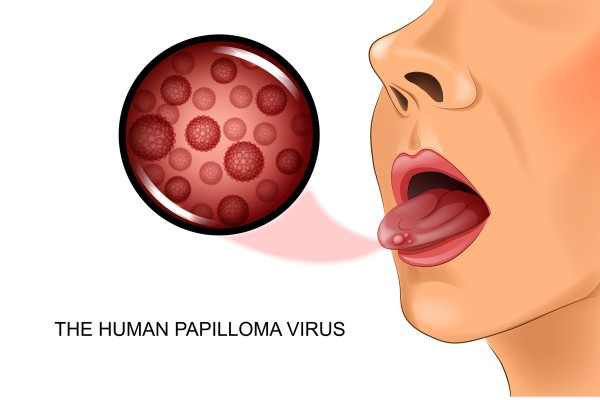
In recent years, doctors and researchers have been raising concerns about a fast increase in throat cancer cases in the United States and the United Kingdom. The type of throat cancer that is growing the most is called oropharyngeal cancer, and it is often linked to a virus known as the human papillomavirus, or HPV. This virus is sexually transmitted and can be spread through oral sex. What makes this issue more worrying is that in some high income countries, throat cancer caused by HPV has now become the most common HPV related cancer, even more common than cervical cancer which was always seen as the leading HPV cancer for many decades.
Professor Hisham Mehanna from the University of Birmingham in the UK has been one of the voices speaking strongly about this rise. He explained that the way sexual behaviour has changed in modern society, especially the increase of oral sex and the number of sexual partners, has a direct link to this health problem. Studies show that people who have had many lifetime oral sex partners face a much higher risk of developing HPV positive throat cancer. For example, those who have had six or more oral sex partners are between five to eight times more likely to develop this kind of cancer compared to those who have never had oral sex. This shows how lifestyle choices can directly affect health in serious ways.
The situation is more visible in the West where the number of cases has been rising for over two decades. Some experts even describe it as an epidemic because of how quickly it is spreading. Unlike cervical cancer, which is mostly found in women, HPV related throat cancer affects men more, and this has changed the way health experts are thinking about prevention and treatment. While smoking and heavy drinking remain strong risk factors for cancers of the throat and mouth, HPV through oral sex is now seen as the leading reason why oropharyngeal cancer is rising so quickly in developed countries.
Public health campaigns are stressing the importance of the HPV vaccine as a way to protect against this problem. The vaccine was first introduced to prevent cervical cancer, but research has shown it also protects against the HPV types that cause throat cancer. In countries where vaccination rates are high, there is hope that the number of HPV related cancers, including throat cancer, will begin to drop in the future. However, many young men still do not get vaccinated because the vaccine was originally promoted mainly for girls, and this creates a gap in protection.
Doctors also recommend other steps to reduce risk. Using protection during sexual activity can lower the chances of HPV infection, although it may not remove the risk completely. Limiting the number of sexual partners can also make a big difference. At the same time, avoiding tobacco and drinking alcohol in moderation remain important since these substances continue to play a big role in the overall number of throat cancers.
Experts want the public to be more aware of this issue because early detection saves lives. Symptoms like persistent throat pain, changes in voice, difficulty swallowing, or a lump in the neck should never be ignored. If these signs continue for a long time, it is important to see a doctor. Many people do not know that HPV can cause cancer in the throat, so spreading awareness is key.
The rise of HPV related throat cancer is a reminder that health problems often change with time and with human behaviour. What was once considered rare is now a leading concern in some countries. The good news is that prevention is possible, and vaccines and healthy choices can greatly reduce the risk. The challenge now is making sure more people are informed and protected before the problem grows even bigger.
Share this
- Click to share on Facebook (Opens in new window)
- Click to share on WhatsApp (Opens in new window)
- Click to share on Twitter (Opens in new window)
- Click to share on Threads (Opens in new window)
- Click to share on LinkedIn (Opens in new window)
- Click to share on Pinterest (Opens in new window)
- Click to email a link to a friend (Opens in new window)
Discover more from The HotJem
Subscribe to get the latest posts sent to your email.