



How The Blue Led Changed The World And Powered Modern Technology
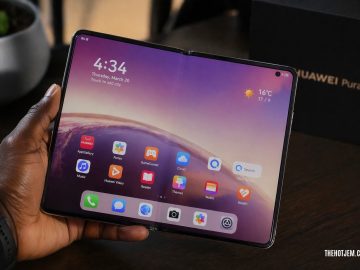
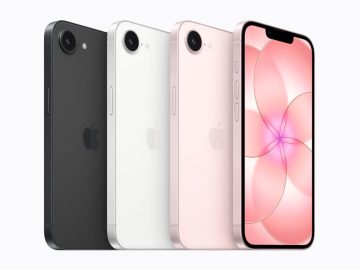
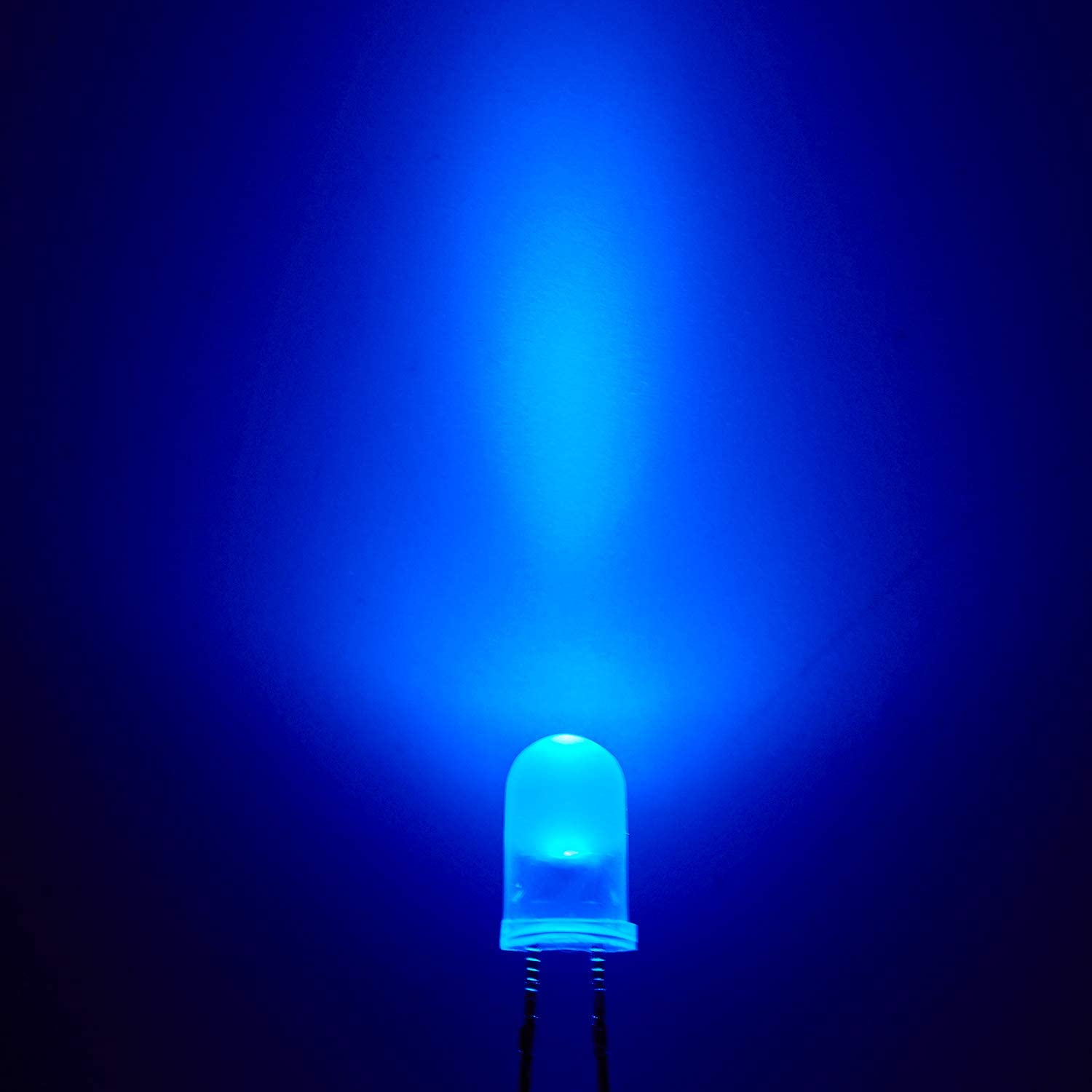
The creation of the blue LED is one of the greatest scientific achievements of the modern world. It completely transformed how people use light and color in technology. Before it was invented, scientists had already created red LEDs and green LEDs in the 1960s, but something was still missing. The blue LED was the final piece that completed the color spectrum. Without it, there could be no white light, and devices such as television screens, laptop screens, and smartphones could not exist as we know them today. These screens work by combining red, green, and blue LEDs to produce every color we see.
For many years, scientists around the world tried to make blue LEDs but failed. The problem was that blue light requires more energy than red or green light, and the materials available at that time could not handle it. Materials like silicon and gallium arsenide were good for red and green, but they were not strong enough to produce blue. Decades passed, and no one could find a solution.
Finally, in the early 1990s, three Japanese scientists — Isamu Akasaki, Hiroshi Amano, and Shuji Nakamura — discovered that a material called gallium nitride (GaN) could produce blue light effectively. This was a major scientific breakthrough that changed the entire world. After nearly thirty years of failed experiments, they had finally made the blue LED possible. For this remarkable achievement, the three scientists were awarded the 2014 Nobel Prize in Physics.
The invention of the blue LED opened the door for white LED light, which comes from mixing red, green, and blue light together. This changed how lighting works everywhere. White LEDs are now used in homes, offices, streetlights, phones, computers, and television screens. They are energy-efficient, long-lasting, and environmentally friendly compared to older types of bulbs.
Major companies quickly saw the potential of this new technology. IBM, for example, began using LED displays in their computer systems. Apple, Samsung, and Sony built entire product lines around LED-based screens. LG and Panasonic used blue LED technology to create brighter televisions with better picture quality. Dell, HP, and Lenovo also relied on LEDs for their laptop screens. Even companies that do not directly produce screens, such as Philips and General Electric, adopted LED lighting systems for homes, offices, and public spaces.
Without the blue LED, none of these companies could have produced the modern digital screens we use daily. Our smartphones, televisions, laptops, and even traffic lights depend on the combination of red, green, and blue LEDs to function. The blue LED not only made modern displays possible but also helped the world move toward cleaner and more sustainable lighting.
Today, the blue LED continues to power innovation across industries. It is found in everything from medical equipment and digital billboards to car headlights and data centers. The invention that took decades to create has become one of the foundations of modern technology, quietly lighting up the digital age and shaping the world we live in.
Share this
- Click to share on Facebook (Opens in new window)
- Click to share on WhatsApp (Opens in new window)
- Click to share on Twitter (Opens in new window)
- Click to share on Threads (Opens in new window)
- Click to share on LinkedIn (Opens in new window)
- Click to share on Pinterest (Opens in new window)
- Click to email a link to a friend (Opens in new window)
Discover more from The HotJem
Subscribe to get the latest posts sent to your email.