



The Long Polar Night Begins In Utqiagvik Alaska
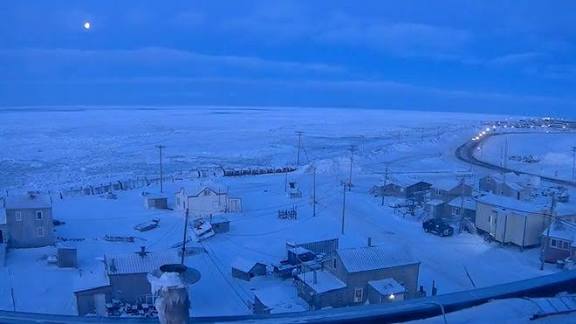
Every year the town of Utqiagvik in Alaska experiences one of the most extraordinary natural events on Earth. This remote Arctic community has seen its last sunset of the year and has now entered the period known as the long polar night. This means that the sun will not rise above the horizon for more than two months. The town will stay without direct sunlight until 22 January 2026. This annual event attracts global attention because it shows how life changes for people living close to the top of the world when the seasons shift in extreme ways.
Utqiagvik is located far above the Arctic Circle. Because of its geographical position, the Earth’s tilt affects the town more strongly than places found in warmer regions. The polar night happens when the northern part of the planet leans away from the sun during winter. As a result the sun stays below the horizon even at midday. Even though the sun has disappeared, the town is not in complete darkness for the whole day. There are moments of civil twilight when a soft blue light appears across the sky. This light comes from the sun which sits just below the horizon. It is similar to the light seen before sunrise or just after sunset in other parts of the world.
People in Utqiagvik have learned to adapt to this long season of darkness. The city streets are lit by lamps and buildings shine with artificial lights that help residents move safely. Many people continue their daily routines using bright indoor lighting and reflective equipment outdoors. Daily life does not stop. Children go to school, adults work, and the community continues with cultural activities. The long dark period can be challenging but the people are prepared because it happens every year. They rely on strong community support, winter traditions, and technology to stay active.
Scientifically, the polar night is a reminder of how the Earth’s movements shape climate and daylight across the globe. The Earth does not stand straight but leans slightly. During the winter season the Arctic tilts away from the sun and receives less light. This same tilt brings months of non stop daylight in summer when the sun does not set at all. These changes create a unique rhythm of life for communities in the Arctic. The experience is both demanding and fascinating for those who witness it.
The return of the sun is usually an emotional moment for the people of Utqiagvik. After weeks of twilight and darkness the first sunrise appears on 22 January 2026. Families gather to celebrate the new light and many locals describe the moment as a symbol of hope and renewal. It marks the beginning of brighter days and a gradual transition towards the Arctic spring.
The long polar night in Utqiagvik remains one of nature’s most impressive cycles. It demonstrates both the power of the Earth’s movement and the resilience of the people who live in the far north. Their ability to continue life normally during months without sunshine is a powerful example of human adaptation and strength.
Share this
- Click to share on Facebook (Opens in new window)
- Click to share on WhatsApp (Opens in new window)
- Click to share on Twitter (Opens in new window)
- Click to share on Threads (Opens in new window)
- Click to share on LinkedIn (Opens in new window)
- Click to share on Pinterest (Opens in new window)
- Click to email a link to a friend (Opens in new window)
Discover more from The HotJem
Subscribe to get the latest posts sent to your email.