How Didier Drogba Used Soccer To Stop A Civil War
|
Getting your Trinity Audio player ready...
|
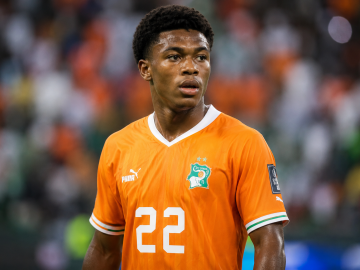
Didier Drogba is known all over the world for his success as a footballer. He played for Chelsea and became one of Africa’s greatest players. But there is another story about Drogba that goes beyond soccer. It is the story of how he helped stop a civil war in his home country, Ivory Coast. This story is not just about goals and trophies, but about peace, unity, and the power of one voice.
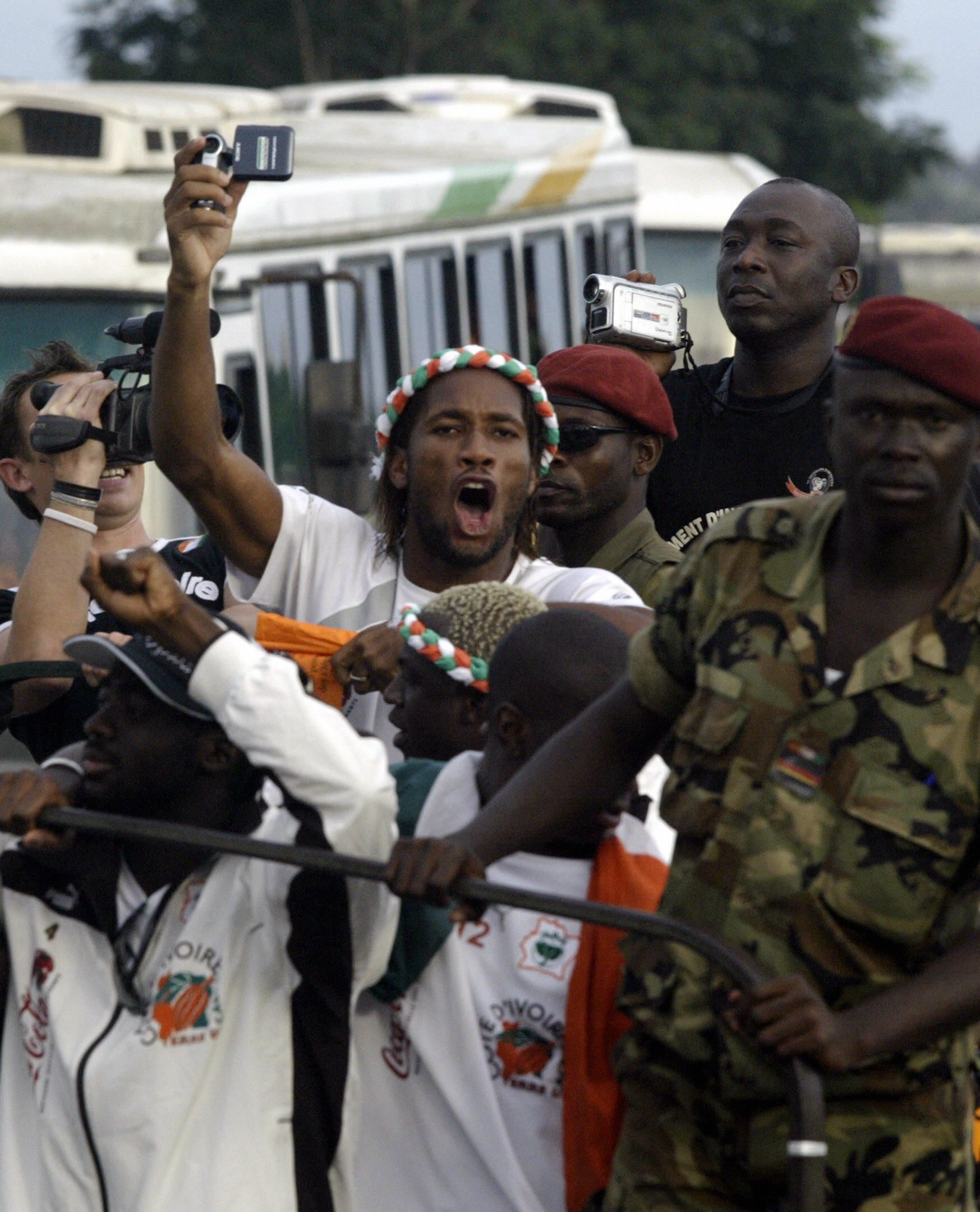
Ivory Coast was once one of the most stable and peaceful countries in West Africa. But in 2002, everything changed. A civil war broke out between the government in the south and rebels in the north. The country was divided. Many people were killed. Families were separated. Schools and businesses were closed. For years, the people of Ivory Coast lived in fear. The war continued with no clear solution.
Didier Drogba was born in Ivory Coast, though he spent much of his childhood in France. He never forgot his roots. Even as he became famous in Europe, he always represented his country with pride. In 2005, he was the captain of the national team, the Elephants. That year, Ivory Coast qualified for the FIFA World Cup for the first time in history. It was a big moment for the country. But it happened during one of its darkest times.
After the team beat Sudan 3–1 and secured their ticket to the 2006 World Cup, Drogba did something unexpected. As the cameras rolled in the dressing room, he got on his knees and made a heartfelt speech to the entire nation. Surrounded by his teammates, Drogba pleaded with the people of Ivory Coast to lay down their weapons and make peace.
These were some of his powerful words:
“Ivorians, from the north, south, centre and west, we proved today that all Ivorians can coexist and play together with a shared aim — to qualify for the World Cup. We promised you that the celebration would unite the people. Today, we beg you, on our knees…”
His teammates joined him, kneeling in their football kits, united as one voice. Drogba continued:
“The one country in Africa with so many riches must not descend into war like this. Please, lay down your weapons. Hold elections. Everything will be better.”
The video message was broadcast all over the country. It touched the hearts of millions. For once, Ivorians were not watching politicians or soldiers. They were watching their soccer heroes people they admired and respected asking for peace.
Surprisingly, something incredible happened. Not long after Drogba’s speech, the government and the rebel leaders agreed to a ceasefire. Talks for peace restarted. It wasn’t the end of the conflict immediately, but it was a major turning point. For the first time in years, there was hope. And Drogba didn’t stop there.
In 2007, he helped move a national team match to Bouaké, a city in the heart of the rebel-held territory. It was a brave and symbolic act. No major event had happened there during the war. By bringing the match to Bouaké, Drogba was showing that the country could come back together. The match was played in peace, with both sides of the conflict watching the game as one people. That day, there were no soldiers, no fighting, no fear just football and unity.
Drogba became more than a soccer star. He became a symbol of hope. In 2007, the war officially ended. Many believe that Drogba’s influence played a key role in making that happen. The United Nations even named him a Goodwill Ambassador in recognition of his efforts for peace.
Throughout his career, Drogba continued to use his voice for good. He built hospitals, supported education, and always looked for ways to improve life in Ivory Coast. But his greatest legacy will always be what he did when his country was breaking apart.
It is not often that a soccer player can help stop a war. But Didier Drogba did. Not with weapons or politics, but with words, humility, and courage. He reminded his people that they were stronger together. He proved that football can do more than entertain it can change lives.
Today, Drogba’s story is remembered not just in stadiums, but in history books. He showed the world that no matter where you come from, you can make a difference. His actions remain a powerful example of how sports and humanity can come together to heal a nation.
Share this
- Click to share on Facebook (Opens in new window)
- Click to share on WhatsApp (Opens in new window)
- Click to share on Twitter (Opens in new window)
- Click to share on Threads (Opens in new window)
- Click to share on LinkedIn (Opens in new window)
- Click to share on Pinterest (Opens in new window)
- Click to email a link to a friend (Opens in new window)
Discover more from The HotJem
Subscribe to get the latest posts sent to your email.