



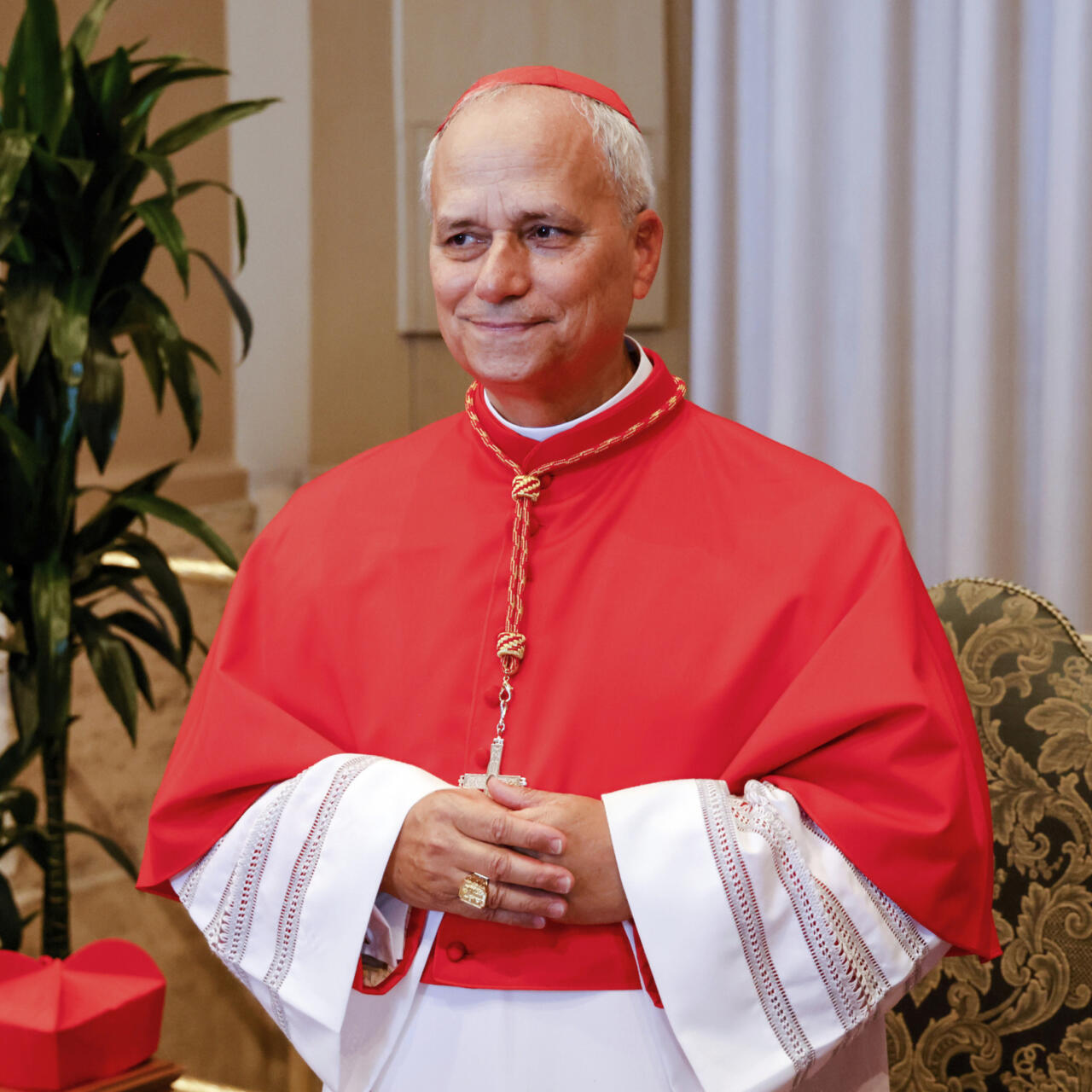
Pope Leo XIV Is Heading To Africa And This Visit Could Be Significant
The announcement of Pope Leo XIV’s upcoming Apostolic Journey to Africa is already shaping up to be one of the most significant moments for the Catholic Church in recent years. Scheduled from April 13 to April 23, 2026, the visit will take him across Algeria, Cameroon, Angola, and Equatorial Guinea, highlighting a broader message of unity, peace, and spiritual renewal across the continent.
The journey begins in Algiers, where the Pope is expected to set a tone of reflection and dialogue. His visit to the Martyrs Memorial will acknowledge Algeria’s history and sacrifices, while his meeting with President Abdelmadjid Tebboune signals the importance of cooperation between religious and political leadership. His presence at the Great Mosque of Algiers also stands out as a powerful symbol of interfaith understanding, reinforcing the idea that mutual respect between religions remains essential in today’s world.
From there, the Pope continues to Annaba, a city deeply tied to early Christian history. His visit to Hippo connects directly to the legacy of Saint Augustine, reminding many of Africa’s foundational role in the development of Christian thought. Celebrating Mass at the Basilica of Saint Augustine brings that history into the present, blending faith with heritage in a meaningful way.
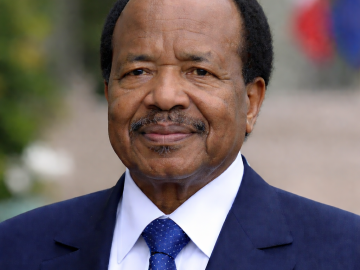
The journey then moves to Cameroon, where the focus expands to both spiritual and social engagement. In Yaoundé, the Pope’s meetings with national authorities and civil society are expected to center on unity, peace, and development. His visit to an orphanage highlights his continued attention to vulnerable communities, while his engagement with bishops reflects the importance of strengthening the Church from within.
In Bamenda, a region that has experienced tension in recent years, his presence carries a deeper message of reconciliation and hope. Celebrating Mass there is not just a religious moment but a symbolic step toward healing. In Douala, thousands are expected to gather for Mass, reflecting the strength of Catholic faith in the country, while his meeting with students at the Catholic University of Central Africa points to the role of young people in shaping the future.
The next phase of the journey takes him to Angola, beginning in Luanda. His meeting with President João Lourenço continues his engagement with national leadership, while his visit to Muxima, one of the country’s most important pilgrimage sites, brings a more spiritual dimension to the trip. Moments like these connect global leadership with local traditions of faith.
In Saurimo, the Pope’s visit highlights compassion and community, with stops at a nursing home and an open-air Mass that brings people together. His time with clergy and pastoral workers in Luanda also reinforces the importance of maintaining a strong and active Church presence within communities.
The final leg of the journey takes place in Equatorial Guinea, beginning in Malabo. His meetings with national leadership and cultural representatives reflect respect for local identity, while his visit to a psychiatric hospital brings attention to often overlooked groups in society. In Mongomo and Bata, his engagements continue with Mass celebrations, community visits, and a moment of prayer honoring victims of a past tragedy, adding an emotional depth to the trip.
As the journey concludes, Pope Leo XIV returns to Rome after a visit that goes far beyond ceremonial appearances. This Apostolic Journey reflects a broader vision of connection, where faith, culture, and leadership come together. Across each country, the message remains consistent, that unity, dialogue, and compassion are still powerful forces in shaping the future.
Discover more from The HotJem
Subscribe to get the latest posts sent to your email.