



The Newest Path To Canadian Citizenship And What It Means For The African Diaspora
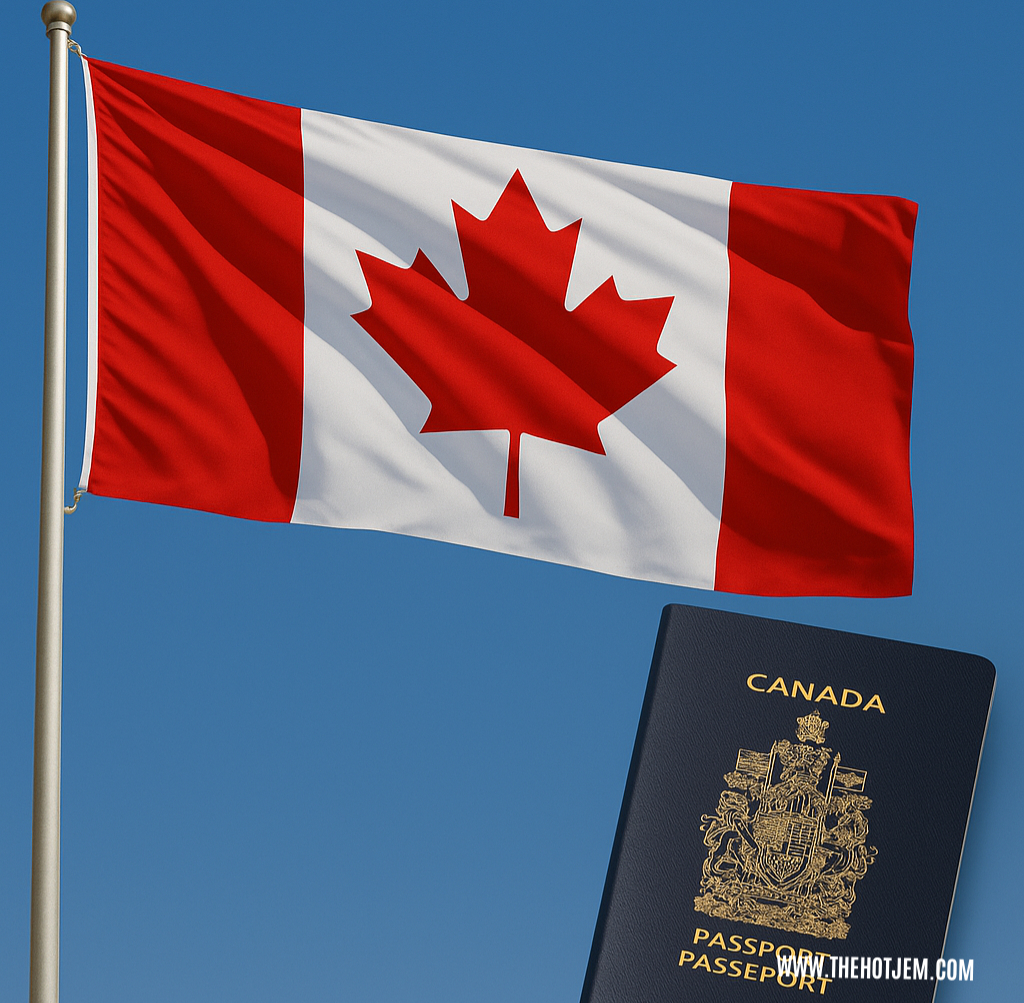
Canada recently made a major change that affects many people in the African diaspora more than they might think. For years, Canada used a rule called the first generation limit. It meant that if a Canadian citizen was born outside Canada, they could not pass citizenship to their own child if that child was also born abroad. Many global families, including African and Black families who move often, were blocked from claiming a citizenship that was part of their family history.
Bill C-3 changed this. The rule has been removed, and a person born outside Canada can now become a Canadian citizen by descent even if their parent was also born outside the country. This gives thousands of families a chance to reconnect with Canada in a way they were never allowed to before.
The law is also retroactive. This is a huge deal for diaspora families with long migration stories. If your parent or grandparent once had strong ties to Canada but you were denied citizenship because of the old rule, you may now qualify. Many people have waited years for this moment.
For future children, Canada added one important condition. A Canadian parent who was born abroad can pass citizenship to their child if they have lived in Canada for at least one thousand and ninety five days, which is about three years. This keeps citizenship meaningful while still welcoming global families.
The change has created a lot of attention because some well known Black public figures actually have clear Canadian roots. Examples include:
Drake, whose father is African American with family ties to Canada, Kyrie Irving, born in Australia to an American father who lived in Canada for a significant period, Sean Paul, the Jamaican artist with Canadian family connections on his mother’s side and Keegan Michael Key, an American actor with documented Canadian ancestry.
These examples show that many people, including Black families across the diaspora, have stronger Canadian roots than they realize.
But the real impact is on everyday people. Many African and Black diaspora families have ancestors who lived in Canada decades ago and believed that connection was gone forever. Bill C-3 opens that door again. It gives them access to new opportunities, a stronger sense of identity, and a legal link to a country that has been part of their story.
Canada is acknowledging that families today are global, and this update brings fairness back to its citizenship system. As applications begin, many people in the diaspora are now checking their family history to see if they qualify for something they never expected. A chance to officially call themselves Canadian through ancestry that has always been theirs.
If you or your family is thinking about whether you qualify under this new path to Canadian citizenship, you can visit the official Immigration, Refugees and Citizenship Canada website for full details.
Share this
- Click to share on Facebook (Opens in new window)
- Click to share on WhatsApp (Opens in new window)
- Click to share on Twitter (Opens in new window)
- Click to share on Threads (Opens in new window)
- Click to share on LinkedIn (Opens in new window)
- Click to share on Pinterest (Opens in new window)
- Click to email a link to a friend (Opens in new window)
Discover more from The HotJem
Subscribe to get the latest posts sent to your email.