



Why U.S. Immigration Policy Debates Matter To Africans In America
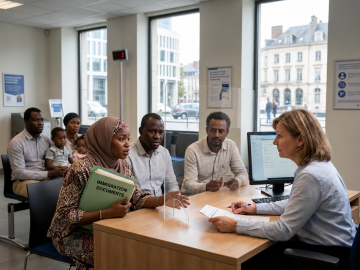
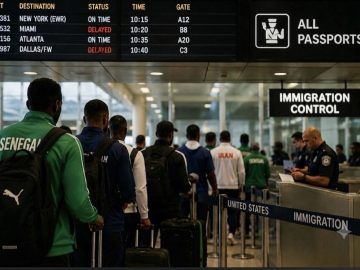
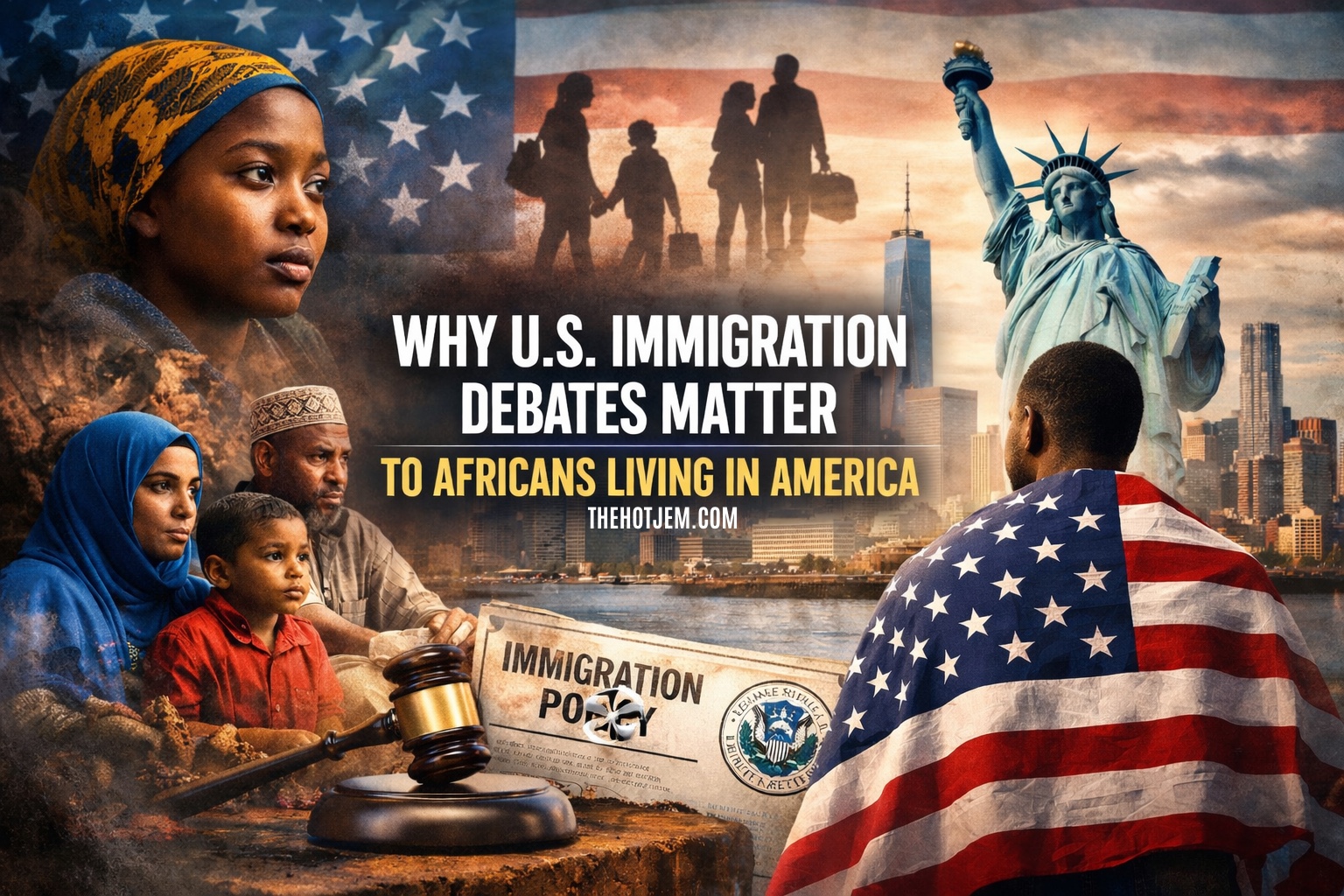
Immigration debates in the United States are often discussed as distant political arguments, but for Africans living in America they are deeply personal and very real. Recent reports of increased federal attention on specific immigrant communities, such as Somali Americans in Minnesota, have reminded many people in the African diaspora that immigration policy is not only about borders. It is about identity, belonging, safety, and the future of families who have built their lives in the United States over many years.
For many Africans in America, communities like the Somali population in Minnesota represent success stories of migration. These are people who arrived as refugees, students, or workers, and over time became citizens, professionals, business owners, and political voices. When national leaders or federal agencies focus strong scrutiny on one community, it sends a message that goes far beyond that single group. Other African communities start to wonder if they could be next, even when they are law abiding and fully integrated into American society.
This is why U.S. immigration policy debates matter so much to Africans in America. Policies are often written in general language, but they are enforced in specific neighborhoods and against real people. When enforcement becomes aggressive or politically charged, entire communities feel targeted. Even citizens and permanent residents can feel unsafe or unwelcome when public discussions frame immigrants as problems rather than contributors.
Another important reason these debates matter is the strong connection Africans in America have with their home countries. Many support family members through remittances, invest in small businesses back home, or travel frequently for family and cultural reasons. Changes in immigration policy or increased scrutiny can affect bank transfers, travel freedom, and even the ability to invite relatives for visits or education. What seems like a technical policy decision in Washington can disrupt family life across continents.
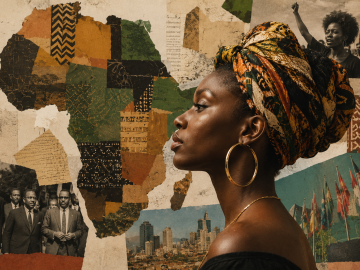
The situation also exposes how race and religion often influence immigration debates. African immigrants are not only seen as foreigners but are sometimes judged through stereotypes linked to skin color, faith, or country of origin. When one African community is publicly questioned or investigated, it risks reinforcing harmful narratives about all Africans in America. This affects how they are treated in workplaces, schools, and public spaces.
For younger Africans born or raised in the United States, these debates shape their sense of belonging. Many of them see America as their only home. When immigration discussions suggest that people who look like them or come from certain backgrounds are always under suspicion, it creates fear and emotional distance from the country they call home. This can affect confidence, civic participation, and trust in public institutions.
These debates also matter politically. Africans in America are a growing and influential group in U.S. cities. Policies that appear unfair or targeted often push communities to organize, vote, and speak out. What happens in places like Minnesota can influence how African Americans and African immigrants engage with national politics and demand accountability from leaders.
In a broader sense, U.S. immigration debates matter to Africans in America because they raise real questions about how secure their place in society is and how quickly that sense of security can change. Immigration is not only about who enters the country but about who is fully accepted once they arrive. The attention on Somali Americans shows how quickly the conversation can shift and how important it is for the African diaspora to stay informed, united, and engaged.
For Africans in America, immigration debates are not just news headlines. They are signals about opportunity, dignity, and the future. Understanding and responding to these debates is essential for protecting communities today and shaping a more fair and inclusive society tomorrow.
Share this
- Click to share on Facebook (Opens in new window)
- Click to share on WhatsApp (Opens in new window)
- Click to share on Twitter (Opens in new window)
- Click to share on Threads (Opens in new window)
- Click to share on LinkedIn (Opens in new window)
- Click to share on Pinterest (Opens in new window)
- Click to email a link to a friend (Opens in new window)
Discover more from The HotJem
Subscribe to get the latest posts sent to your email.