The Middle East Conflict Is Escalating And Here Is Why It Matters Beyond The Region
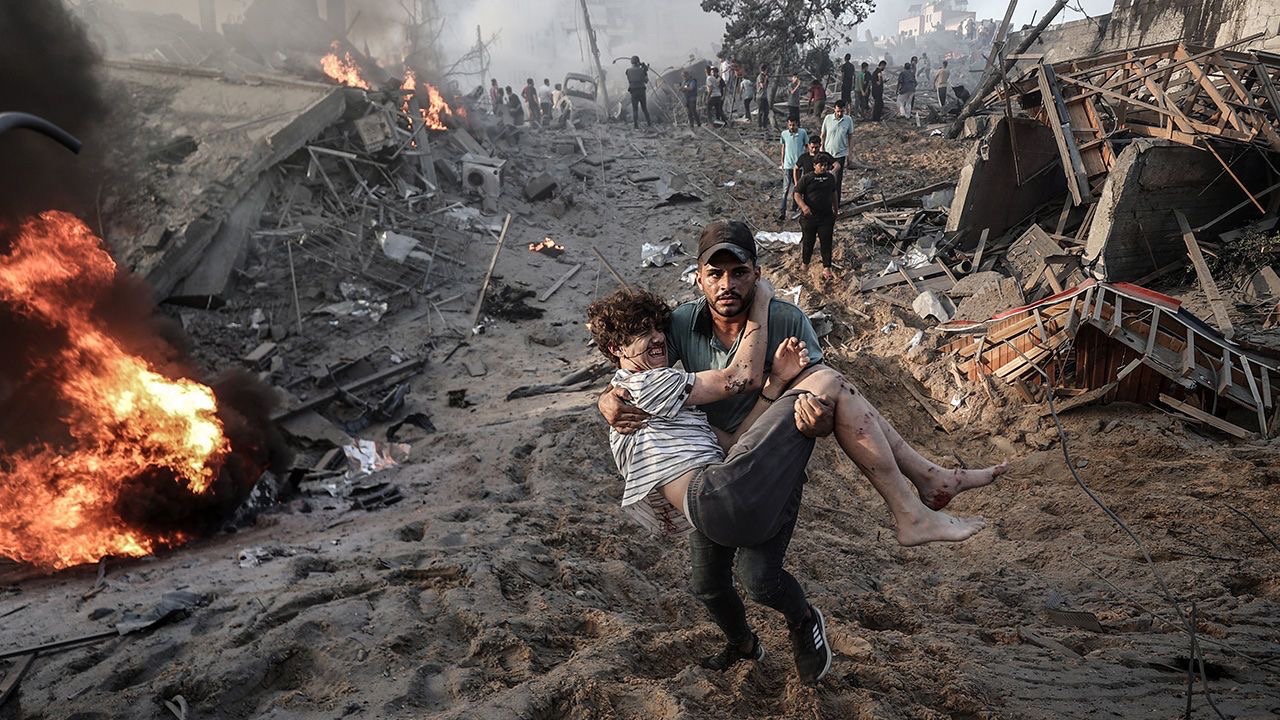
The Middle East is going through one of its most tense periods in years. Since late February 2026, airstrikes, missile launches, and drone attacks have spread across several countries. What started as targeted military action quickly expanded into a wider confrontation involving Iran, Israel, and parts of the Gulf region. The situation is moving fast, and millions of civilians are living with uncertainty.
The escalation began when large airstrikes hit military targets inside Iran. These strikes focused on bases, missile facilities, and command centers. Iranian officials reported heavy casualties and damage to infrastructure. It was clear that this was not a small warning but a serious military move.
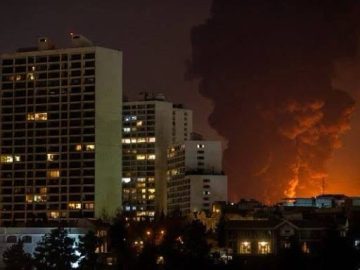
Iran responded with missile and drone attacks aimed at Israel and locations linked to Western allies in the region. While many were intercepted, some caused damage near residential areas and airports. Air defenses have been active across several countries, and civilians are dealing with sirens, flight disruptions, and constant alerts.
The conflict widened further when Hezbollah launched rockets from Lebanon into northern Israel, triggering retaliation. When multiple countries and armed groups become involved, the risk of long term instability increases quickly.
Beyond the region, the global impact is already visible. Military activity around the Strait of Hormuz has raised concerns about oil supply. This shipping route is critical for global energy markets, and any disruption affects fuel prices worldwide. Airlines have rerouted flights, and financial markets are reacting to the uncertainty.
The United States has also been involved, supporting early strikes and responding to attacks on bases hosting American forces. This has intensified political debate about how far global powers should go in direct confrontations.
For everyday people, the impact is not about military strategy. It is about safety, stability, and cost of living. Families are being displaced. Infrastructure is damaged. Access to food, electricity, and medicine is strained in some areas.
For the African diaspora and global Black community, this matters more than many realize. Energy prices influence transportation and food costs everywhere. Global market shifts affect investments and retirement funds. Millions of Africans work in Gulf countries, and instability in the region can impact jobs and remittances that support families back home.
This is not just another headline. It is a regional crisis with global consequences. While diplomatic efforts are ongoing, tensions remain high. The coming weeks will determine whether the conflict slows down or deepens further.
Share this
- Click to share on Facebook (Opens in new window)
- Click to share on WhatsApp (Opens in new window)
- Click to share on Twitter (Opens in new window)
- Click to share on Threads (Opens in new window)
- Click to share on LinkedIn (Opens in new window)
- Click to share on Pinterest (Opens in new window)
- Click to email a link to a friend (Opens in new window)
Discover more from The HotJem
Subscribe to get the latest posts sent to your email.