


City Life And Village Life In Africa Are Two Different World
Living in a big African city and living in a rural village can feel like two completely different experiences. The pace of life, the opportunities people have, the way communities interact, and even the daily struggles can look very different depending on where someone lives.
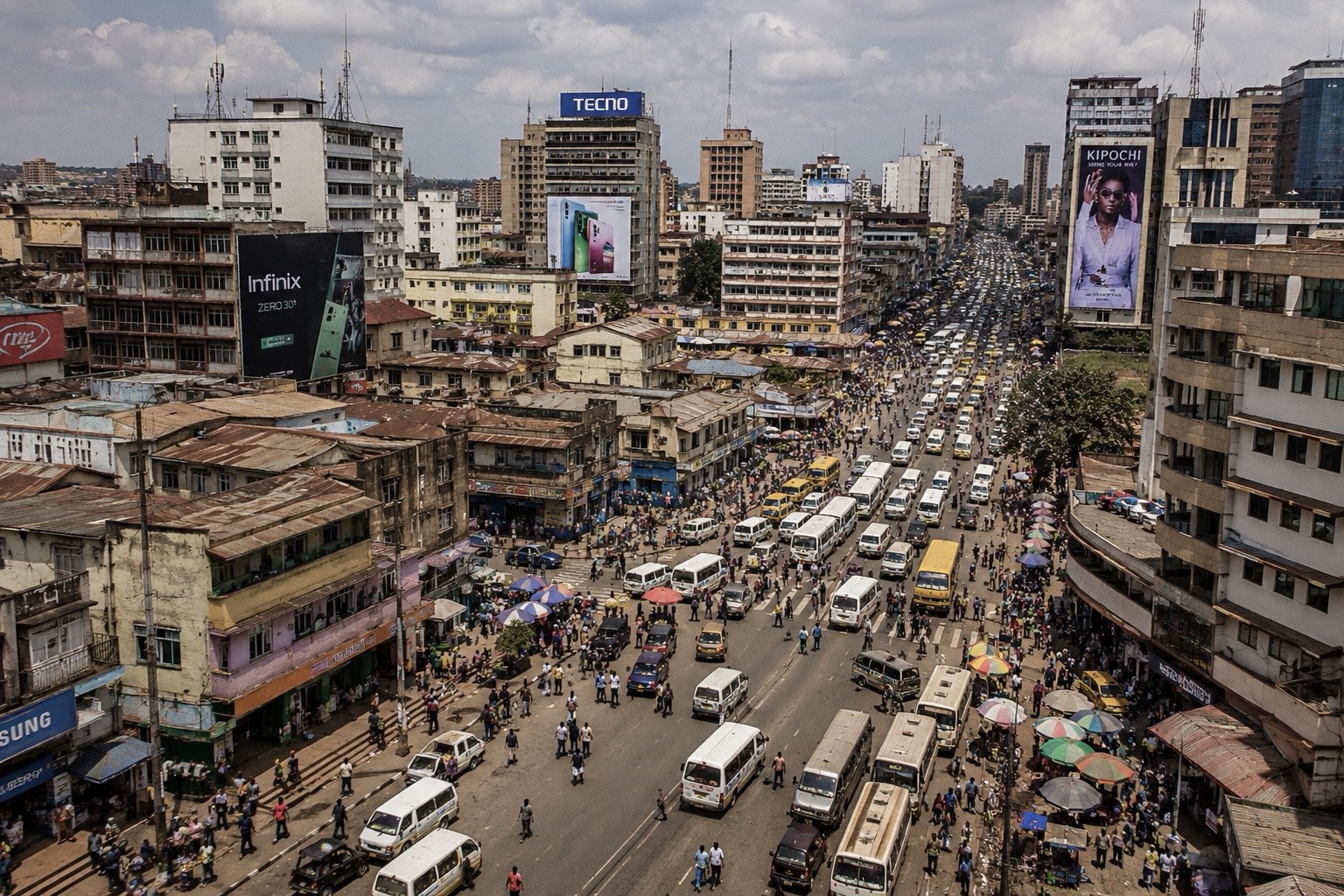
In many African cities today, life moves very fast. People wake up early, deal with traffic, rush to work, run businesses, attend school, and spend most of their day trying to keep up with the pressure of city life. Cities usually offer more job opportunities, better internet access, bigger schools, hospitals, nightlife, and exposure to technology. That is one of the biggest reasons many young Africans move to cities because they believe there are more opportunities there.
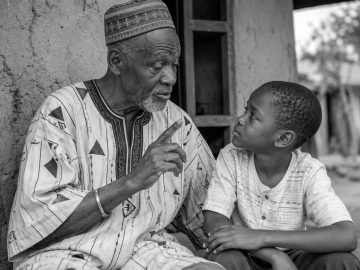
Rural life is usually much slower and more connected to community and tradition. In many villages, people still depend heavily on farming, fishing, and small businesses to survive. Families know each other closely, neighbors interact more often, and traditions are usually preserved more strongly than in cities. Life may be quieter, but it also comes with challenges many city people do not think about daily.
For example, in some rural communities, people still travel long distances to get clean water, attend school, or reach a healthcare center. Electricity and internet access may not always be stable, and job opportunities are usually more limited compared to cities. This is one reason many younger people eventually leave rural areas hoping for better opportunities in urban spaces.
At the same time, city life is not always as glamorous as social media makes it look 😭 A lot of people living in major African cities are dealing with high living costs, unemployment, traffic, stress, overcrowding, and pressure to survive. Many people move to cities expecting an easier life only to realize how competitive and exhausting urban life can become.
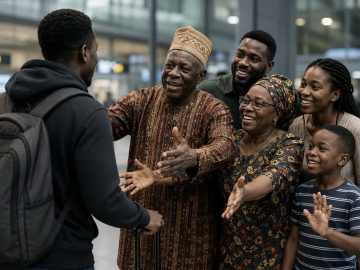
Even with all their differences, both worlds still depend on each other. Cities rely heavily on rural areas for food and natural resources, while rural communities depend on cities for business, education, healthcare, and development opportunities. Many Africans also move between both lifestyles throughout their lives, especially during holidays, family events, or major life changes.
As Africa continues developing, more people are moving toward urban areas every year. But rural communities still remain an important part of African identity, culture, and daily life. In many ways, the story of Africa today is really about these two worlds trying to grow together while still holding onto what makes each one unique.
Discover more from The HotJem
Subscribe to get the latest posts sent to your email.