



Africans Dragging Africans While Living Abroad Is Hard To Ignore Now
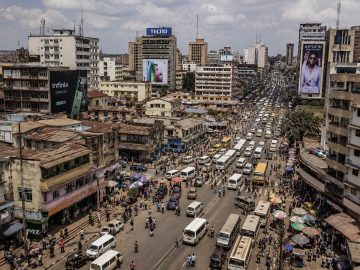
There’s something about watching Africans tell other Africans to “go back home” that just doesn’t sit right, especially when you remember that there was a time when the continent showed up for South Africa in a very real way. Countries opened their doors, supported liberation movements, and stood together against apartheid because it wasn’t just South Africa’s fight, it was seen as everybody’s fight.
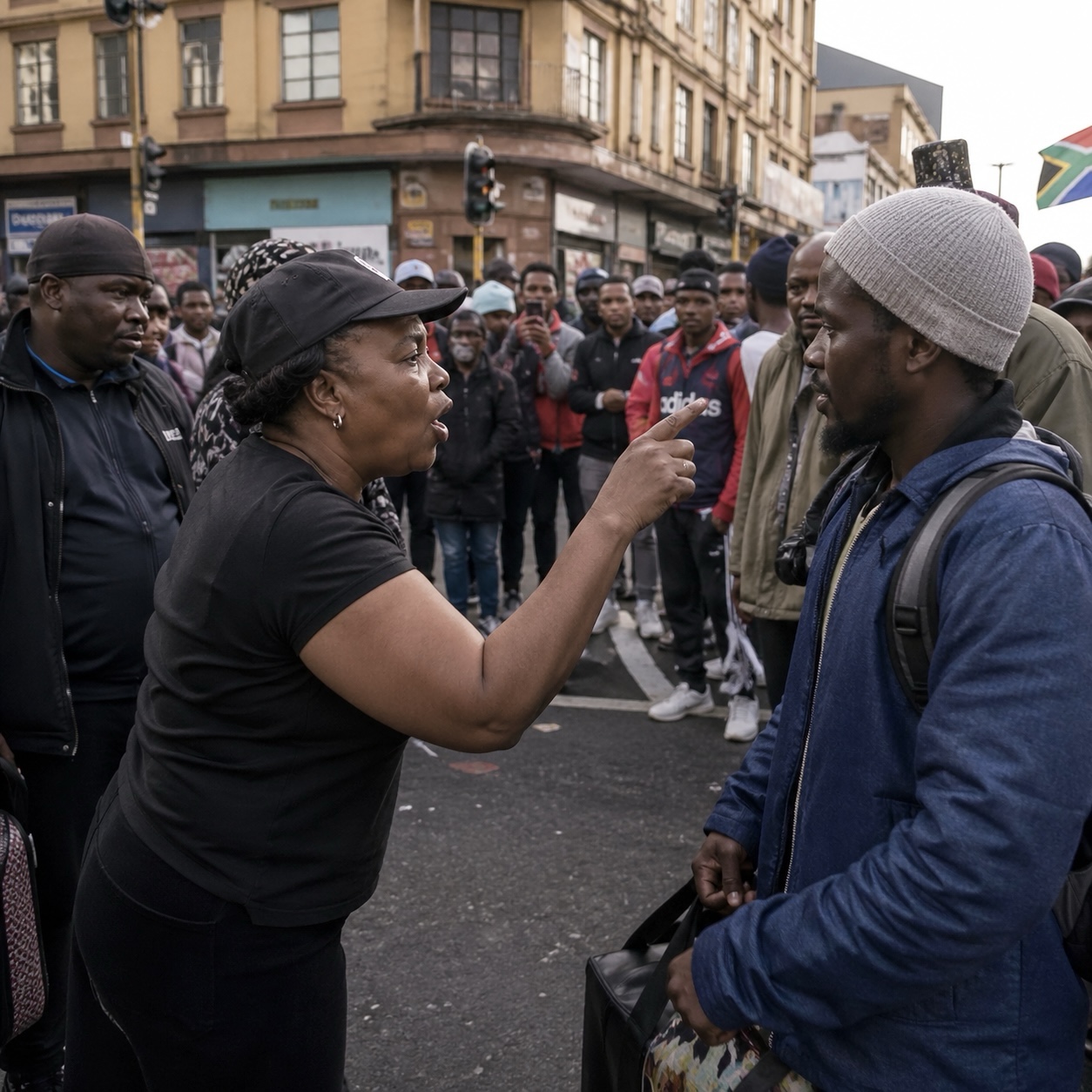
Fast forward to now and the reality feels very different. Tensions are rising again, migrants are being confronted, blamed, and in some cases harassed, and the conversations online are getting louder by the day. On the surface, it feels like pure irony, but if you look a little deeper, it’s less about irony and more about pressure boiling over.
South Africa is dealing with serious economic strain, high unemployment, and deep inequality, and when people feel stuck, frustrated, and ignored, they start looking for someone to hold responsible. Foreign nationals become the easiest target because they are visible, they are different enough to be singled out, and they are already navigating life from the margins.
That doesn’t make it right, but it does explain why this pattern keeps repeating. This situation feels different because of what it reveals about the African diaspora as a whole.
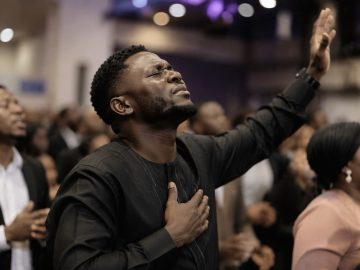
Because if we’re honest, this tension isn’t limited to South Africa. It just happens to be more visible there right now. The same subtle divisions show up in diaspora communities across the US, the UK, and Europe, just in quieter ways. People group themselves by nationality, judge each other based on accents, distance themselves from certain stereotypes, and sometimes even compete over who represents “Africa” better.
So while we love the idea of African unity, the reality is that unity often works best when it’s symbolic. It sounds good, it looks good online, and it feels good during cultural moments, but when real-life pressure enters the picture, whether it’s jobs, money, status, or survival, those lines between us become very clear very quickly.
That’s why what’s happening right now feels uncomfortable. It’s not just about South Africa turning on other Africans. It’s about a bigger truth that a lot of people don’t like to admit, which is that shared identity doesn’t automatically mean shared loyalty or shared struggle.
For Africans abroad, this is the part that requires real reflection. It’s easy to criticize what’s happening from a distance, especially when you’re living in environments where systems work a bit better and opportunities feel more accessible. But the same mindset that allows people to exclude others can show up anywhere, just in different forms.
At the end of the day, this moment is forcing a question that goes beyond one country. If unity only exists when it’s convenient, cultural, or aesthetic, then what exactly are we protecting when things get hard? Because that’s when it actually matters.
Discover more from The HotJem
Subscribe to get the latest posts sent to your email.