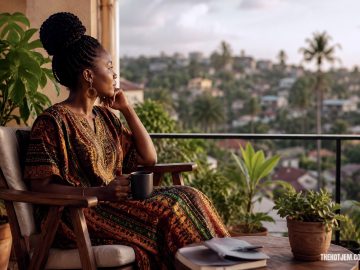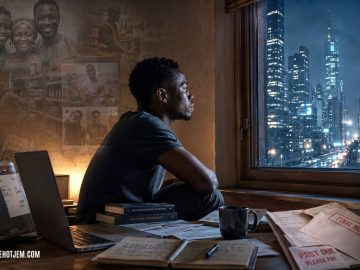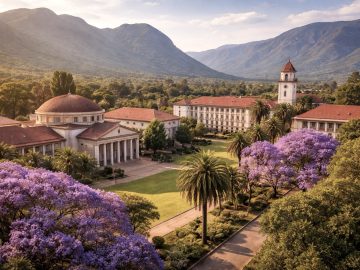


For many Africans living abroad, the meaning of home has changed over the years. It is no longer only about the village you were born in or the city you left behind. For a growing number of people in the diaspora, home has become tied to identity, opportunity, peace, belonging, and connection. In the middle of that shift, Rwanda has become one of the most talked about countries in conversations surrounding returning to Africa and reconnecting with the continent.
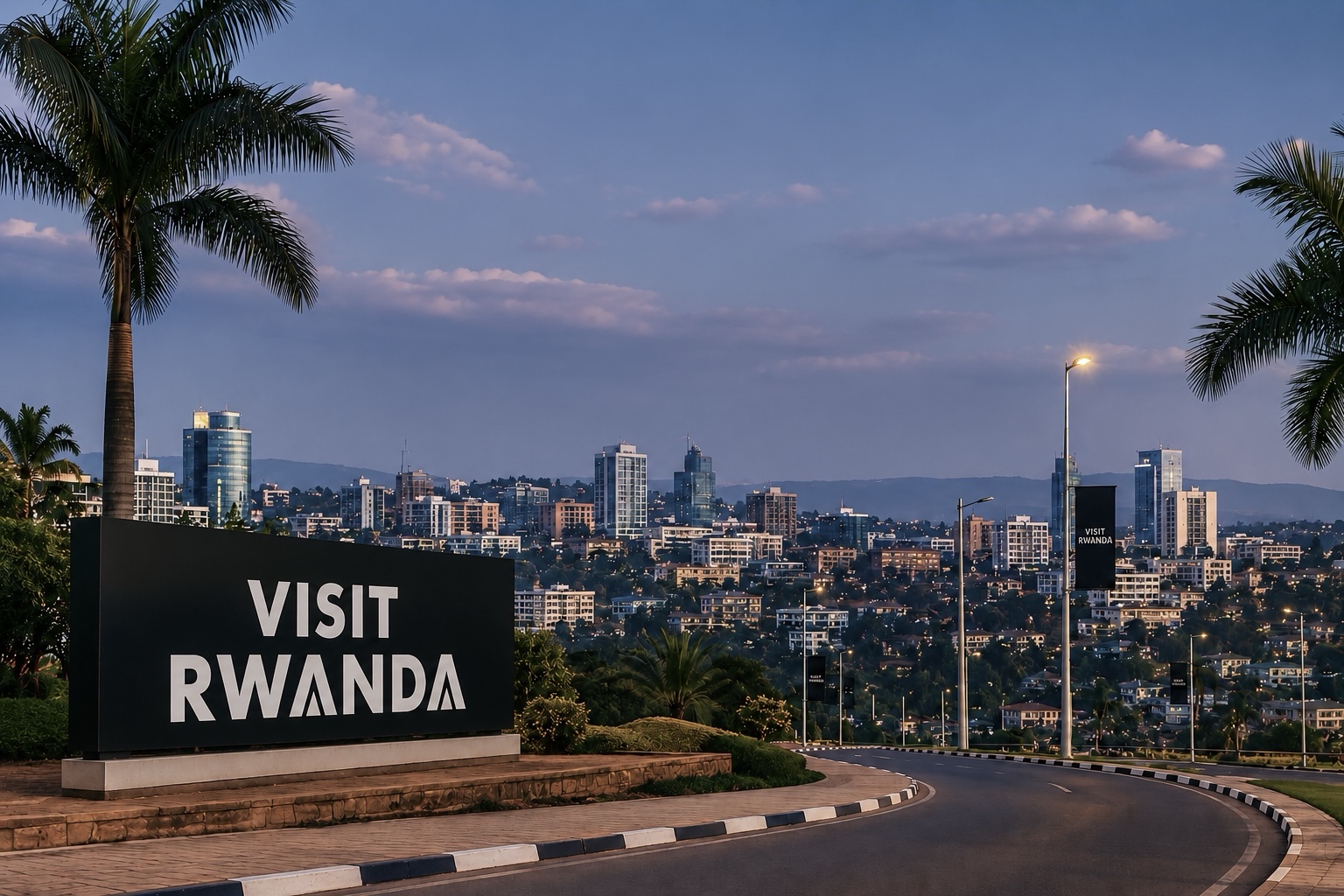
Through the Visit Rwanda campaign, the country has built one of the strongest modern images in Africa. Kigali is constantly praised online for its cleanliness, structure, safety, organization, and fast digital growth. From luxury tourism campaigns to global partnerships and international conferences, Rwanda has positioned itself as polished, intentional, and globally aware. For many Africans abroad who have spent years living in Europe or North America, that image feels familiar in a way that immediately catches attention and sparks curiosity.
A growing number of diasporans want to reconnect with Africa, but they also want comfort, infrastructure, security, and ease. Rwanda appears to understand that psychology very well. The country offers an experience that still feels African while also feeling internationally aligned. That balance is part of what makes the branding so effective and why the conversation around Rwanda keeps growing online.
At the same time, this discussion goes far beyond tourism and social media aesthetics. Rwanda has also built a powerful story around reinvention and recovery. After experiencing one of the darkest tragedies in modern African history, the country rebuilt itself with discipline, long term planning, and strong national branding. For many Africans abroad, especially younger professionals and creatives, that transformation represents something emotionally bigger than travel content or influencer trips. It represents pride and presents an African country that appears determined to control its own image instead of constantly allowing outsiders to define it.
That emotional connection matters more than many people realize because Africa still struggles heavily with stereotypes in global media. Rwanda’s rise has created a different kind of conversation and has given many Africans abroad a country they can proudly point to as an example of ambition, organization, and visible progress. The country’s image has slowly become part of a bigger discussion about what modern Africa could look like in the future if nations begin investing more intentionally in perception, infrastructure, and long term planning.
Still, not everyone fully agrees with the narrative being presented. Some Africans believe Rwanda’s image feels heavily curated for international audiences. The luxury branding, clean aesthetics, football sponsorships, influencer marketing, and polished visuals sometimes create a version of Africa that feels overly controlled and carefully packaged. Africa is also noise, nightlife, crowded markets, street food, humor, music, resilience, chaos, and raw cultural energy. Critics argue that when one country becomes the face of “modern Africa,” the continent’s diversity can start feeling reduced to a single carefully managed image designed mainly for outsiders.
That is where comparisons with countries like Ghana and Nigeria become especially interesting. Ghana created global emotional momentum through the Year of Return campaign by reconnecting descendants of enslaved Africans with history and identity. Nigeria continues dominating global culture through music, film, fashion, comedy, and internet culture. Those countries often feel emotionally loud, expressive, layered, and culturally explosive. Rwanda, on the other hand, feels more measured, strategic, and structured in the way it presents itself to the world. Neither approach is necessarily wrong because they simply represent different ideas of what reconnecting with Africa looks and feels like for people abroad.
There is also another layer to this conversation that many people discuss privately online but rarely say openly in public. As African countries continue marketing themselves globally, some people worry that parts of the diaspora experience are becoming too curated and too elite. Luxury hotels, expensive restaurants, influencer events, exclusive resorts, and polished tourism campaigns can sometimes create an Africa that feels disconnected from the realities of ordinary Africans living everyday life on the continent. Some people fear Africa could slowly start becoming more of a lifestyle product than a lived experience, while others argue that modern branding is necessary because perception shapes tourism, business, investment, and global influence.
Rwanda understood early that image matters in today’s world, and instead of waiting for international media to shape its story, the country decided to shape its own narrative aggressively and intentionally. Whether people agree with every part of that strategy or not, it is difficult to deny that it has worked. Rwanda has managed to position itself as one of the most recognizable and talked about African brands internationally, and that alone has forced many other African countries to rethink how they market themselves globally.
At the same time, the bigger issue may not even be whether Rwanda should become the “front door” for the diaspora. The real question may be whether Africa can turn diaspora reconnection into a shared continental movement instead of an unspoken competition between countries. Ideally, someone visits Kigali and later feels inspired to experience Accra, Lagos, Nairobi, Dakar, Johannesburg, Addis Ababa, and other cities across the continent. The real win should not belong to one country alone because the bigger opportunity lies in getting more Africans abroad emotionally and economically reconnected to Africa as a whole.
Rwanda may currently be building one of the strongest global images on the continent, but the African diaspora is not searching for perfection. Most people are searching for connection, identity, culture, opportunity, and a sense of belonging that many have struggled to find abroad. If Visit Rwanda eventually evolves into something bigger than tourism and becomes part of a wider African reconnection movement, then this moment could become larger than branding itself. It could mark the beginning of a new era where Africa actively invites its global children home with confidence, pride, ambition, and intention while still embracing the diversity that makes the continent impossible to reduce to one single story.
Discover more from The HotJem
Subscribe to get the latest posts sent to your email.