


Tanzania Faces Its Most Troubled Political Moment
Tanzania is living through a very tense and painful period, and many people across Africa and the world are still trying to understand how the situation became so serious. Everything began with the national election that took place near the end of the year, an election that was supposed to bring clarity and stability but instead opened a deep wound in the country. President Samia Suluhu Hassan was announced as the winner with almost the entire percentage of votes. This happened while two major opposition leaders were not allowed to compete. Many citizens immediately felt that the vote did not reflect the true will of the people. The result created suspicion and anger in several communities. People who were expecting a fair choice suddenly felt powerless and unheard.
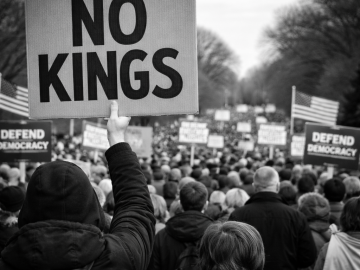
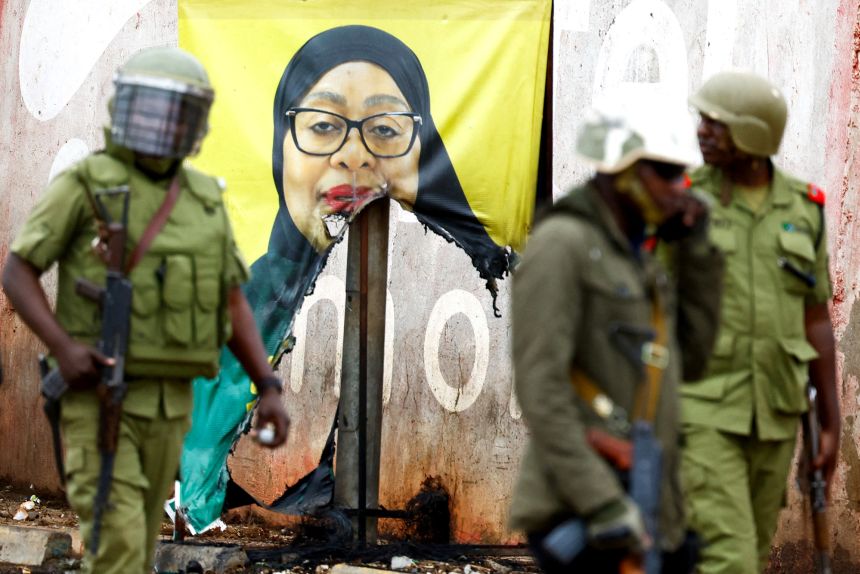
The tension rose quickly. Crowds started gathering in the streets of Dar es Salaam and in many other regions. They were not violent crowds. They were simply people demanding honesty, demanding answers, and hoping their voices could change something. Within a short time, the peaceful gatherings turned into a scene of confusion. Security forces appeared and used tear gas and live ammunition to push people away. Witnesses said the sound of gunshots echoed through neighbourhoods and people ran in fear. The internet was cut across the nation. Families tried calling their relatives and could not reach them. Videos and messages stopped flowing. It became almost impossible for people to share evidence or even know which parts of the country were still safe.
As the protests continued, the situation grew darker. Human rights groups started collecting stories from frightened families. Many were looking for missing brothers, sisters, friends, or neighbours who had been present during the protests and never returned home. A coalition of several civil society organisations released a statement saying that the number of deaths could be in the thousands. While these reports could not be fully confirmed, even the smallest verified figures were disturbing. The United Nations confirmed deaths during the protests and expressed deep concern. There were reports of bodies being hidden and medical centres being placed under tight security so that no one could identify victims. These stories travelled fast and created more fear in ordinary families who did not know what might happen next.
The government responded by arresting many opposition supporters and leaders. Some were charged with treason. This is a very heavy charge in Tanzania because it can carry the death sentence. Among those arrested were well known figures who had spent years fighting for political freedom. Their arrests created more anger and confusion among their supporters. Many people felt that instead of solving the tension through dialogue, the authorities had chosen a path that increased fear. Homes were raided. Offices were blocked. People were warned not to share videos or speak openly about the events. A simple message on social media could bring trouble.
International voices began to speak clearly about the crisis. The Catholic Church in Tanzania condemned the killings and insisted on respect for human life. Human rights organisations accused the authorities of using extreme force and suppressing civil rights. The European Parliament demanded investigations and asked for the protection of citizens. Analysts from respected newspapers wrote that this was a painful moment for a nation that had once been known for peace and stability. Many experts said that the leadership of President Hassan, which had started with a promise of moderation, now seemed to be taking an authoritarian direction.
Across the country, the atmosphere remains heavy. Many households are mourning. Many others are searching for loved ones who disappeared during the protests. People speak quietly in public spaces because they are afraid that someone may report them. Streets that once were busy at night are now silent because of the curfew and the presence of security forces. The political opposition continues to insist that the country is facing a collapse of democratic principles. The government continues saying it is maintaining order. Between these two positions lies a population filled with worry and uncertainty.
Tanzania is now standing at a crossroads. The coming months will decide whether the country moves toward dialogue and healing or deeper unrest and fear. What is happening there is not just a political dispute. It is a struggle for identity, for trust, and for the right of citizens to shape their own future. The rest of the world watches closely and hopes that the nation will emerge from this troubled moment with strength and dignity.
Share this
- Click to share on Facebook (Opens in new window)
- Click to share on WhatsApp (Opens in new window)
- Click to share on Twitter (Opens in new window)
- Click to share on Threads (Opens in new window)
- Click to share on LinkedIn (Opens in new window)
- Click to share on Pinterest (Opens in new window)
- Click to email a link to a friend (Opens in new window)
Discover more from The HotJem
Subscribe to get the latest posts sent to your email.