




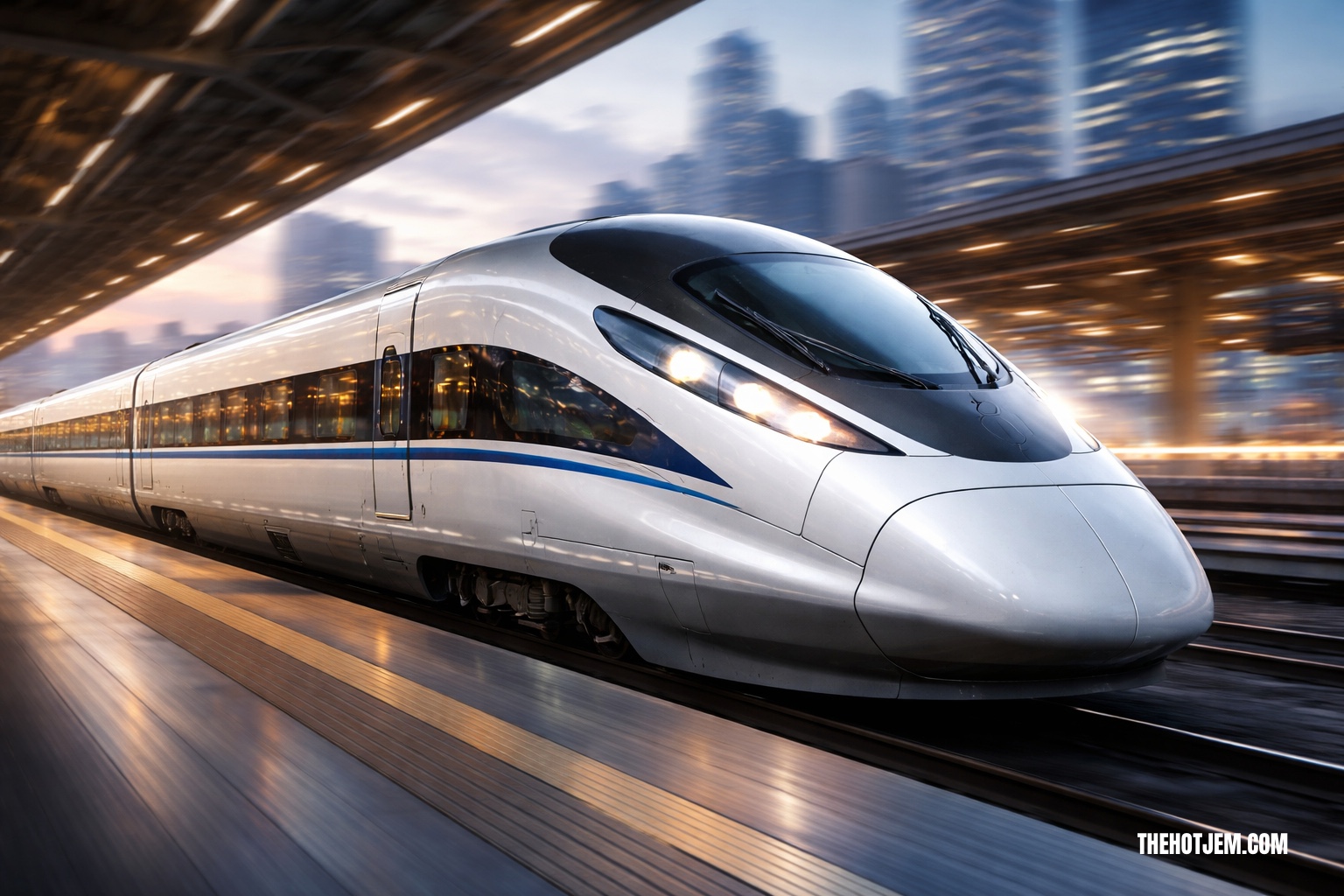
China Is Building A High Speed Train Tunnel Under A River And People Are Talking
China is once again pushing the limits of modern infrastructure with the construction of an 8.7-mile (14 kilometer) underwater high speed rail tunnel beneath the Yangtze River, and while it may sound like just another engineering project, it actually reflects how aggressively the country is investing in speed, efficiency, and long term economic growth.
Over the years, China has built the largest high speed rail network in the world, connecting major cities in a way that has completely transformed how people move, work, and do business, but as the network expands, new challenges continue to come up, especially when it comes to crossing massive and heavily used waterways like the Yangtze River, which carries constant ship traffic and plays a central role in the country’s economy.
Instead of building more bridges that could interfere with shipping routes, engineers have taken a different approach by going beneath the river, allowing high speed trains to pass underground while cargo ships continue moving freely above, which creates a system where both forms of transport can operate at full capacity without slowing each other down.
The tunnel is part of a larger connection between Chongming Island and Taicang, and once completed, it is expected to significantly reduce travel time while strengthening economic links between coastal cities and inland regions, making movement across this part of China faster, smoother, and more reliable.
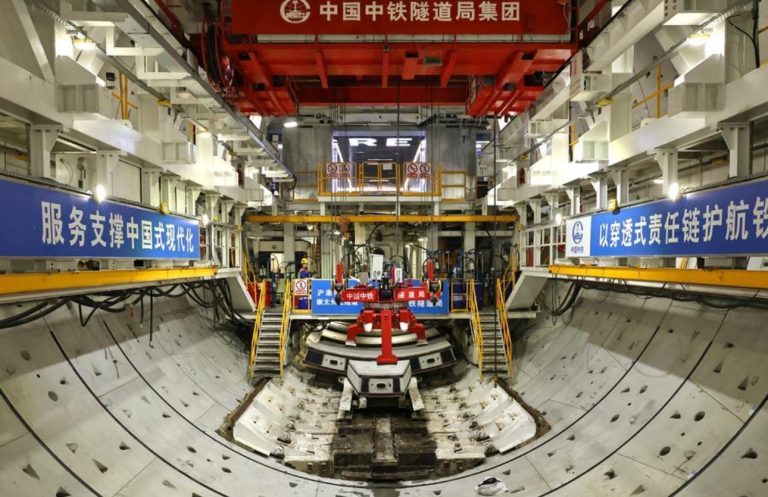
The full structure stretches about 8.85 miles (14.25 kilometers), with more than 6.8 miles (11 kilometers) running directly under the river, and this underwater section was the most complex part of the project because engineers had to work deep below the surface while dealing with strong water pressure and unstable ground conditions.
To make this possible, a specialized tunnel boring machine known as Linghang was used, and this machine was designed specifically to handle extreme conditions, operating at great depths while maintaining stability as it cuts through layers of soil and rock, which played a major role in completing the underwater section safely.
Once operational, high speed trains will be able to move through the tunnel at speeds of up to 217 miles per hour (350 kilometers per hour), allowing passengers to cross beneath the river in minutes without slowing down, while also improving connections to major cities like Hefei and boosting business activity, tourism, and daily commuting.
For many people watching from outside China, especially across parts of Africa and within the diaspora, projects like this highlight how far some countries are pushing infrastructure, while others are still dealing with basic transport challenges, which makes developments like this both impressive and thought provoking at the same time.
Beyond the engineering, what stands out is the long term impact, because faster and more efficient transport systems do not just make travel easier, they shape how economies grow, how cities expand, and how people access opportunities, which is why projects like this go far beyond convenience.
As work continues toward completion, the tunnel stands as a clear example of how innovation is reshaping the future of movement, showing that even natural barriers like major rivers are no longer limits, but challenges that can be engineered around with enough investment and ambition.
Discover more from The HotJem
Subscribe to get the latest posts sent to your email.