



Why Cash Still Matters In Many Parts Of Africa Despite The Rise Of Digital Payments
Across Africa, paying with a phone has become easier than ever. Mobile money, banking apps and online transfers are now part of everyday life in many countries. From buying groceries to sending money to family members, digital payments are changing how people manage their finances.
Yet cash is far from disappearing. In many parts of Africa, it remains the most common way to pay for goods and services. While digital payments continue to grow, cash is still the backbone of daily life for millions of people.
One of the biggest reasons is access. Many Africans still do not have bank accounts, especially in rural communities where bank branches are few and far between. Internet connections can also be unreliable, and not everyone owns a smartphone or feels comfortable using banking apps. For many people, cash is not just convenient. It is the only realistic option.
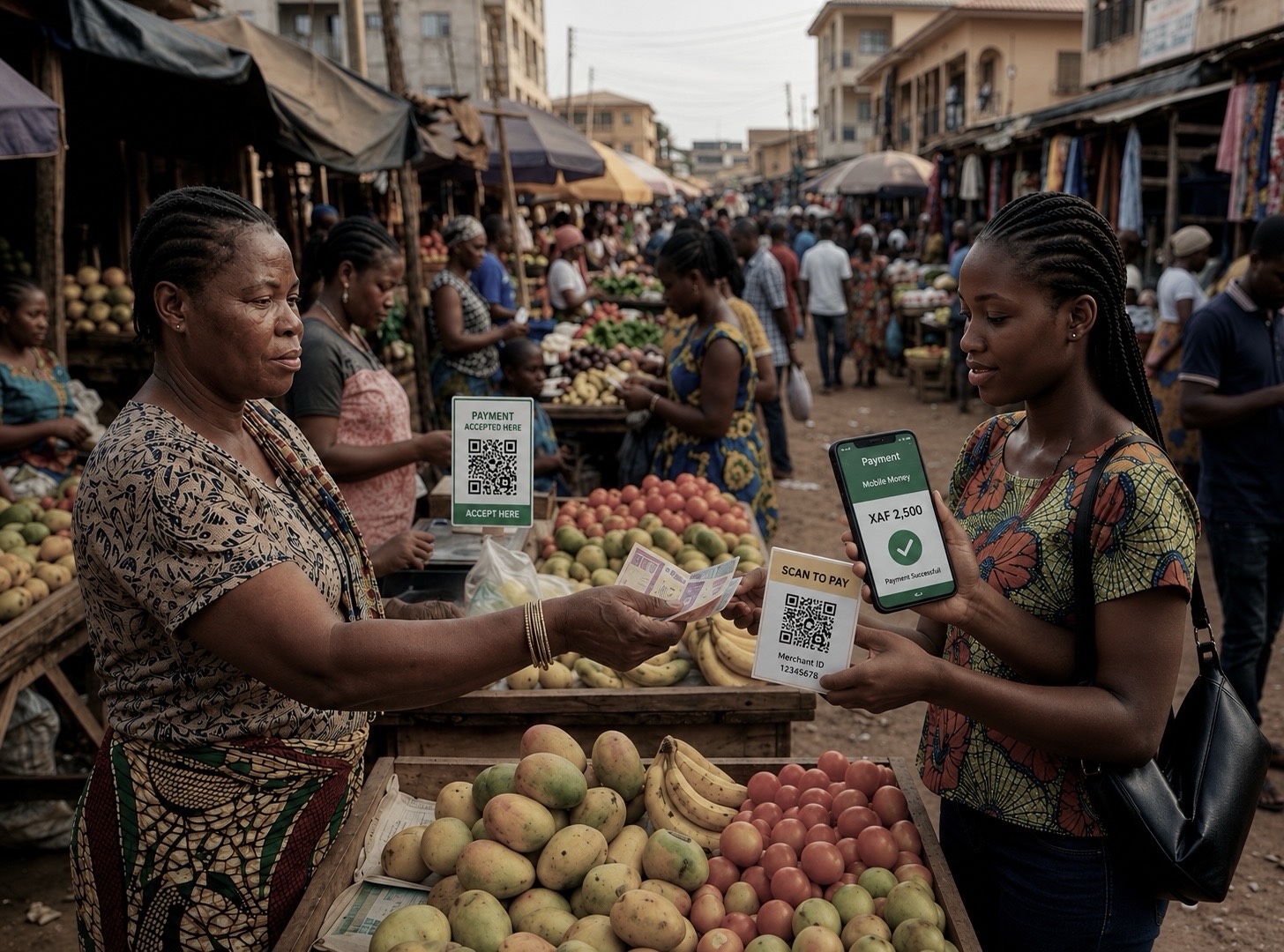
The informal economy is another major reason cash remains king. Street vendors, market traders, taxi drivers and small business owners often prefer cash because transactions are quick and straightforward. There are no network problems to worry about, no transfer delays and usually no extra transaction fees. When business depends on speed, cash often wins.
Old habits also play a role. Many people simply trust money they can see and hold. Paying with cash gives them more control over how much they spend, and in many local markets, bargaining is still easier when cash changes hands. For generations, cash has been the normal way of doing business, and those habits do not disappear overnight.
Digital payments also come with challenges. Mobile money services and banking apps can experience network outages, delayed transactions or service fees. If a payment fails during an emergency or while buying essential goods, cash quickly becomes the safer choice. That is why many people carry both cash and a mobile wallet instead of relying on only one payment method.
Security is another concern. As digital banking becomes more popular, so do scams and online fraud. Stories of stolen PINs, fake payment messages and hacked accounts have made some people cautious about relying entirely on digital platforms. Holding cash often feels safer because it does not depend on passwords, internet access or mobile networks.
Even with these challenges, Africa is moving steadily toward a more digital economy. Governments, banks and telecom companies continue to invest in mobile money services, digital banking and financial inclusion. Younger generations, who are more comfortable using smartphones, are also helping speed up that transition.
For now, however, the future is not about choosing between cash and digital payments. It is about using both. Digital payments offer convenience and greater financial access, while cash continues to provide reliability when technology falls short. Across much of Africa, the two are working side by side, and that balance is likely to continue for years to come.
Discover more from The HotJem
Subscribe to get the latest posts sent to your email.