


Africa’s Historic World Cup Rise Shows the Continent Has Arrived
Africa made history at the 2026 FIFA World Cup by achieving the highest knockout-stage qualification rate of any continent. Nine of the ten African nations that qualified reached the Round of 32, giving Africa an incredible 90% success rate. No other continent came close. It was one of the biggest moments in African soccer history and a tournament fans across the continent can be proud of.
For years, African teams have produced some of the world’s best players, but many people still questioned whether they could consistently compete with football’s biggest nations. This World Cup answered that question. African teams didn’t just take part. They competed, earned respect and proved they could go toe-to-toe with some of the strongest teams in the world.
The numbers tell the story. Africa led every continent after the group stage with a 90% qualification rate. South America followed with 83%, Europe finished with 81%, North America managed 50%, Asia finished with 22%, while Oceania failed to qualify a team for the knockout stage. No continent performed better.
That achievement becomes even more impressive when you look at the teams Africa had to face. Many were drawn into difficult groups, yet several finished ahead of countries that had been expected to qualify. This tournament showed that African football has taken another big step forward. Teams looked organised, disciplined and confident, proving they are no longer relying on individual stars alone.
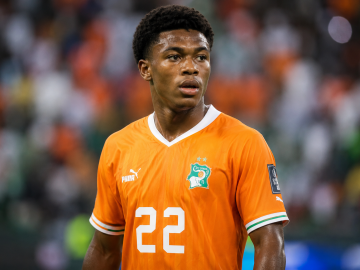
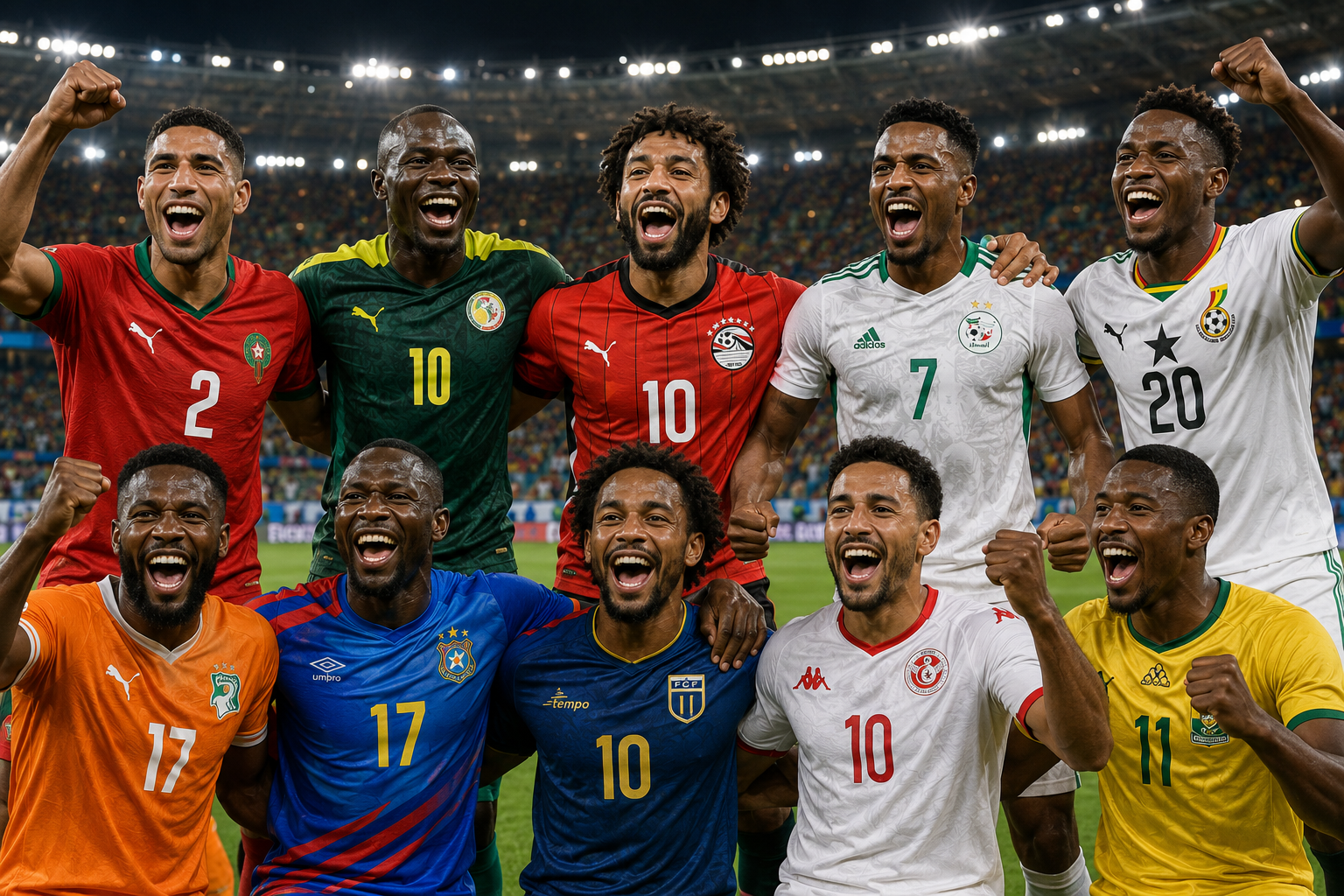
Every African nation that reached the knockout stage played its part in making history. Morocco continued to show why it remains one of Africa’s strongest football nations, while Senegal, Egypt, Algeria, Ghana, DR Congo, Ivory Coast and Tunisia all produced performances that showed they could compete with the world’s best.
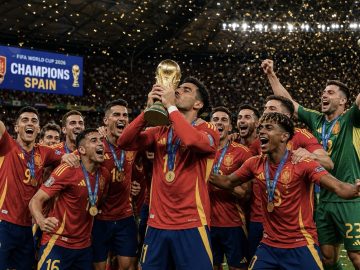
Cape Verde, however, became one of the biggest stories of the tournament. Playing in their first FIFA World Cup, the tiny island nation won fans over with fearless football and incredible determination. They held Spain to a draw in the group stage and showed they were never afraid of bigger opponents. Their World Cup journey eventually came to an end, but not before giving one of Europe’s top teams a real fight. Cape Verde may be one of the smallest countries at the tournament, but they left with the respect of football fans around the world.
Africa’s rise is not happening by chance. Better coaching, stronger youth development and more players competing in Europe’s top leagues are helping national teams improve every year. The result is a new generation of African sides that are better organised, more confident and harder to beat.
Just as important is the belief within these teams. African nations no longer arrive at the World Cup hoping to cause an upset. They expect to compete. Morocco’s historic run to the semifinals in 2022 helped change that mindset, and the 2026 tournament showed that confidence is spreading across the continent.
Although most of Africa’s teams have now completed their World Cup campaigns, the continent has already achieved something special. Nine of its ten representatives reached the knockout stage, the best record of any continent at the tournament. More importantly, African teams showed they can consistently challenge football’s traditional powers.
The 2026 FIFA World Cup will be remembered as a turning point for African soccer. The continent didn’t just produce memorable moments. It proved that African teams belong among the world’s best. Whether it’s Morocco’s continued success, Cape Verde’s unforgettable debut or the strong performances from across the continent, one thing is clear: African football has arrived, and the rest of the world has taken notice.
Discover more from The HotJem
Subscribe to get the latest posts sent to your email.