


Spain’s Historic 2026 World Cup Glory
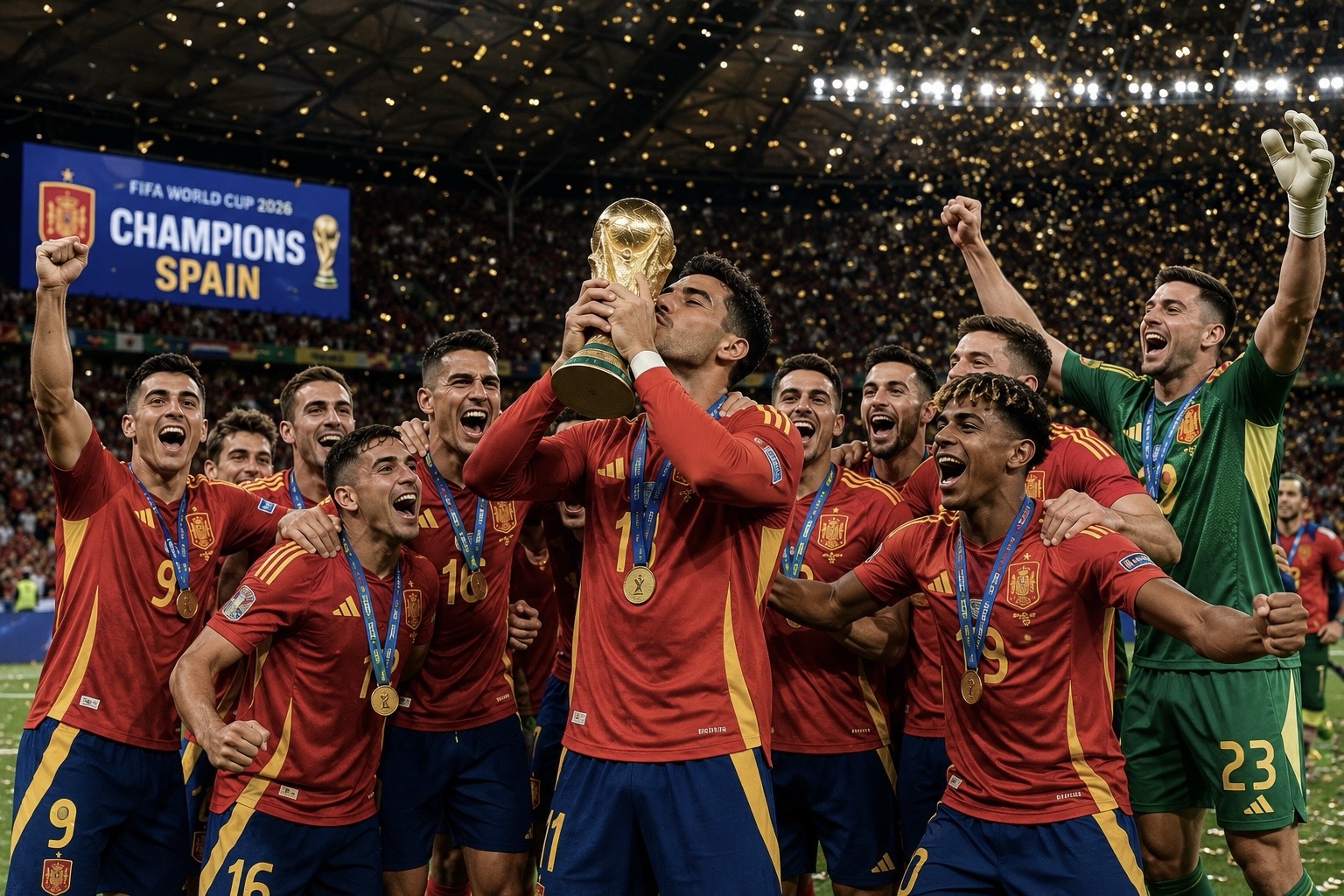
Spain are world champions once again! Sixteen years after lifting their first FIFA World Cup trophy in South Africa, Spain have returned to the top of world football after defeating defending champions Argentina 1-0 in a dramatic final that went into extra time. Ferran Torres became the hero by scoring the winning goal in the 106th minute, securing Spain’s second FIFA World Cup title and ending Argentina’s hopes of winning back-to-back championships.
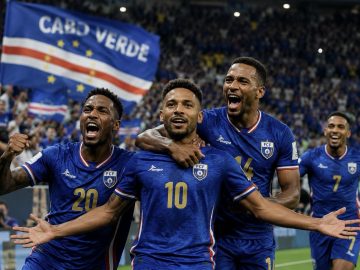
Spain’s campaign did not begin the way many expected. A frustrating 0-0 draw against tournament debutants Cape Verde raised questions about whether they had enough firepower to challenge for the titleThose doubts quickly disappeared as victories over Saudi Arabia and Uruguay saw Spain finish top of Group H and head into the knockout stage with growing confidence.
From there, Spain looked increasingly difficult to stop. They comfortably defeated Austria 3-0 in the Round of 32 before edging neighbours Portugal 1-0 in a disciplined Round of 16 performance. A 2-1 victory over Belgium followed in the quarterfinals before they stunned France 2-0 in the semifinals to book a place in the final against Argentina.
The championship match at New York New Jersey Stadium brought together two football powerhouses. Argentina were hoping to defend the title they won in Qatar four years earlier, while Spain were chasing their first World Cup since 2010. It was also widely expected to be Lionel Messi’s final appearance at the FIFA World Cup, adding even more emotion to an already historic occasion.
Neither side could find a breakthrough during normal time despite creating several chances. Argentina defended bravely, with goalkeeper Emiliano Martínez making a number of important saves to keep his side in the contest, while Spain continued to control possession and patiently searched for an opening.
The turning point came in extra time when Argentina were reduced to ten men after Enzo Fernández received a red card. Moments later, Ferran Torres reacted quickest inside the penalty area and fired the ball into the net in the 106th minute, sparking celebrations among the Spanish players and supporters. His goal proved to be the difference as Spain held on to win 1-0.
Spain’s success was built on discipline, patience and one of the strongest defensive displays of the tournament. They conceded just one goal throughout the entire World Cup, highlighting the organisation and consistency that defined Luis de la Fuente’s side. Rather than relying on individual brilliance alone, Spain won by trusting their system, staying composed under pressure and working together as a team.
For Argentina, the defeat marked a heartbreaking end to their title defence. If this was indeed Lionel Messi’s final World Cup appearance, it closed one of the greatest international careers football has ever seen. Although Argentina fell short of retaining the trophy, reaching another World Cup final reinforced their place among the sport’s elite nations.
For Africans in the diaspora, Spain’s World Cup triumph also tells another important story. The success of the Spanish national team reflects how players with African heritage have become an important part of modern Spanish football, showing how migration and multicultural communities continue to shape the global game.
One of the biggest examples is Lamine Yamal, one of the brightest young stars in world football today. Born in Spain, Yamal has a Moroccan father and an Equatorial Guinean mother. His remarkable rise from Barcelona’s famous La Masia academy to becoming one of football’s biggest young talents has inspired millions of young Africans and people of African descent around the world. His journey reflects the experience of many children in the diaspora who grow up between different cultures while pursuing their dreams.
Yamal is not the only player representing this connection between Africa and Spanish football. Nico Williams, whose parents are from Ghana, Alejandro Balde, who has African heritage through his family, and Ansu Fati, who was born in Guinea-Bissau, are all examples of how players with African roots continue to shape Spain’s football identity.
For many Africans living abroad, these stories go beyond football. They show that identity can cross borders and that someone can proudly embrace their African heritage while representing another nation on the world’s biggest sporting stage. They also highlight the important role African families and communities continue to play in developing some of football’s brightest talents.
Spain’s second World Cup title will be remembered for much more than simply lifting the trophy. It marked the rise of another generation of Spanish stars, showcased one of the tournament’s most disciplined teams and highlighted the growing influence of players with African heritage in modern European football. From local neighbourhoods and football academies to the biggest stadiums in the world, these players continue to inspire millions across the African diaspora and beyond while proving that talent truly knows no borders.
Discover more from The HotJem
Subscribe to get the latest posts sent to your email.