



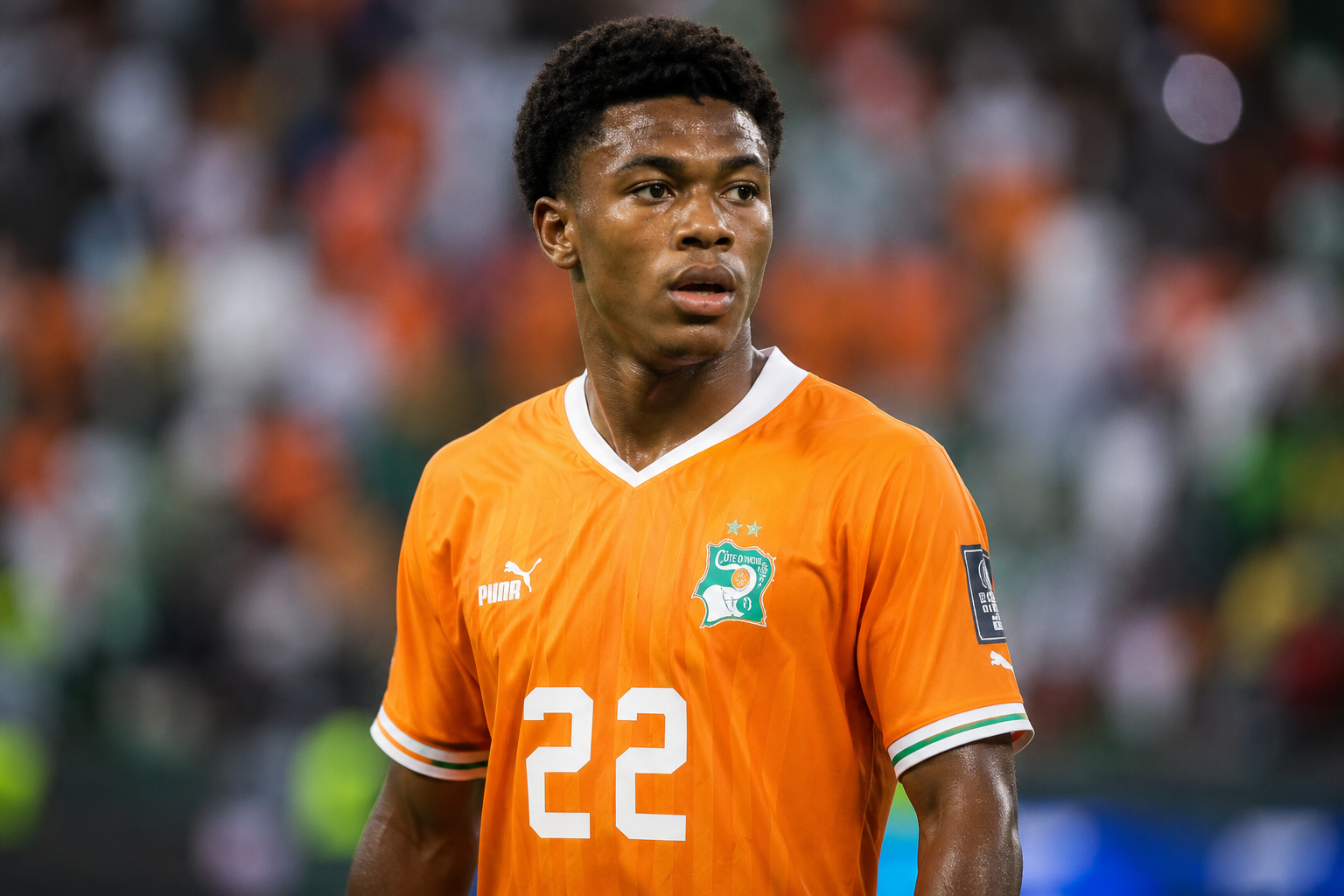
The Reason Some Players Still Choose Their Parents’ Homeland
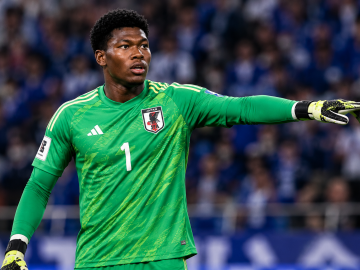
In modern soccer, many players with African roots grow up in Europe and eventually face one of the biggest decisions of their careers: which nation to represent. Some choose the country where they were born, while others decide to honor the land of their parents. Guéla Doué belongs to the second group, and his recent performance against France has made his story even more compelling.
Born in Angers, France, on October 17, 2002, Doué grew up with two identities. His mother is French while his father is Ivorian, giving him the opportunity to represent either nation at international level. Like many talented dual-nationality players, he faced a decision that could have shaped his career in very different ways.
For many observers, choosing France would have seemed like the obvious path. France remains one of the strongest soccer nations in the world and regularly competes for major international trophies. Yet Doué chose Côte d’Ivoire, the homeland of his father. It was a decision rooted not only in soccer but also in family, identity, and cultural heritage.
What makes his choice particularly interesting is that it was not driven by a lack of opportunity. France no longer has the same depth at right-back that it enjoyed in previous generations. With strong performances for Strasbourg and continued development in Ligue 1, there was a realistic possibility that Doué could have placed himself firmly in the conversation for future French national team selections. Instead, he committed himself to Côte d’Ivoire.
That decision looked even more significant when Côte d’Ivoire faced France in a World Cup warm-up match. The Elephants secured a historic 2-1 victory, recording their first-ever win against Les Bleus. Doué played a central role in the result. After France opened the scoring through Rayan Cherki, the Ivorian defender found the equalizer before later setting up Amad Diallo for the winning goal. His performance earned widespread praise and helped deliver one of the most memorable victories of his international career.
The story becomes even more fascinating when viewed through a family lens. Guéla’s younger brother, Désiré Doué, made a different choice. Like his older brother, the Paris Saint-Germain star was born in France to an Ivorian father and a French mother. Unlike Guéla, however, Désiré chose to represent France and is expected to play an important role in the national team’s future.
The image of one brother representing Côte d’Ivoire and the other representing France perfectly reflects the reality of many African diaspora families today. Both decisions deserve respect because they represent personal journeys, ambitions, and different connections to family heritage.
As Côte d’Ivoire prepares for the World Cup, Guéla Doué will proudly wear the orange jersey knowing he followed his heart. While some players choose the country that may offer the biggest platform, others choose the nation that feels most connected to their identity. Neither decision is right or wrong, but Doué’s recent heroics offered a powerful reminder that heritage continues to matter.
For many people across the African diaspora, this is about more than soccer. It is about belonging, identity, and maintaining a connection to the places and cultures that helped shape who we are. In an increasingly globalized world, Guéla Doué’s story shows that family roots can still be powerful enough to influence some of life’s biggest decisions.
Discover more from The HotJem
Subscribe to get the latest posts sent to your email.