


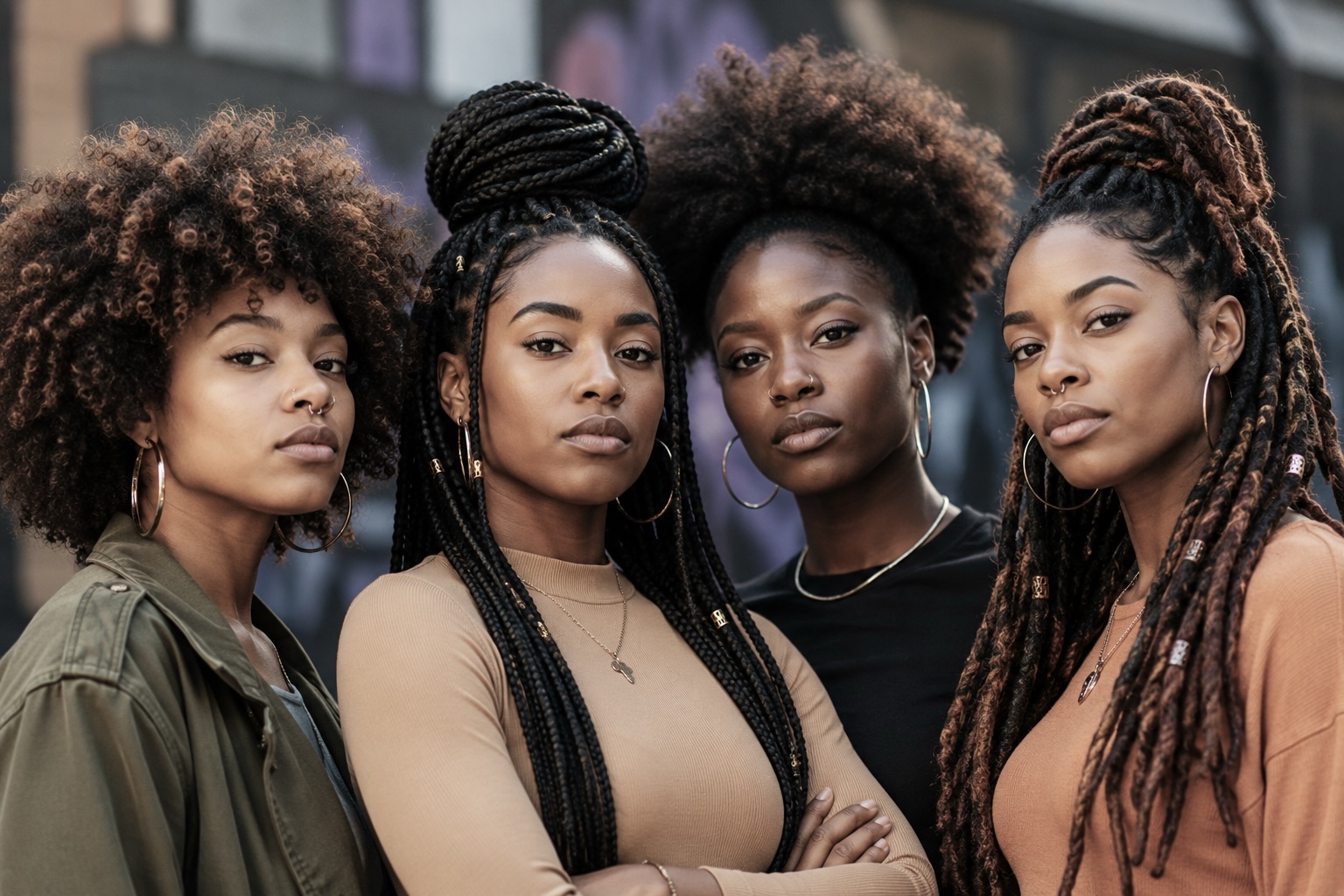
Why So Many Black People Still Feel Judged For Their Hair
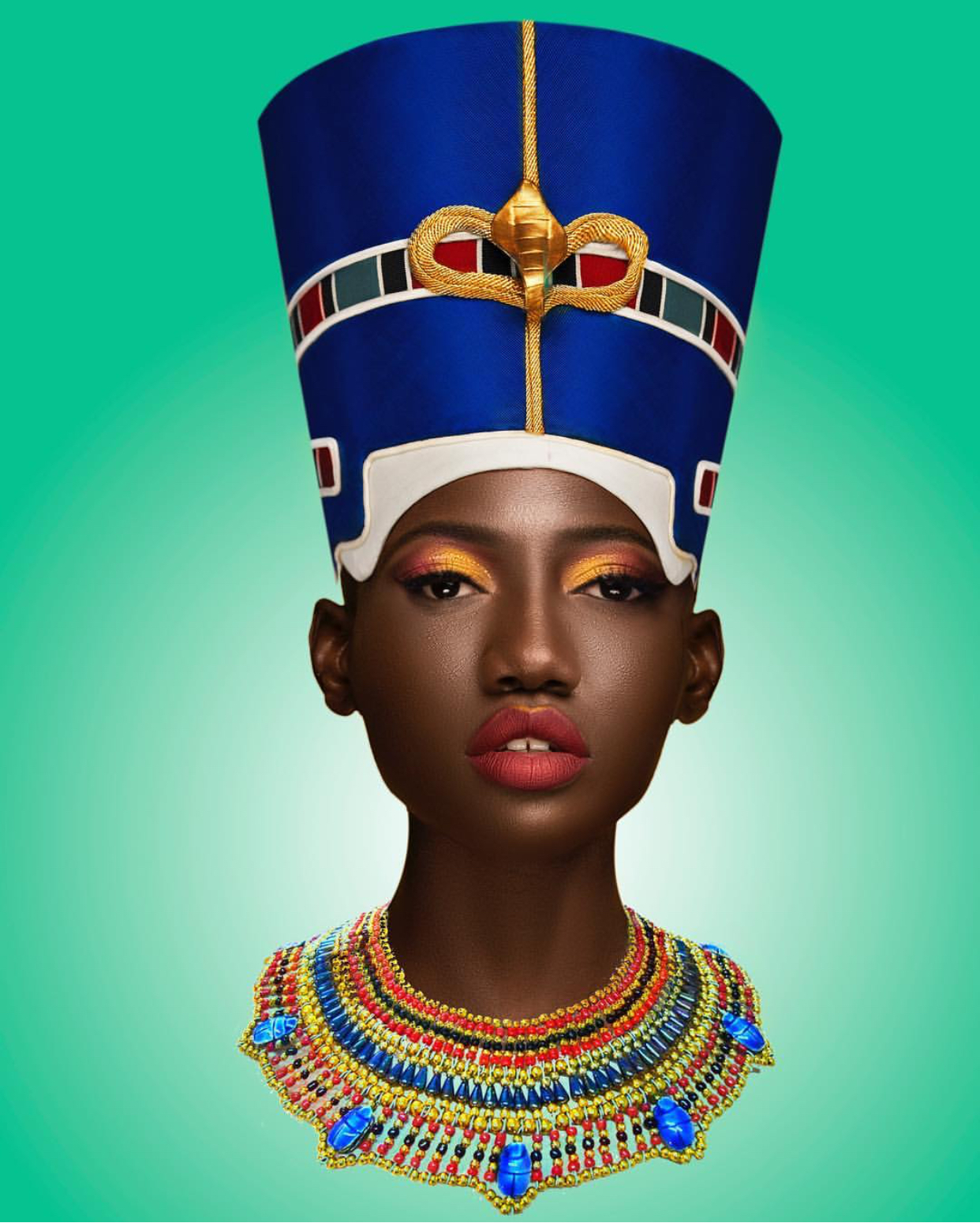
Hair has always been more than fashion in Black communities around the world. It carries identity, history, resistance, pride, spirituality, and culture. For many people across the African diaspora, hair is deeply connected to how they see themselves and how society sees them. Yet even in 2026, natural Black hair continues to face discrimination in schools, workplaces, media spaces, and entertainment industries across different countries. What should simply be a personal expression still becomes a political discussion almost everywhere Black people exist.
The conversation around Black hair is not new. During slavery and colonialism, African hair textures and traditional hairstyles were often mocked, controlled, or erased. European beauty standards became the global standard through colonization, media influence, and education systems. Straight hair was presented as professional, clean, and beautiful, while Afro-textured hair was often labeled as wild, unprofessional, or difficult. Those ideas spread across continents and survived for generations. Even after independence movements and civil rights victories, many of those beauty standards remained deeply rooted in society.
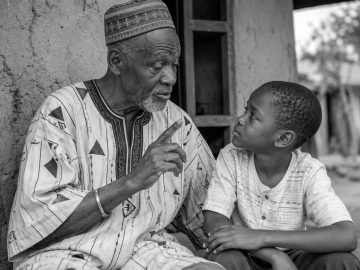
Across the diaspora, many Black children still grow up hearing comments about their natural hair before they even understand race politics. Some are told their hair is too rough, too distracting, too big, or not neat enough for school. In several countries, students have been suspended or punished because of Afros, braids, twists, locs, and other hairstyles closely connected to Black identity. These incidents continue to spark outrage because they reveal how deeply discrimination remains hidden beneath modern conversations about diversity and inclusion.
In the United States, the debate around natural hair gained greater visibility through movements pushing for legal protection against hair discrimination. Laws such as the CROWN Act were introduced in various states to prevent schools and employers from penalizing people because of natural hairstyles associated with Black identity. Despite that progress, many Black professionals still admit they feel pressure to alter their appearance to fit workplace expectations. Interviews, corporate environments, television industries, and luxury fashion spaces often continue rewarding Eurocentric beauty standards even while publicly celebrating diversity.
The same tension exists across Europe. In countries such as France, the United Kingdom, Belgium, and Germany, many Black women have spoken openly about feeling more accepted professionally when wearing straightened hair, wigs, or weaves. Some describe receiving different treatment when wearing braids or Afros compared to hairstyles that align more closely with traditional European beauty standards. The issue becomes even more complicated because discussions about race are often approached differently than in the United States, leaving many Black communities feeling that their experiences are minimized or ignored.
In Africa itself, the issue remains surprisingly relevant. Decades of Western media influence helped shape beauty standards across many countries on the continent. Hair relaxers, imported wigs, and skin-lightening products became massive industries partly because colonial beauty ideals never completely disappeared. In some professional environments, women with natural hair are still viewed as less polished than those wearing straightened styles. Schools in several African countries have also faced criticism for banning dreadlocks or Afro hairstyles despite those styles being deeply connected to African identity and culture.
For members of the diaspora living in Asia, natural hair often attracts constant attention. Many Africans and Black expatriates living in countries such as China, South Korea, and Japan describe strangers touching their hair without permission, asking intrusive questions, or treating Afro-textured hair as something unusual. While some encounters stem from curiosity rather than hostility, the experience can still leave people feeling like their appearance is constantly being examined.
Social media has helped change the narrative by creating a global natural hair movement. Platforms such as YouTube, TikTok, and Instagram allowed Black creators to share tutorials, personal stories, frustrations, and confidence journeys with millions of people worldwide. The movement encouraged many individuals to embrace textures they had spent years hiding or chemically altering while also creating thriving businesses centered on products designed specifically for textured hair.
At the same time, social media exposed a frustrating double standard. Hairstyles that are sometimes criticized when worn by Black people often become trendy when adopted by non-Black celebrities and influencers. Cornrows, braids, baby hairs, and loc-inspired styles regularly appear in fashion campaigns, music videos, and influencer culture without proper acknowledgment of their cultural roots. For many people across the diaspora, this reflects a larger pattern in which Black culture is celebrated while Black people themselves continue fighting for equal acceptance.
Entertainment industries have also played a major role in shaping perceptions of Black hair. For decades, movies and television frequently presented straight hair as the standard for beauty, romance, and professionalism. Although representation has improved, many actresses, presenters, and musicians still feel pressure to wear wigs or straightened hairstyles in order to appeal to mainstream audiences. As a result, conversations about Black hair remain closely tied to broader discussions about race, beauty, femininity, respectability, and social mobility.
The emotional impact of hair discrimination is often overlooked. Many Black women speak about painful childhood memories involving relaxers, scalp burns, bullying, or feeling unattractive because their natural texture did not match dominant beauty standards. Some Black men report being stereotyped because of locs or Afros, with assumptions made about their professionalism or character before they even speak. While these experiences may seem minor to outsiders, they can shape confidence, self-esteem, and identity for years.
Natural hair continues to be a global conversation because the issue has never been solely about hairstyles. At its core, it is about dignity, freedom of expression, and the right for people to exist naturally without being judged, excluded, or pressured to change. Although attitudes are gradually shifting and younger generations are embracing natural hair with greater confidence, the conversation is far from over.
Across Africa, the Caribbean, Europe, North America, and other parts of the world, more parents are teaching their children to love their natural textures instead of viewing them as something that needs fixing. Representation is improving in business, politics, sports, entertainment, and fashion, helping challenge outdated beauty standards that persisted for generations.
Natural hair is still a global fight because the deeper struggle has never only been about hair. It has always been about whose identity society considers acceptable, professional, beautiful, and worthy of belonging without changing themselves first.
Discover more from The HotJem
Subscribe to get the latest posts sent to your email.