
Is The West Still The Dream For Young Africans?
For decades, the idea of success for many Africans was closely tied to one thing: leaving the continent.
Whether it was moving to the United States, Canada, the United Kingdom, France, or Germany, the belief was often the same. If you could make it abroad, you had made it in life. The West represented opportunity, financial stability, quality education, stronger healthcare systems, and a chance at a better future.
Across many African households, stories of relatives living overseas helped fuel that dream. People returned home during holidays wearing nice clothes, building houses, buying land, and supporting family members financially. Children grew up hearing about Europe and North America as places where hard work was rewarded and opportunities seemed endless.
That dream still exists today, but the conversation around it is changing. More young Africans are beginning to question whether moving abroad is still the only path to success.
The reality is that the West continues to offer opportunities that remain difficult to access in many parts of Africa. Better infrastructure, stronger currencies, organized public services, and access to global industries continue attracting students, professionals, entrepreneurs, and skilled workers from across the continent. For someone struggling with unemployment, economic instability, or limited career opportunities, earning in dollars, euros, or pounds can completely change not only their life but the lives of their entire family. For millions of people, the West still represents hope.
At the same time, modern communication has exposed realities that previous generations rarely discussed openly. Years ago, migrants often shared their success stories while keeping their struggles private. Today, social media has created a different conversation. Africans living abroad are increasingly speaking honestly about rising living costs, housing challenges, loneliness, racism, homesickness, and the emotional pressure that can come with starting over in a foreign country.
The glamorous image many people once imagined often hides years of sacrifice and hard work. Some migrants find themselves working multiple jobs to cover rent, transportation, healthcare, and other basic expenses. Others carry the additional responsibility of supporting parents, siblings, school fees, and medical bills back home. Many continue sending money to relatives while dealing with their own financial challenges abroad, making the dream far more complicated than previous generations often realized.
Another factor changing the conversation is Africa itself. Across the continent, technology and digital platforms are creating opportunities that did not exist a generation ago. Young Africans are building online businesses, creating content, working remotely for international companies, launching startups, and earning global income without necessarily leaving their home countries.
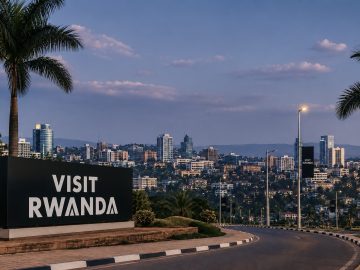
Cities like Lagos, Nairobi, Kigali, Accra, and Johannesburg are increasingly becoming hubs for innovation, entrepreneurship, technology, entertainment, and investment. For some young people, the question is no longer how to leave but what they can build where they already are.
This does not mean Africa has solved all its challenges. Issues such as unemployment, corruption, insecurity, and limited infrastructure continue affecting millions of people. Critics of the “stay and build” argument point out that many Western countries still offer levels of stability and opportunity that remain difficult to find consistently across large parts of the continent.
That is why the debate remains so powerful. The truth is that both sides have valid arguments. The West continues to provide life-changing opportunities for many Africans while Africa is creating possibilities that previous generations could hardly imagine. What has changed is that success is no longer being defined by migration alone.
For some people, success still means moving abroad and building a life there. For others, it means creating opportunities at home while remaining connected to the global economy. Increasingly, young Africans are realizing that both paths can lead to meaningful and successful lives.
Perhaps the biggest shift is that the dream itself has evolved. For decades, many Africans saw the West as the destination. Today, a growing number see it as one option among many. While millions of people still aspire to live abroad, success is no longer viewed through a single lens.
So, is the West still the dream?
For millions of people, absolutely. But unlike before, it is no longer the only dream.
Discover more from The HotJem
Subscribe to get the latest posts sent to your email.