



Useful African Words And Phrases Every Visitor Should Know
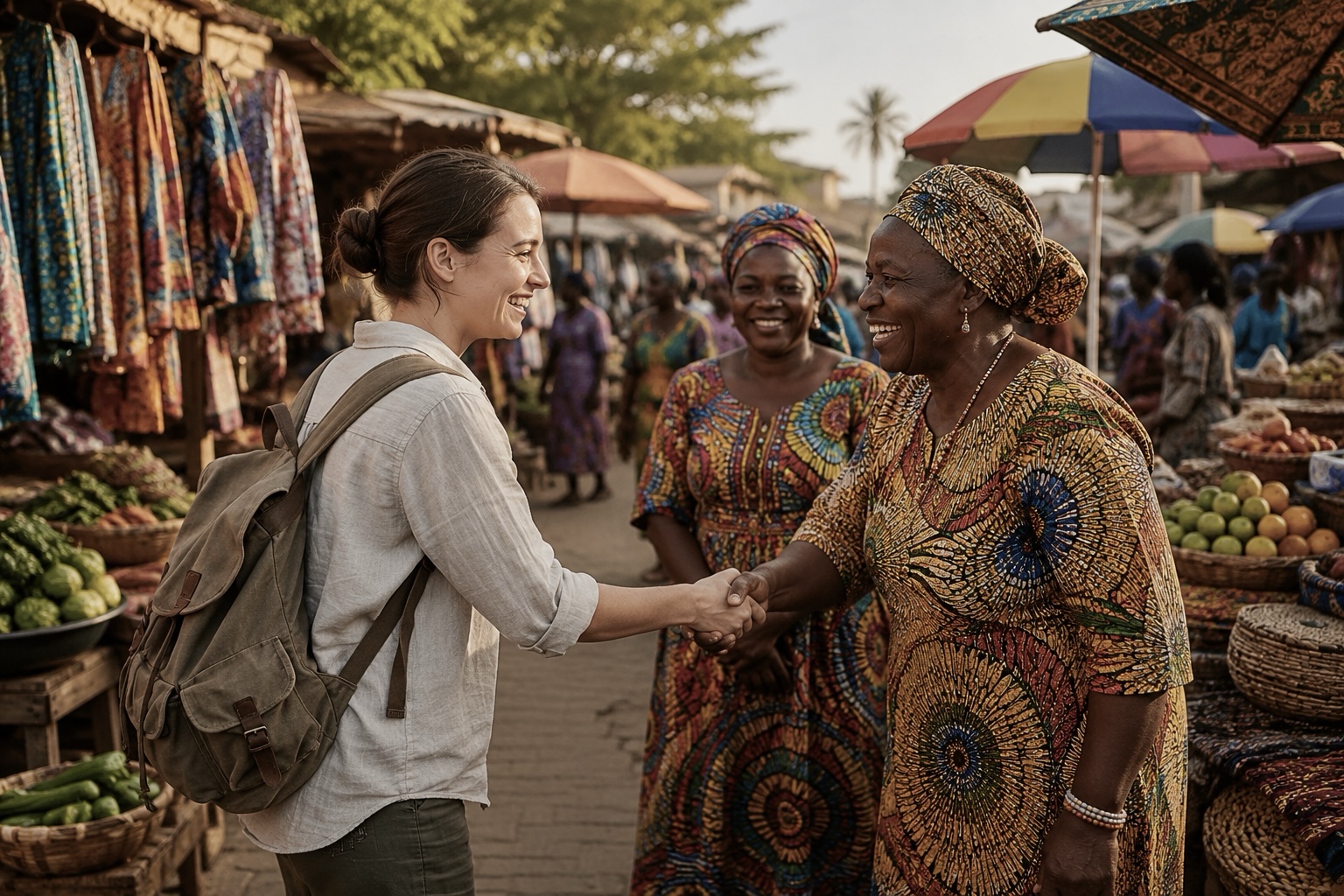
Africa is home to thousands of languages, with every region having its own ways of greeting people, showing appreciation and welcoming guests. Learning even a few local words can make a trip more enjoyable and help visitors connect with the people they meet.
No one expects a traveler to speak every language perfectly. However, making the effort to say hello, thank you or welcome in a local language can show respect and often lead to warmer interactions. These words are more than simple expressions. Many of them reflect the hospitality, values and traditions of the communities where they are spoken.
Jambo
Jambo means hello in Swahili and is one of the most widely recognized African greetings, especially among visitors to Kenya and Tanzania. It is simple, friendly and an easy way to begin a conversation while traveling through East Africa.
Asante
Asante means thank you in Swahili. It is useful when someone serves you food, gives you directions, offers assistance or helps make your visit more comfortable. A simple “Asante” is an easy way to express appreciation.
Karibu
Karibu means welcome, or you are welcome, in Swahili. It is commonly heard in hotels, restaurants, shops and homes across East Africa. The word reflects the warm hospitality for which many communities in the region are known.
Pole Pole
Pole pole means slowly or take it easy in Swahili. Travelers may hear it when someone encourages them not to rush. It is also a reminder to slow down, enjoy the experience and appreciate the journey.
Hakuna Matata
Hakuna matata means no worries or no problem in Swahili. Although the phrase became famous around the world through entertainment, it was already used in everyday conversation in East Africa. It can be used to reassure someone or encourage them not to worry about a small problem.
Sawubona
Sawubona means hello in Zulu, one of South Africa’s major languages. The greeting carries a deeper sense of acknowledging another person’s presence. In many African cultures, greeting someone properly is an important part of showing respect before beginning a conversation.
Ngiyabonga
Ngiyabonga means thank you in Zulu. It is a useful expression for travelers interacting with Zulu-speaking communities in South Africa. The pronunciation may take some practice, but the effort is often appreciated.
Ubuntu
Ubuntu is a well-known concept found in Southern African languages, including Zulu and Xhosa. It reflects the belief that people are connected through shared humanity, kindness and compassion. At its heart, Ubuntu reminds us that stronger communities are built when people care for and support one another.
Ekaabo
Ekaabo means welcome in Yoruba, a major language spoken mainly in Nigeria and other parts of West Africa. The expression reflects the importance of hospitality in Yoruba culture and can be used to warmly receive someone.
Sannu
Sannu is a common Hausa greeting. Hausa is spoken by millions of people across Nigeria, Niger and other parts of West Africa. Learning this simple expression can help visitors begin conversations in a friendly and respectful way.
Nagode
Nagode means thank you in Hausa. It is a simple but meaningful way to show gratitude when traveling through Hausa-speaking communities.
Akwaaba
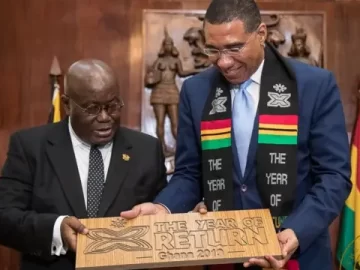
Akwaaba means welcome in Akan and is commonly associated with Twi, which is widely spoken in Ghana. It is one of the country’s best-known expressions and can often be seen at airports, hotels, tourist attractions and cultural events.
Medaase
Medaase means thank you in Twi. It is a useful expression for travelers in Ghana who want to show appreciation and make an effort to connect through the local language.
Muraho
Muraho means hello in Kinyarwanda, the national language of Rwanda. Greetings are an important part of everyday interaction in Rwanda, and using Muraho is a respectful way to begin a conversation.
Merci
Merci means thank you in French. While French did not originate in Africa, it is widely spoken in countries including Cameroon, Senegal, Côte d’Ivoire, Gabon and the Democratic Republic of Congo. It remains one of the most useful words for travelers visiting French-speaking parts of the continent.
Learning these words is not only about making communication easier. It is also about showing respect, building connections and becoming more open to the cultures around you. Even a simple greeting or thank you can lead to a friendlier exchange and a more meaningful travel experience.
For Africans living abroad, these expressions can also provide a way to reconnect with the continent. Whether someone is visiting family, exploring another African country or learning more about their heritage, language can create a bridge between people and cultures.
Discover more from The HotJem
Subscribe to get the latest posts sent to your email.