



African Diaspora Networking And Building Communities Abroad
Moving abroad can be exciting, but nobody really talks about how much of your life suddenly becomes a solo project. You have to figure out where to live, how things work, where to find opportunities, who to trust and sometimes even where to find the foods and familiar faces that make a new place feel a little less foreign. That is where having a strong African community around you can make a real difference.
Sometimes, the most valuable person you meet abroad is not someone who can hand you a job or introduce you to a big executive. It might be the person who tells you which neighborhood to avoid, where to find an African grocery store, how to navigate something you do not understand or who to call when you need help. Those seemingly small connections can make settling into a new country much easier.
Then there is the professional side of networking, and this is where things can get really interesting. Africans abroad are working across technology, healthcare, finance, education, media, construction, beauty, entertainment and just about every other industry you can think of. You never know who might be sitting at the next community event, professional meetup or dinner. The person you casually meet today could become a mentor, introduce you to your next employer, collaborate with you on a business or simply give you advice that saves you from making an expensive mistake.
For entrepreneurs, those connections can be even more valuable. Maybe you are launching a catering business and your first customers come through people you know in the community. Maybe you make clothing, beauty products or food and suddenly have access to customers who are looking for something that reminds them of home. Or perhaps you meet another entrepreneur who has a skill you need and the two of you realize there is an opportunity to work together. Not every connection turns into a business deal, but you cannot discover those opportunities if you never connect with people in the first place.
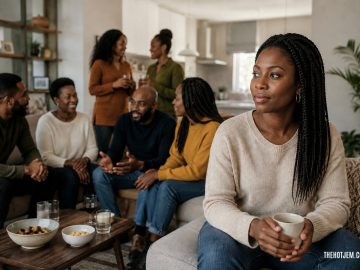
And networking does not have to feel like walking around a room handing out business cards while trying to remember everyone’s name. Some of the strongest connections happen over dinner, at a cultural celebration, through a WhatsApp group, at a professional event or simply because someone introduced you to someone else. The relationship becomes valuable because there is trust behind it, not because you collected another contact on LinkedIn.
There is also a side of diaspora networking that has nothing to do with careers or money. Moving away from home can sometimes leave you missing the little things you did not realize mattered so much. The language, the food, the jokes, the music, the celebrations and even the way people understand certain family situations without needing a ten-minute explanation can make a difference. Having people around who understand where you come from can create a sense of belonging that is difficult to replace.
That connection can be especially important for younger Africans growing up abroad. Children raised outside their parents’ home countries may know Africa through family stories, holidays, food and occasional visits, but community can give that connection a much more everyday presence. Being around other African families and experiencing different cultures, languages, music and traditions can help young people understand that their heritage is not simply something they hear about at home.
Technology has also changed what diaspora community can look like. You might live in Dallas but be part of an African professional group with members in New York, London and Toronto. A WhatsApp group can become a source of recommendations, job leads, business referrals and everyday support, while social media can help people discover events and communities they might never have found on their own.
But good networking cannot be all about what someone can do for you. If every conversation begins with a request, people will eventually stop answering the phone. Strong communities are built when people share information, make introductions, recommend each other’s businesses, celebrate each other’s wins and show up when someone needs help. You give something, you receive something and, over time, everybody becomes part of a larger network.
That is really the power of diaspora communities. You may have left Africa, but you did not leave behind the value of knowing your people. The right connections can help you find opportunities, build friendships, navigate life in a new country and stay connected to where you came from, while also creating something new where you are now.
Discover more from The HotJem
Subscribe to get the latest posts sent to your email.