
US Suspends Green Card Processing for Employees at 8 Major Tech Companies
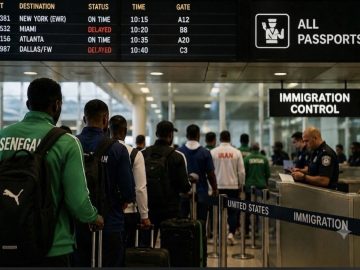
For many foreign professionals, getting a job in the United States is only the beginning. After spending years working, building experience and settling into life in the country, the next goal is often to obtain a green card and secure permanent residency. But a recent US government decision could make that process more difficult for some employees at major technology companies.
On October 8, 2026, the US government announced that it was suspending eight major technology and IT companies from an employment-based immigration process known as Permanent Labor Certification, or PERM. The companies are Microsoft, Adobe, Cognizant, Infosys, Tata Consultancy Services, Wipro, HCL Technologies and Capgemini. Government officials said the decision was intended to address alleged misuse of immigration rules and protect American workers. The action means the government will not accept new PERM applications from these companies or continue processing pending applications while the suspension remains in place.
The announcement has raised concerns among foreign professionals who were relying on their employers to help them obtain permanent residency. However, it is important to understand what has actually been suspended. This decision does not automatically cancel the work visas of employees at these companies, nor does it mean that every foreign worker employed by them has lost the opportunity to obtain a green card.
A green card allows a foreign national to live and work permanently in the United States. Unlike a temporary work visa, it provides a more stable immigration status and gives people greater freedom to plan their careers and family lives. For many skilled professionals, employer sponsorship is one of the main ways to obtain permanent residency.
One important step in this process is PERM. Before an employer can sponsor many foreign workers for employment-based green cards, it must generally demonstrate that it has tried to recruit qualified American workers for the position and that hiring a foreign worker will not negatively affect the wages or working conditions of American employees in similar jobs. The US Department of Labor reviews this process before the employer can move forward with the next stage of the green card application.
The eight companies affected by the suspension are major employers of international professionals, particularly in technology and consulting. Microsoft, for example, develops software, cloud computing services and other digital products. It employs professionals in engineering, software development, cybersecurity and other technical fields. The company came under criticism from US officials over its use of foreign workers alongside job cuts affecting American employees. Microsoft disputed the criticism, saying that around 80% of its H-1B filings in the relevant fiscal year involved extending or changing the status of existing employees rather than bringing in new workers.
Adobe, known for products such as Photoshop and Acrobat, is another company affected by the decision. It employs software developers, engineers and other technology professionals. Foreign employees who were relying on Adobe to sponsor their green card applications through PERM could now face delays and uncertainty about when their cases will move forward.
Cognizant provides technology consulting, software services and digital solutions to businesses around the world. It employs a large international workforce, including professionals who work on technology projects for major companies. Its inclusion in the suspension could affect employees who were counting on the company to help them obtain permanent residency.
Infosys, an Indian multinational technology company, provides software development, consulting and digital services. Many of its employees work in technical and business roles in the United States. Those relying on Infosys for PERM sponsorship may now have to reconsider their immigration plans while the restriction remains in place.
Tata Consultancy Services, commonly known as TCS, is another major IT services and consulting company. It employs professionals in software development, data management, engineering and other technical areas. Employees whose green card applications depend on the company’s PERM sponsorship could face similar delays.
Wipro provides technology services, engineering solutions and business consulting to clients across different industries. Its inclusion in the suspension means foreign employees who were relying on the company’s PERM applications may have to wait longer before progressing towards permanent residency.
HCL Technologies, now known as HCLTech, offers software services, engineering solutions and digital technology support. Its foreign employees may also experience uncertainty if their green card applications depend on the suspended labour certification process.
Capgemini, a French multinational consulting and technology services company, completes the list of eight affected employers. It provides technology, engineering and business consulting services to clients worldwide. Foreign professionals employed by the company who were pursuing permanent residency through PERM may also face delays.
So, what does this mean for someone working at one of these companies on an H-1B visa?
The H-1B visa and a green card are two different things. An H-1B visa allows an eligible foreign professional to work temporarily in a specialised occupation in the United States. Software developers, engineers and other qualified professionals commonly use this visa to work for American employers. A green card, on the other hand, provides permanent resident status.
Many foreign professionals begin working in the US on an H-1B visa and later have their employers sponsor them for permanent residency. The PERM suspension affects an important step in that journey, but it does not automatically cancel an employee’s existing H-1B status. Someone who currently has valid work authorisation may still be able to continue working, provided they meet the requirements of their visa.
There are also different categories of employment-based green cards, and not all of them depend on PERM. The EB-1 category is designed for certain priority workers, including people with extraordinary ability, outstanding professors and researchers, and some multinational executives and managers. The EB-2 category generally covers professionals with advanced degrees or exceptional ability, while EB-3 covers certain professionals, skilled workers and other eligible workers.
Many EB-2 and EB-3 applications require PERM, which is why the suspension could affect employees pursuing those routes through the eight companies. However, some applicants may qualify for an EB-2 National Interest Waiver, which can allow them to apply without the usual employer-sponsored labour certification. This option has specific eligibility requirements and is not available to everyone simply because they work in a specialised field.
The development is also relevant to Africans who work in the United States or hope to build careers there. Professionals from Cameroon, Nigeria, Ghana, Kenya, South Africa and other African countries may be employed by some of these companies or hoping to secure jobs with them. A Nigerian software developer working for Infosys or a Cameroonian technology professional employed by Microsoft, for example, could face delays if their green card application depends on the suspended PERM process. Their nationality is not what determines whether they are affected. The key factors are their employer and the immigration route they are using.
It is worth pointing out that the suspension does not cover every major technology company in the United States. Amazon, Google and Meta were not among the eight employers named in the announcement. However, working for a company that is not on the list does not guarantee green card approval. Applicants must still meet the relevant immigration and employment requirements.
For Africans considering technology jobs in the United States, this is a reminder to look beyond the salary and job title when evaluating an opportunity. It is worth asking employers about their green card sponsorship policies, how long the process typically takes and what happens if an employee’s immigration plans are delayed. Understanding these arrangements before accepting a position can help people make better decisions about their future.
For those already living in the United States, the announcement may also affect decisions about settling down, bringing family members over, buying a home or making other long-term plans. Some professionals may consider opportunities in countries such as Canada, the United Kingdom, Germany and Australia, but those destinations have their own immigration rules and qualification requirements. Moving to another country is not automatically an easier option.
The US government has not announced a specific end date for the PERM suspension involving these companies. That leaves affected employees with uncertainty about when their employers will be able to resume submitting or progressing applications through this process. Anyone directly affected should speak with a qualified US immigration attorney about their individual circumstances, particularly before changing jobs, allowing a visa to expire or making major decisions based on assumptions about their immigration status.
The bottom line is that the US decision has restricted an important route to permanent residency for foreign workers sponsored by eight major technology companies. It does not mean that all their foreign employees have lost their jobs or existing visas, and it does not close every route to a US green card. But for professionals who were counting on employer sponsorship through PERM, the situation could mean longer waits and difficult decisions about what comes next.
Discover more from The HotJem
Subscribe to get the latest posts sent to your email.