|
Getting your Trinity Audio player ready...
|
Festivals and Celebrations
Language Schools and Community Classes
Culinary Traditions and Food Businesses
Music, Dance, and Artistic Expression
African fashion is also an important form of cultural expression. Designers create clothing using
How Africans Abroad Keep Their Culture Alive
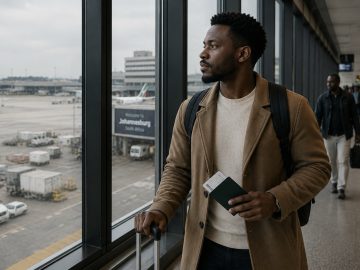
Moving to another country can change a lot about your life, but for many Africans, it does not mean leaving their culture behind. Even after living abroad for years, many people still find ways to keep the traditions they grew up with alive and pass them on to their children. Sometimes it happens through something as simple as speaking a familiar language at home, cooking a favourite meal, wearing traditional clothing to a celebration or gathering with other people who understand where you come from.
Keeping Traditions Alive Through Celebration
Festivals, cultural events and family celebrations are some of the easiest ways for people living abroad to reconnect with home. These gatherings bring people together through music, dancing, traditional clothing, food and stories, while giving younger generations an opportunity to experience parts of their culture that they may not encounter every day.
Across cities in the United States, Canada, the UK and other parts of the world, African communities organize cultural festivals and events that bring together people from different countries and backgrounds. For parents, these events can be more than just a fun day out because they give their children a chance to see other people celebrating the same traditions they may be learning about at home.
Passing Down The Language
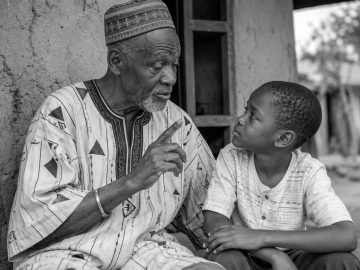
Language is one of the things many Africans abroad worry about losing, especially when their children are born or raised outside the continent. A child may understand that their parents are from Nigeria, Cameroon, Ghana, Ethiopia or another African country, but if they cannot speak the language, they may feel disconnected from an important part of their family history.
Some families make a conscious effort to speak their native language at home, while others turn to community classes, churches, cultural organizations or yonline lessons. Learning a language can also mean learning the jokes, expressions, proverbs and stories that do not always translate perfectly into English, French or another language.
Food Keeps Us Connected
Food has a way of taking you home, even when home is thousands of miles away. For many Africans living abroad, cooking the meals they grew up eating is one of the simplest ways to stay connected to their culture and introduce their children to flavours they may otherwise miss.
African restaurants, grocery stores and markets have also made it easier for people to find familiar ingredients and dishes outside the continent. Whether someone is making jollof rice, fufu, injera, suya, egusi soup or another favourite dish, food can bring back memories of family gatherings, celebrations and Sunday meals while also giving younger generations a taste of where they come from.
Food has also become a business opportunity for many Africans abroad. Restaurants, catering companies, food brands and specialty grocery stores are introducing African cuisine to people who may have never experienced it before, turning something deeply personal into a way of sharing culture with a much wider audience.
Music, Fashion And Creativity
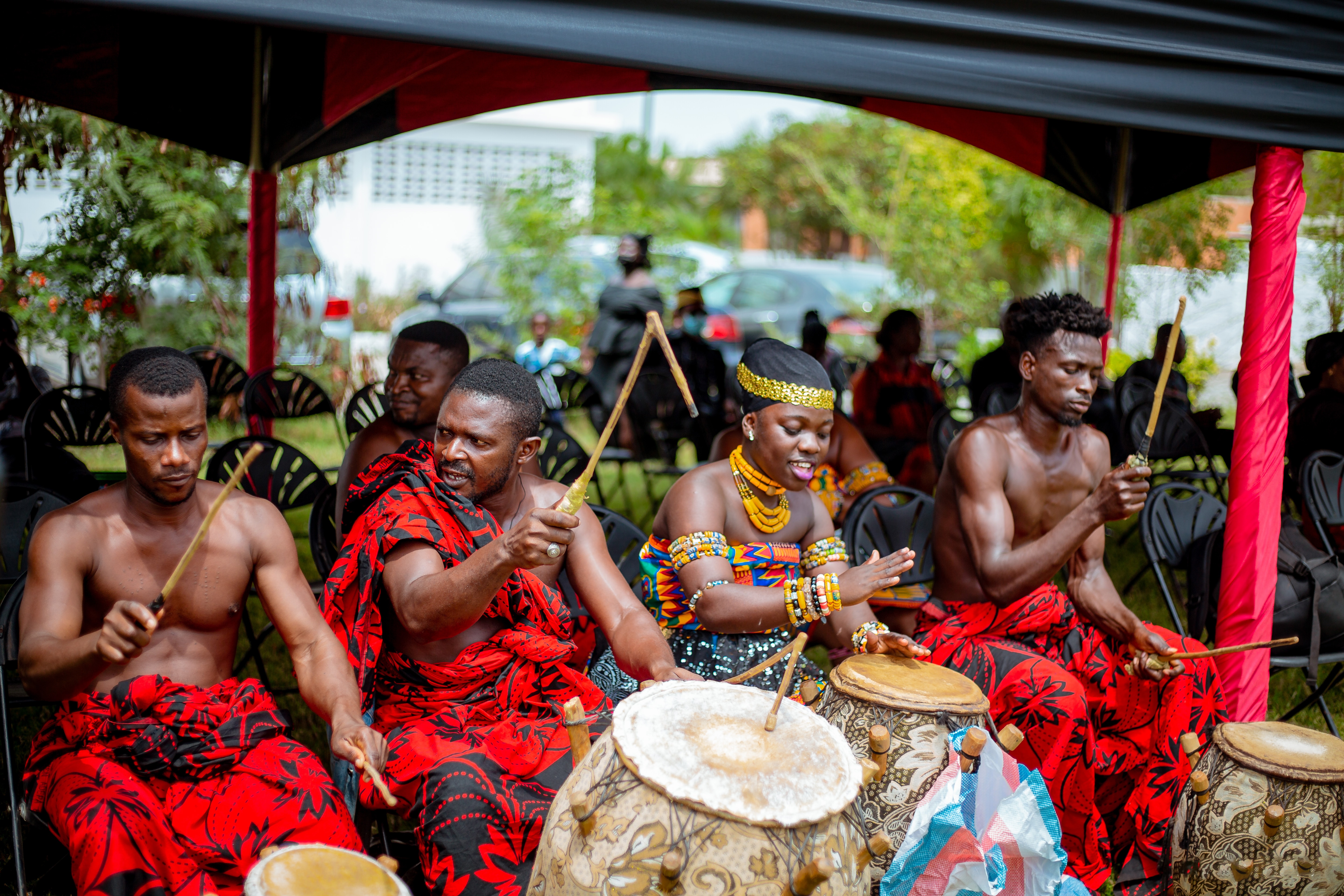
You can move away from Africa, but music has a funny way of following you. African music continues to bring people together at weddings, parties, festivals and everyday gatherings, while artists living abroad continue to mix the sounds they grew up with with the influences of their new surroundings.
Afrobeats, Highlife, Makossa, Kizomba, Soukous and many other African music styles have also found audiences far beyond the continent. For Africans abroad, listening to music from home can be about more than entertainment because sometimes one song is enough to bring back memories of a place, a person or a time in your life.
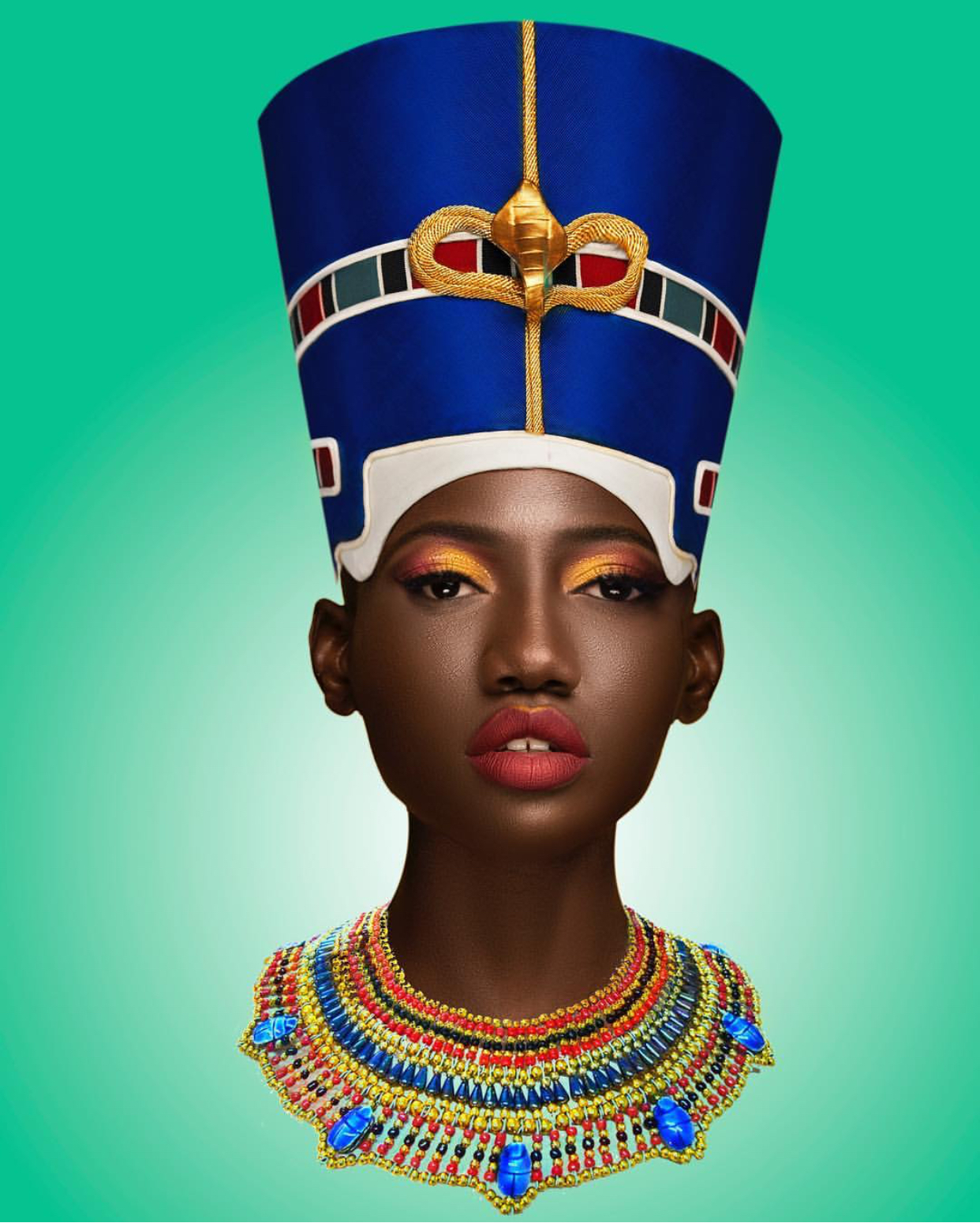
Fashion is another way people show where they come from without saying a word. Ankara, Kente, Aso Oke and other traditional fabrics continue to appear at weddings, cultural celebrations and other special occasions, while designers are also finding creative ways to mix traditional African styles with modern fashion.
Storytelling, photography, film, poetry and other forms of creative expression play a similar role. African creators living abroad are using their work to talk about identity, family, migration and life between cultures, giving younger generations new ways to understand and express where they come from.
Faith And Community Still Matter
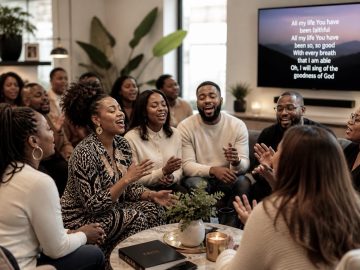
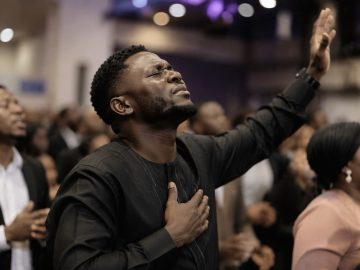
For many African families abroad, places of worship have become more than somewhere to attend a service. Churches, mosques and other faith communities can also provide a place where people meet others who understand their background, speak familiar languages and share similar experiences of living away from home.
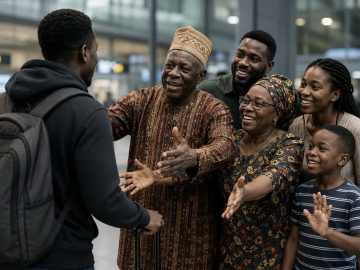
Community is often just as important as the traditions themselves. People may come together to celebrate births, weddings, graduations and other milestones, while also supporting one another during difficult times. These relationships can help people maintain a sense of connection even when they are far from the family and communities they grew up around.
Keeping Culture Alive In A Changing World
Keeping your culture alive is not always easy, especially for children who grow up surrounded by a different culture. They may speak differently from their parents, have different ideas about family and independence, or simply feel more connected to the country where they were raised.
That does not necessarily mean they are rejecting their African identity. Culture changes as people move, grow and experience different parts of the world, and younger generations will naturally create their own relationship with the traditions they inherit.
Technology has also changed the way Africans abroad stay connected. Social media, YouTube, podcasts and online communities allow people to share recipes, music, languages, stories and cultural conversations with people thousands of miles away. Someone can now learn how to cook a traditional dish from a creator in Africa, take an online language class or watch a cultural celebration happening on another continent without leaving their home.
Parents also play an important role in making culture part of everyday life rather than something children only experience at major celebrations. Speaking a familiar language, cooking traditional meals, telling family stories, visiting relatives and explaining the meaning behind certain customs can help children understand that their heritage is not something they have to choose between and the culture they grew up in.
You Can Live Somewhere New Without Forgetting Where You Come From
Living abroad naturally changes people, and there is nothing wrong with adopting parts of the culture around you. The goal does not have to be choosing between your African roots and the life you have built somewhere else because many people are perfectly capable of carrying both.
For many Africans abroad, culture lives in the little things we sometimes take for granted. It is in the food on the dinner table, the language spoken when family gets together, the music playing at a party, the clothes worn to a wedding and the stories parents tell their children about where they came from.
The way we preserve culture may change from one generation to the next, but that does not mean it disappears. As long as people continue to cook the food, speak the languages, tell the stories, celebrate the traditions and share them with the next generation, those connections can continue no matter how far from home they live.
fabrics like Ankara, Kente, and Aso Oke, mixing old and new styles. People wear these outfits proudly at weddings, festivals, and special events, showing pride in their roots. Additionally, African storytelling, poetry, and theater remain strong in diaspora communities, with writers and artists using their talents to share African history and experiences.
Spiritual and Religious Practices
Religion plays a big role in cultural identity, and many Africans in the diaspora continue practicing their traditional beliefs. African churches and mosques serve as community centers where people come together not only for worship but also for social support. Some also keep traditional spiritual practices alive, such as Ifa, Vodun, and other indigenous African belief systems. These traditions help people maintain a sense of belonging and remind them of their ancestral roots.
Challenges in Cultural Preservation
Despite these efforts, maintaining African traditions in the diaspora is not always easy. One major challenge is assimilation, where younger generations adopt the culture of their new country and lose touch with their African heritage. Many African children born abroad struggle to speak their native languages or understand traditional customs. Another challenge is stereotypes and discrimination, which sometimes make people afraid to openly express their culture.
Additionally, fast-paced modern life makes it difficult for families to continue traditions. Hommunities are finding creative ways to overcome these challenges. Social media and digital platforms allow people to share their culture online, connecting Africans across the world. Virtual language classes, YouTube cooking tutorials, and online cultural discussions help keep traditions alive even in busy urban settings.
Discover more from The HotJem
Subscribe to get the latest posts sent to your email.