Are Young Africans Still Listening to Gospel?
|
Getting your Trinity Audio player ready...
|
There was a time when African Gospel music seemed to be everywhere. Certain songs were playing in cars, at family gatherings, in church, on WhatsApp statuses and, eventually, all over YouTube and social media. If you grew up in Africa or have family there, you probably remember a period when you couldn’t go very long without hearing some of the same Gospel songs being played over and over again.
The late 2010s and early 2020s were a particularly big period for African Gospel music. Artists were gaining international audiences, worship songs were racking up millions of views online, and African Gospel was reaching people far beyond the churches where many of these songs began. For Africans living abroad, the music often traveled with them. You could be living in London, Toronto, Atlanta or Dallas and still hear the same songs your family was listening to back home.
But music tastes have changed. Afrobeats, Amapiano, R&B, dancehall and other genres have become a huge part of what younger Africans listen to, and the way people discover music has changed dramatically too. So it raises an interesting question: are young Africans, particularly Gen Z, still listening to Gospel the way Millennials and older generations once did?
The answer seems to be yes, although perhaps not in the way some people expect.
Spotify reported that between 2022 and 2024, Gospel streams among Nigerian Gen Z listeners increased by an astonishing 1,228%. During the same period, Gospel streams among Gen Z listeners in Kenya increased by 365%, while South Africa saw a 288% increase and Ghana 329%. Young listeners were also creating their own Gospel playlists in significant numbers.
And the interest hasn’t exactly disappeared since then. Spotify data from Nairobi in 2026 showed Gospel streaming among listeners aged 18 to 24 increasing by 37% year over year. At the same time, those same young listeners were also streaming Afrobeats, Amapiano, R&B, dancehall and other genres.
That last part may actually be the key to understanding what is happening. Gen Z isn’t necessarily choosing Gospel instead of everything else. They’re listening to Gospel alongside everything else.
Someone can have a Gospel worship song sitting next to an Afrobeats hit, an Amapiano track and an R&B playlist. They might listen to worship music on their way to work, switch to Afrobeats later in the day and spend the evening listening to something completely different. Music doesn’t necessarily have to fit into one box anymore.
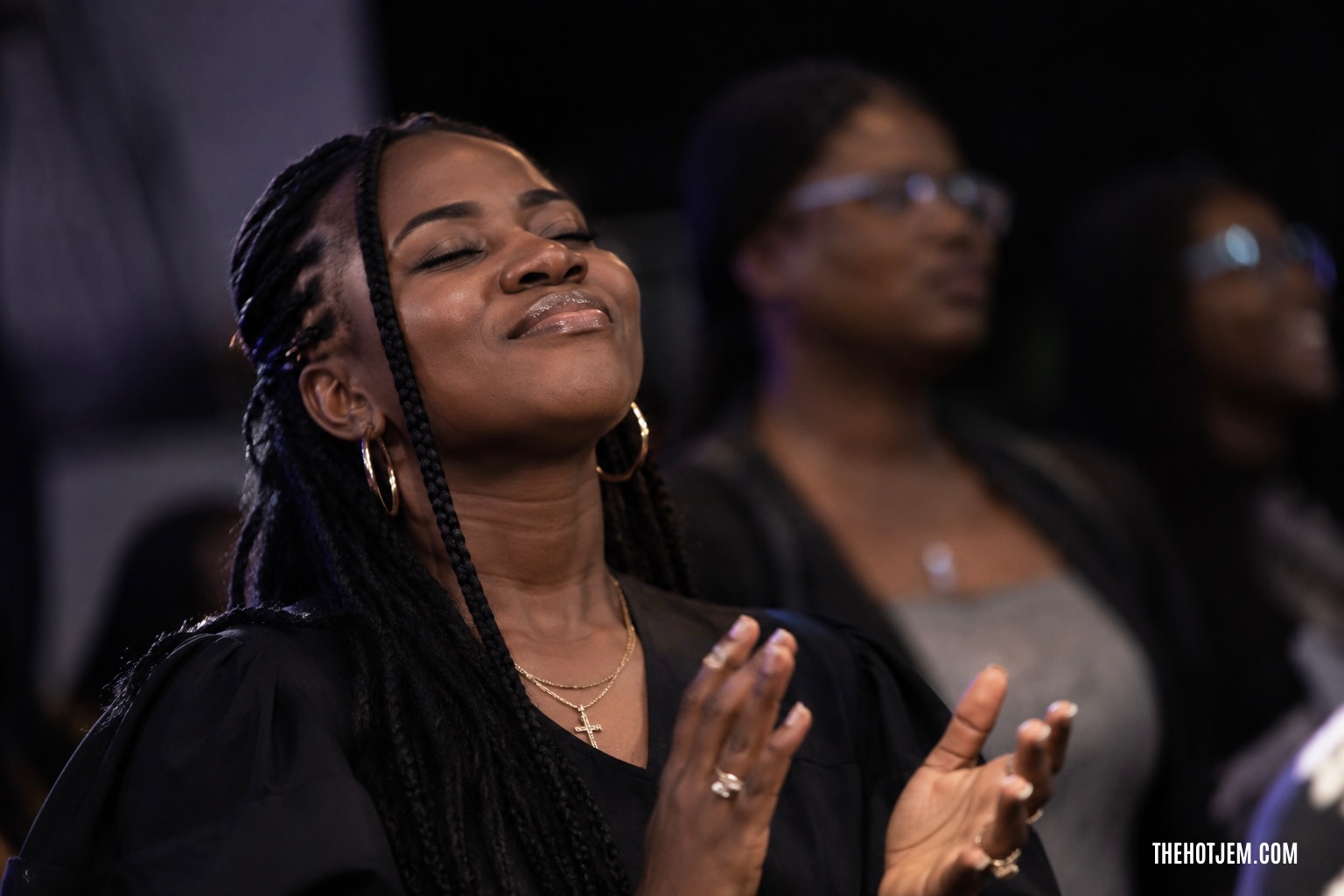
The way young people discover Gospel has changed too. They aren’t dependent on Sunday services, Christian radio or whatever their parents happen to play at home. A song can appear on Spotify, YouTube, TikTok or Instagram. A worship clip can go viral. A sermon can become a podcast. Someone can discover an artist thousands of miles away without ever having attended their church. That matters even more for Africans living outside the continent.
For someone in the diaspora, African Gospel can be about much more than religion. Sometimes it is simply a connection to home. It can bring back memories of growing up in Africa, Sunday mornings with family, church services, parents playing music around the house or a particular period of life before moving abroad.
There is also something comforting about hearing a familiar voice or song when you’re far from home. You may have built an entirely different life in another country, but certain sounds have a way of making the distance feel a little smaller.
At the same time, younger Africans abroad are growing up with a much more global musical identity. A young Nigerian in Houston, a Ghanaian in London or a Kenyan in Toronto may have grown up listening to African Gospel while also consuming American R&B, Afrobeats, Amapiano, hip-hop and whatever else is dominating their feeds. Their relationship with Gospel doesn’t necessarily have to look exactly like their parents’ relationship with it.
And perhaps that is why the assumption that young people are simply moving away from Gospel misses the bigger picture.
Gospel music itself has evolved. The production sounds different. Artists are experimenting with African rhythms and contemporary sounds. Social media has changed how musicians connect with audiences. Worship music can feel more accessible to someone who may not spend every Sunday in church but still wants music that speaks to where they are emotionally or spiritually.
Spotify also reported a significant increase in Christian podcast listening among Gen Z, with Nigerian Gen Z Christian podcast streams rising 482% between 2022 and 2024.
So perhaps the better question isn’t whether young Africans still listen to Gospel. It may be whether we are still listening in the same way. The answer to that appears to be no.
The days when an entire generation might be listening to the same few songs at the same time may be harder to recreate in today’s fragmented music landscape. There are simply too many artists, platforms, genres and ways to discover music. But that doesn’t mean Gospel has lost its place.
For some young Africans, it is faith. For others, it is nostalgia. For others, it is family, culture, comfort or simply music they genuinely enjoy. And for Africans living abroad, it can be all of those things at once.
Maybe African Gospel didn’t lose its audience when the big trend seemed to fade. Maybe the audience simply changed, the playlists got bigger and the way people connect with the music evolved.
The real question now isn’t whether Gen Z is listening. It’s what Gospel means to them.
Discover more from The HotJem
Subscribe to get the latest posts sent to your email.