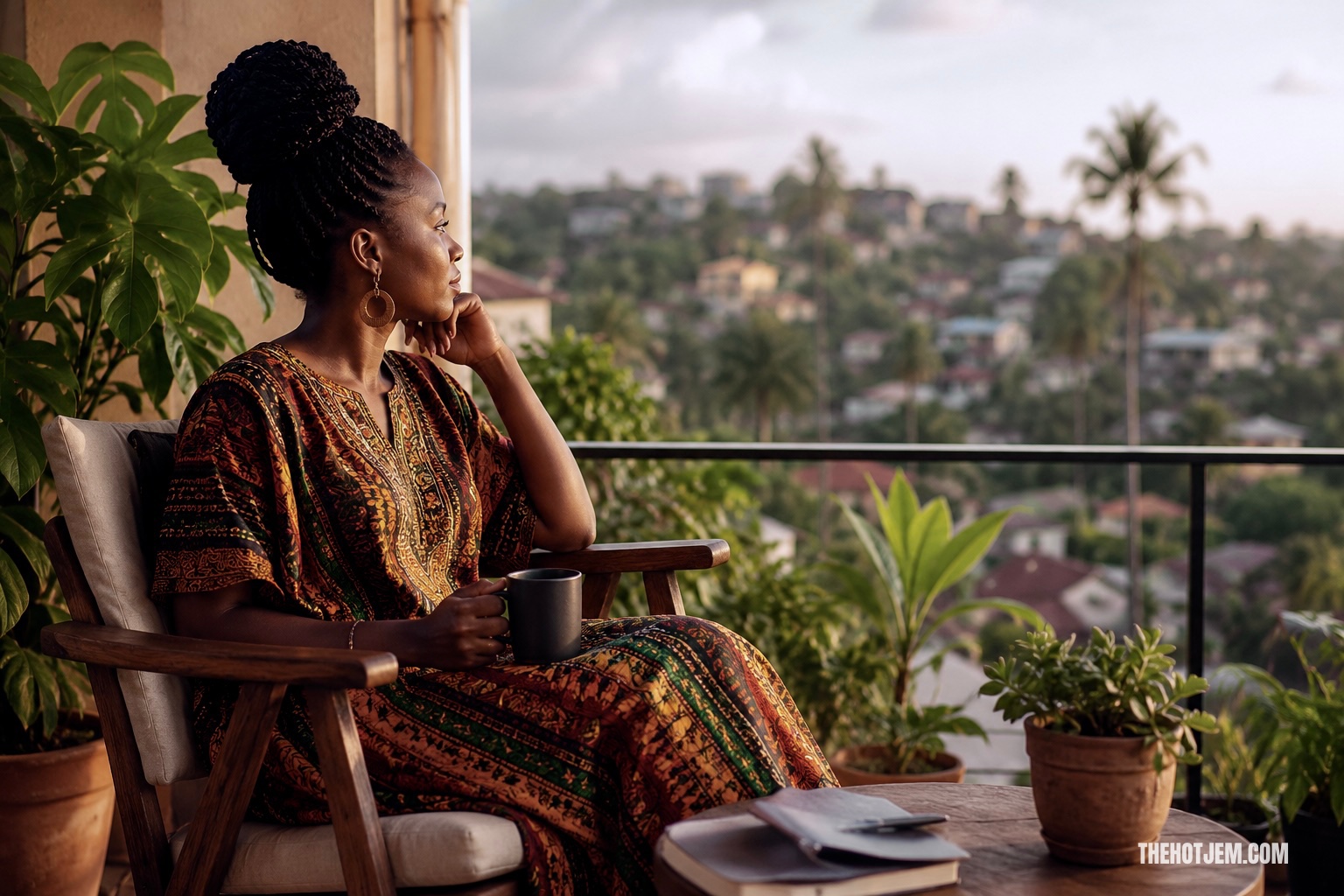



What Africans Abroad Should Know Before Moving Back Home
For many Africans living abroad, moving back home is one of those ideas that never completely goes away. You may have built a career overseas, bought a home, raised a family or simply created a life you are proud of, yet there is still a part of you that wonders what it would be like to wake up every morning closer to family, familiar food, familiar languages and the culture you grew up with. Maybe you want to build a house, start a business, raise your children closer to their roots or simply spend the next chapter of your life somewhere that feels more connected to who you are.
Then there are those trips home that make the idea feel even more tempting. You spend a few weeks eating everything you missed, seeing family, catching up with old friends and enjoying the energy of being back, and suddenly you are thinking, Why am I still living abroad? Maybe I should just move home. The feeling is real, but before you start packing those suitcases, there is something worth remembering: visiting home and actually living there are two very different experiences.
If you have been away for 10, 15 or even 20 years, the Africa you remember may not be the Africa you return to. Cities have grown, neighborhoods have changed, technology has transformed how people work and communicate, businesses have evolved and the cost of living may be very different from what you remember. Some of those changes may surprise you in a good way, while others may take some getting used to, so it helps to return with an open mind and allow yourself to rediscover the place rather than expecting everything to look exactly as it did when you left.
That can be difficult because memories have a funny way of freezing places in time. You remember the neighborhood where you grew up, the people you knew, the foods you ate and the way life felt before you left, but while you were building a life abroad, life at home continued too. People changed, families grew, businesses came and went and entire communities developed new ways of doing things, so going back successfully means getting reacquainted with home instead of assuming you already know it.
You also need to be honest with yourself about what permanent life there will look like. A holiday can give you the best parts of home without requiring you to deal with all the everyday responsibilities because during a visit, you may be spending most of your time relaxing, visiting family and enjoying yourself. Once you live there permanently, you have to deal with transportation, healthcare, utilities, housing, banking, work, business operations and all the little frustrations that come with everyday life, so make the decision based on the life you are actually planning to live rather than the experience you had during your last vacation.
Your finances deserve just as much attention. Having savings in dollars, pounds or euros can give you a strong starting point, but it does not automatically mean you will be financially comfortable after you move. Building a home, starting a business, supporting family and dealing with unexpected expenses can eat through savings much faster than you expect, so before leaving a job and a steady income abroad, you should know exactly how you intend to support yourself once you get home. That could mean keeping a remote job, running a business, investing, consulting, retiring or having another reliable source of income, but relying entirely on savings without a long-term plan can create problems very quickly.
Then there is family, which can be both one of the biggest reasons you want to return and one of the biggest adjustments you have to make. In many African families, living abroad can create an assumption that you are doing better financially than everyone at home, and once you return, you may find yourself receiving requests for school fees, medical expenses, business investments, family projects or help with unexpected problems. Wanting to support your family is not a bad thing, but returning home does not suddenly make you financially responsible for everyone around you, so having honest conversations and setting realistic boundaries can help you support the people you love without putting your own future at risk.
Another adjustment that can be surprisingly difficult is realizing that living abroad may have changed you more than you expected. Your habits may be different, your expectations may be different and you may have become accustomed to certain systems, conveniences or levels of independence that are not always available in the same way at home. At the same time, you may discover that some of the things you missed about home are exactly what you needed, which is why returning should not be approached with the expectation that everything will feel instantly familiar.
It is also important to resist the idea that living abroad automatically means you know more than the people who stayed home. You may have gained valuable skills, built businesses, worked in different industries or learned new ways of doing things, but the people who remained on the continent have also gained knowledge that you may no longer have. They understand the local market, culture, relationships and everyday realities because they live there, so listen to them, learn from them and then figure out how your experience can complement what already exists.
This becomes especially important if your plan is to start a business. Africa has opportunities across technology, agriculture, healthcare, entertainment, education, finance, tourism and many other industries, but an idea that worked in the United States, Canada, the UK or Europe will not necessarily work the same way on the continent. Before putting your savings into a business, spend time understanding the customers, competition, regulations, costs and local habits, build relationships with people who understand the market and test your idea before making a major financial commitment.
For some members of the diaspora, the hardest part of returning may not be financial at all. It may be figuring out where they belong after years of living somewhere else. You may return and realize that you still feel deeply African while also carrying an identity shaped by the country where you have lived, and that can leave you feeling completely at home and slightly out of place at the same time.
There is nothing unusual about that experience. Years abroad can change your habits, views, relationships and expectations, and returning home does not mean you have to erase everything you became while living abroad. It means figuring out how to bring those experiences into a new chapter while allowing yourself time to reconnect with a place that has changed alongside you.
It is also worth resisting the temptation to romanticize either side of the experience. Life abroad can be stressful and lonely, but life back home is not automatically easier, cheaper or more peaceful, just as everything abroad is not automatically better. Every place has its advantages and frustrations, and moving home will not necessarily solve the problems you had abroad because you are choosing a different environment with a different set of opportunities and challenges.
That is why spending more time at home before making the final decision can be incredibly useful. If possible, stay for a longer period instead of relying on short vacations, work from there if your job allows it, research the city where you plan to live and talk to people who have actually made the move. Their experiences may give you a much more realistic picture than the beautifully edited version of “moving back home” you see on social media.
For Africans in the diaspora who do decide to return, there can be enormous opportunities to create something meaningful. The skills, knowledge, professional experience and international connections you have built abroad can be valuable, particularly when combined with local knowledge and a genuine understanding of the community you are returning to. You may be able to build a business, create jobs, mentor younger people, introduce new ideas or simply contribute in ways that would not have been possible from thousands of miles away.
At the same time, staying abroad does not make you any less African, and deciding not to move home does not mean you have abandoned your roots. Some people may eventually relocate permanently, while others may invest, visit more often, build businesses or create stronger relationships with their home countries without actually moving back. There is no single definition of what reconnecting with home has to look like.
If you are seriously considering the move, take your time and make the decision with both your heart and your head. Understand your finances, think honestly about your family responsibilities, research the realities of where you plan to live and give yourself room to adjust if things do not turn out exactly as expected. Africa has changed, and so have you, so the goal is not to recreate the life you remember from childhood but to build something new with the experience you gained abroad and the knowledge that already exists at home.
For some people, moving back will become one of the best decisions they ever make, while others may eventually realize that visiting, investing or maintaining strong connections from abroad is the better choice. Either way, going home should not be about proving anything to anyone or finding some perfect version of Africa that may only exist in your memories. It should be about deciding what you want the next chapter of your life to look like and honestly asking yourself whether home is where you want to build it.
Discover more from The HotJem
Subscribe to get the latest posts sent to your email.