
Fast-Growing African Industries Creating New Millionaires
Africa is changing, and so is the way people are making money across the continent. New technology, growing cities, more people getting online and a young population with plenty of ambition are creating businesses that would have looked very different 10 or 20 years ago.
And no, that doesn’t mean you can jump into any of these industries and automatically become a millionaire. If only it were that easy! But there are some areas where the demand is growing, people are already spending money and entrepreneurs are finding new ways to solve everyday problems. For anyone paying attention to where Africa is headed, these industries are worth watching.
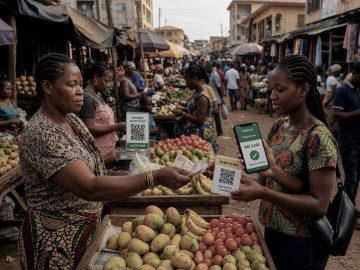
Fintech is one of the biggest examples. Think about how people send money, pay bills, shop and manage their money today. Mobile money and digital payments have made it possible for millions of people to move money from their phones without relying on a traditional bank for everything.
That has opened the door for businesses that make payments easier, help people save, provide loans, offer financial tools or simply make everyday money matters less complicated. According to the African Development Bank, the share of Africans aged 15 and older with an account at a financial institution or mobile money provider increased from 22.2% in 2011 to 54.9% in 2024. That is a massive change, and it means there are plenty of people who now need better financial products and services.
Then there is the digital economy, and this one could get really interesting.
African entrepreneurs are building software companies, online stores, digital agencies, cybersecurity businesses, AI services and all kinds of businesses that can operate online. And one of the best things about a digital business is that your customers don’t necessarily have to live in the same country as you.
Someone can build a business in Kenya, Nigeria, Ghana, South Africa or Cameroon and potentially sell a product or service to customers somewhere else in Africa, Europe, North America or beyond. That ability to reach customers outside your immediate location can completely change what is possible for a small business.
Agriculture is another one people should be paying more attention to, especially beyond traditional farming. When you hear agriculture, you might picture someone growing crops and selling them at a market. But think about everything that happens before that food reaches your plate.
Someone has to process it, package it, store it, transport it, market it and eventually get it into the hands of the customer. That means there are business opportunities all along the way.
Take something as simple as tomatoes. Growing tomatoes is one business. Turning those tomatoes into a packaged sauce that can sit on supermarket shelves is another business entirely. The same idea applies to cocoa, coffee, cassava, fruits, spices and countless other products grown across Africa.
There is potentially a lot of money in figuring out how to take something Africa already produces and turn it into something people are willing to pay more for.
Solar energy is another industry that could create some serious opportunities. If you have ever experienced unreliable electricity, you already understand the problem. Businesses need power. Homes need power. Shops need power. Schools and other facilities need power.
That creates opportunities for companies that install solar systems, sell equipment, maintain systems, provide financing or find other ways to make reliable energy more accessible. In the COMESA region, renewable-energy investment increased by 67% in 2024, according to UN Trade and Development.
And honestly, whenever you see a major everyday problem affecting millions of people, it is worth asking a simple question: Who is going to figure out how to solve this problem, and can that solution become a business? That question also applies to logistics and transportation.
Africa is growing, online shopping is growing and businesses are selling more products across cities and borders. Somebody has to get all those products from point A to point B.
That means there is room for businesses involved in delivery, warehouses, transportation, fleet management, storage and technology that helps companies keep track of everything moving around. The person who figures out how to make deliveries faster, cheaper or more reliable could have a very valuable business on their hands.
Tourism is another area with plenty of room to grow. Africa has beaches, wildlife, mountains, historic places, incredible food, music, fashion and cultural experiences that people travel from around the world to experience.
But you don’t have to own a five-star hotel to make money from tourism. You could run tours, organize experiences, provide transportation, create travel content, manage events, operate a restaurant or build a business that helps travelers discover places they might otherwise miss.
And there is another market that deserves attention: Africans traveling within Africa. More people are exploring other countries on the continent, whether for vacations, business, weddings, festivals or simply because they want to see more of Africa. There is money to be made in helping people have a great experience while they are there.
Then there is entertainment, and this one is already proving what is possible.
African music, movies, fashion and digital content are reaching audiences around the world. Artists no longer have to depend entirely on traditional media or wait for someone in another country to decide they are worth paying attention to. Social media and streaming platforms have changed that.
But the opportunity isn’t only for the person holding the microphone or appearing on camera. Someone has to produce the content, manage the artist, handle marketing, organize events, create merchandise, distribute the work and build the technology behind it.
In other words, when an industry grows, there is usually money to be made around it too.
Health care is another industry where the need is obvious. Africa’s growing population means more people need hospitals, pharmacies, diagnostic services, medical supplies and other health-related services.
There are also opportunities for businesses using technology to make health care easier to access or easier to manage. And while health care may not sound as exciting as technology or entertainment, the reality is pretty simple: people will always need health services.
Housing and construction are also going to remain big business. African cities are growing, which means people need somewhere to live, work, shop and run their businesses.
And again, you don’t have to become a major property developer to participate. There is money in construction materials, furniture, plumbing, electrical work, property management, interior design, repairs and maintenance. A growing city creates opportunities for a lot more businesses than the company actually putting up the building.
Manufacturing could be one of the biggest opportunities of all. Africa produces plenty of raw materials, but there is a huge difference between selling something in its raw form and turning it into a finished product that people are willing to pay more for.
Think about cocoa versus chocolate. Cotton versus clothing. Cassava versus packaged food products. The more businesses that can take locally available resources and turn them into finished products, the more value can potentially stay within African economies.
And this is where things get particularly interesting for entrepreneurs who are thinking beyond their own country.
The African Continental Free Trade Area is intended to make it easier for businesses to sell across African borders and create a much larger market. There are still plenty of challenges, including transportation, regulations, customs and infrastructure, but the idea of building a business that can eventually serve customers in multiple African countries is a very different way of thinking about business.
A company that starts in Cameroon, for example, doesn’t have to think of Cameroon as the end of the road. Maybe the first customers are there. But what happens if the business eventually expands into other parts of Central Africa and beyond?
And then there is the African diaspora, which could play a much bigger role in all of this.
Africans living in the United States, Canada, Europe and other parts of the world are already buying African products, traveling back home, investing in businesses and sending money to family. That creates a connection between African businesses and customers with spending power outside the continent.
A fashion company can sell to Africans abroad. A travel company can target people planning trips home. A food company can sell products people miss from home. A technology company can build something that solves a problem for customers anywhere in the world.
The diaspora isn’t just a group of people living far away. It can also be a bridge between African businesses and international markets.
But let’s be real about something – a growing industry does not mean everybody who enters it is going to get rich.
There will be competition. Some businesses will fail. Some ideas won’t work. Some entrepreneurs will run out of money before their businesses have a chance to grow. And depending on the country and industry, electricity, transportation, financing, regulations and other challenges can make doing business much harder.
So the real question isn’t simply, “Which industry is going to make me a millionaire?”
A better question is, “What problem can I solve that people are willing to pay me to fix?”That is where the real opportunity may be.
The next generation of African entrepreneurs could come from fintech, agriculture, technology, energy, entertainment, health care, construction, tourism or manufacturing. But they won’t necessarily become successful simply because they picked a popular industry.
They’ll have to understand what people need, figure out what isn’t working, build something useful and find a way to make people come back and pay for it.
And honestly, that may be the most exciting part. Africa’s next big businesses may not come from the companies everyone is watching right now. They could come from someone who notices a problem everyone else has gotten used to and thinks, “There has to be a better way to do this. That’s often where the biggest business ideas begin.
Discover more from The HotJem
Subscribe to get the latest posts sent to your email.