

The Last Tree And What It Says About Life In The African Diaspora
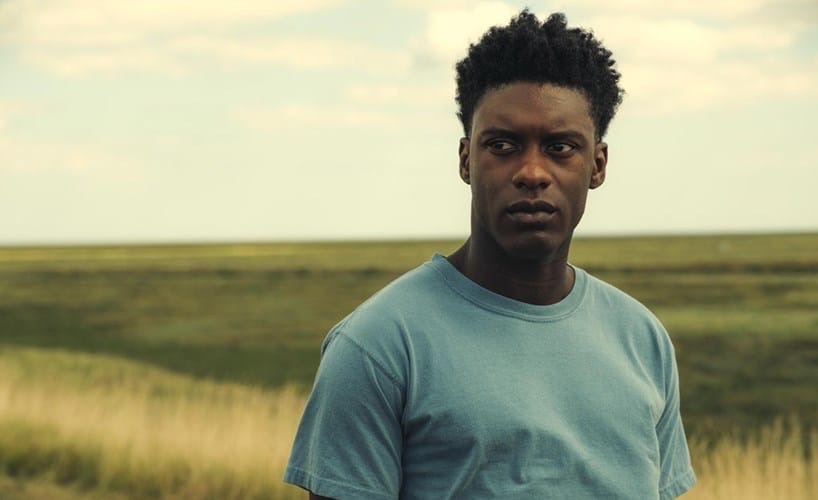
What happens when the place you call home doesn’t quite feel like home anymore? That question sits at the heart of The Last Tree, the 2019 British-Nigerian coming-of-age film directed by Shola Amoo. The film follows Femi, a young boy of Nigerian heritage who is raised in foster care in rural Lincolnshire before moving to South London to live with his biological mother. What begins as a story about one young man’s difficult transition becomes a much bigger conversation about identity, family, culture, race, belonging and the complicated question of where home really is.
Femi’s childhood in the English countryside is familiar and relatively peaceful. He has a foster mother who cares for him, friends and a life that he understands. Then everything changes when his biological mother takes him to London. Suddenly, he is expected to adjust to a different environment, a different family dynamic and a culture that is connected to his heritage but does not necessarily feel familiar. That part of the story is particularly interesting because being reunited with your biological family or returning to your roots does not automatically make a place feel like home.
And honestly, that is a feeling many people in the African diaspora will understand. There is often an assumption that if you have African parents or African heritage, your connection to Africa should automatically feel natural. But what happens when you grow up somewhere else? You may speak differently, think differently, dress differently and have an entirely different understanding of what is normal. You can love your parents’ culture while still feeling like an outsider when you are surrounded by it.
Femi finds himself caught in exactly that tension. He is Nigerian by heritage, but England is the place that shaped much of his childhood. When he moves to London, he is suddenly expected to adjust to a family and culture that are connected to him but are not entirely familiar. His Nigerian identity is part of him, but it is not the only thing that has shaped him.
That is where The Last Tree becomes especially interesting for anyone who has grown up between cultures. Identity is rarely as simple as choosing one side and calling it a day. You can be African and British, African and American, African and Canadian, or any combination of cultures that have become part of your story. You can feel completely at home in one country and still miss another. You can understand your parents’ culture without necessarily feeling that you experienced it in the same way they did. And sometimes, your parents may not understand why.
The film also looks at what happens when family separation becomes part of migration. Femi has spent years away from his biological mother, and when they are finally reunited, there is no magical reset button. They have missed years of each other’s lives. They have different expectations of one another, and Femi has already developed an identity shaped by experiences his mother was not there to witness. Their reunion therefore comes with its own complications.
That feels particularly relevant to African families living across borders. Parents leave home for work or better opportunities. Children stay behind with grandparents or relatives. Couples spend years living in different countries. Families may eventually reunite, but everyone has changed in the meantime. The idea that you can simply come back together and pick up where you left off sounds good in theory, but real life is usually much messier.
The same thing can happen when someone who has spent years abroad decides to return to Africa. There is often a romantic idea of “going back home,” as though returning to the country where you or your parents were born will automatically make everything click into place. But the person returning may not be the same person who left. Their habits have changed, their expectations have changed, their relationships may have changed, and even the place they remember may have changed.
Femi’s story captures that disconnect particularly well because the question of home follows him wherever he goes. His childhood in Lincolnshire feels like home until he is taken away from it. London is supposed to be home because his biological mother is there, yet he struggles to feel comfortable. His eventual connection to Nigeria adds another layer to his search for identity and roots, showing that even returning to the place connected to your heritage can raise more questions than it answers.
But The Last Tree isn’t only about cultural identity. It also looks at what happens when a young person desperately wants to belong. As Femi grows older, he becomes increasingly influenced by the people around him while dealing with anger, confusion, difficult family dynamics and the pressure of figuring out who he is. He eventually becomes involved with people and situations that pull him toward violence and criminal activity. The film doesn’t simply present this as a story about a “bad kid.” It gives us a look at a young person trying to find somewhere to fit and making increasingly dangerous choices along the way.
That part of the story matters because belonging is powerful, especially when someone feels like they don’t belong anywhere else. Young people growing up between cultures can find themselves negotiating expectations from home while also trying to fit into the society around them. Their parents may want them to hold tightly to traditions, while school, friends and the wider culture are pulling them in another direction.
That doesn’t necessarily mean they are rejecting their African identity. Sometimes they are simply trying to figure out how all of their identities can exist at the same time. For parents raising children in the diaspora, that can be difficult to watch because the things that feel obvious to one generation may not feel obvious to the next. The challenge is often finding a way for young people to understand where they come from without making them feel as though they have to choose between their heritage and the world they are growing up in.
There is another layer to Femi’s story that diaspora audiences may recognize: the difference between how life abroad looks from the outside and what it actually feels like to live it. From Africa, life in Europe, Britain, North America or elsewhere can sometimes look like the ultimate upgrade. Better infrastructure, bigger opportunities, higher salaries, beautiful homes, holidays and professional success can create an image of a life that seems almost effortless. Social media has only made that image more polished.
But moving abroad does not automatically make life easier. You can have a good job and still be lonely. You can earn more money and still struggle with expenses. You can live in a beautiful city and still miss your family. You can build a successful career while quietly dealing with racism, cultural isolation or the feeling that you are never completely understood.
The film does not suggest that life abroad is bad, and that distinction matters. Living outside Africa can create enormous opportunities. Education, professional experience, international networks and financial stability can change the trajectory of a person’s life. Many Africans abroad use those opportunities to support their families and build better futures. The point is simply that opportunity and difficulty can exist at the same time.
That is something diaspora conversations sometimes miss. Someone can be grateful for the opportunities they have abroad while still missing home. They can love where they live and still feel connected to where they came from. They can be doing well financially and still struggle emotionally. Being abroad can be a privilege, a sacrifice, an opportunity, a challenge or all of those things at once.
And then there is the pressure that can come from the people back home. Someone living in Europe or America may be viewed as the person who “made it” simply because they managed to leave. Family members may assume they have plenty of money because they earn in a stronger currency. They may be expected to send money home, pay school fees, support relatives or contribute to family projects, even when their own financial reality is far less comfortable than people imagine.
The problem is that people often see the currency before they see the cost of living. A salary that sounds impressive when converted into another currency can disappear quickly once rent, taxes, transportation, food, insurance and other expenses are paid. Yet admitting that you are struggling can feel almost impossible when everyone expects you to be the successful person abroad.
That is why the image of diaspora success can be so complicated. The person posting the holiday photos may genuinely be having a great time, but that doesn’t mean the photos tell the whole story. Someone can be building the life they dreamed about and still have moments when they wonder whether they truly belong.
The Last Tree gives us something more interesting than a simple “Africa versus the West” story. It shows how complicated it can be to belong to more than one place. Femi’s experiences in England, London and Nigeria all become part of his identity. None of them can simply be erased because he moves somewhere else.
And maybe that is the real lesson. You don’t necessarily have to choose between where you came from and where you are now. For people who grew up in the diaspora, home may eventually become less about a specific country and more about the collection of people, memories, languages, traditions and experiences that shaped them. You may never feel completely like the person your parents expected you to become, but that doesn’t mean you have lost your roots.
It may simply mean you have grown in a different direction. That makes the title The Last Tree feel especially fitting. A tree can remain rooted in one place while its branches stretch in different directions. In much the same way, Africans can build lives thousands of kilometres away from where they were born without completely losing their connection to where they came from. The connection may change, it may become more complicated, and it may even be something you spend years trying to understand, but it can still be there.
That is why Femi’s story goes beyond one boy, one family or one film. The Last Tree asks questions that many people in the African diaspora eventually have to confront: Who am I? Where do I belong? What does home mean to me? Can I carry more than one culture without feeling like I have to choose between them? There may not be one perfect answer, and perhaps that is exactly the point.
Going abroad can change where you live, but it doesn’t automatically tell you who you are. Sometimes figuring that out is a journey of its own.
Discover more from The HotJem
Subscribe to get the latest posts sent to your email.