



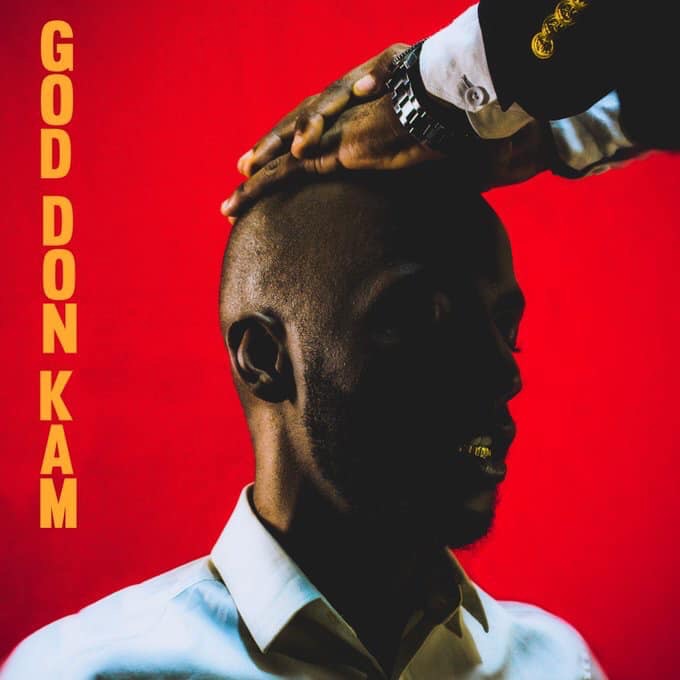
A Review Of Jovi’s Highly Talked About Album God Don Kam
|
Getting your Trinity Audio player ready...
|
“Ouleu’s” powerful opening lines will always make it a memorable song…Tous mes diplômes sont dans le placard avec tous les cafards. Dans les bars après une bouteille on devient bavard. C’est pas l’école mais le chômage qui m’apprend à reflechir…“Ouleu” is a fast tempo, fun song with a Kanye West like piano beat that references football; Zidane, Zlatan and Dugarry. It doesn’t hit the pedigree of the first two songs though. “Devil nodi sleep” is an old EP release which is just average. It features a drum beat and simple rhymes.
In a masterful return to the Le Monstre signature Bikutsi style beat with a gong accompaniment that twinkles brisk notes all over the place, “Sok Sok” is very reminiscent of “Cash”. And Jovi never walks that Bikutsi path without Tatapong Beyala on his right hand, vocalising in her very unique manner in the background. It is also unforgettable for its funny line, …for seka telenovas your damay di burn for fire. The brilliant rhyming of non English words towards the end which corresponds with the last word, nyang nyang strikes poetic cords.
“Jengu” is so beautiful and unique. A slow song with a spiritual element. It seems to play straight from the heavens, with its weepy background vocals. Jovi raps about his musical success, jealousy on his career and narrates street and lustful tales. Most importantly, he samples his mother’s voice in the song – her monologue in Limbum at the end – just like Jay-Z did with his mum on the track “December 4” and Nas with his dad, Olu Dara in the song, “Bridging the gap”.
“Feel Me Feel Free” starts with a heavy metal rock sound and a sharp, annoying note. Like an unusually loud bird doing its noisy morning breeding call. The artist raps about people who are empty vessels and sell outs. It is not as cool as the former. The beat of the next song, “God Don Kam” almost sounds dysfunctional; an NBA buzzer sounding instrument, a short, squeaky note and somersaulting xylophones. Jovi starts off singing the hook in Limbum himself and rapping in English, then French. The choir chanting in the back ground makes the togetherness of the whole composition functional.
After the very culturally inspired song that named the album, an exquisite song with an American feel, “Versus Versus” follows suit. It is a Motown eighties RnB/Jazz like sounding slow tune with really beautiful background vocals and horns that are almost scared of playing. It is probably the best sampled song on the album. It is also logical that the whole track is performed in English. “Versus Versus” is full of reflections about life; his hardships, his emergence to the music scene and being the light, who shows others how to work the ropes in the industry. Plus, it features that gripping opening line…The only Ls I ever got is the one that I smoke.
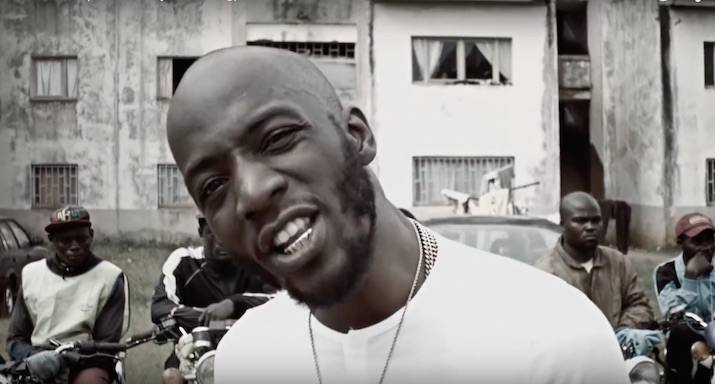
Cameroon’s national dish may be Ndolé officially, but it is also a dance song with elements of trap music in “God Don Kam”. Also, the song is very evocative of Jovi’s hit, “Et p8 koi”. The Tatapong Beyala monologue at the beginning and funny, male voiced back-ups accompanying almost all of Jovi’s rap lines about his music supremacy has similar parallels to the delivery in “Et p8 koi”. The rapper tells an absorbing story about a one night stand with a girl at one point.
“Tchak” is on the same wavelength with “Ndolé”, both in beat and tone, except for its Dr. Dre like funk incorporated at the end. It focuses primarily on his superior style, swag and fashion, with a good dose of lustful lines. The message is simple; everything Jovi does is cool. Rather, people say its cool. Even when he goes unconventional with fashion, people still say its cool. It is easily the funniest song on the album. There are humourous lines like… I wear clothes backside mendem holla tchak, I move clothes waka empty lass men dem still holla tchak…clothes old sutay tear-tear mendem still holla tchak.
“20 Ba” shows off a loud horn and a nice drum beat. Just like the previous song, the message is simple. Everything centers around money. Twenty million francs. Vingt Ba. Everything costs 20 Ba. A piece of land costs 20 Ba. His girlfriend needs 20 Ba. Its fun mood is worlds away from the most heartfelt song on the album, “No Peace“, in which Jovi actually preaches peace. It is slow, solemn and mournful, with tearful vocals at the rear, feather light piano keys and a finger snap sound.
The rap god spits a celestial flow which is a reflective sermon. He paints very vivid images about the Anglophone crisis and its repercussions. He elucidates on how the situation is back home to Cameroonians in the diaspora. Again, he’s only a reflective interlocutor. The line, quantity fufu di show how long you dong di grind stands out.
“God Di Kam” concludes “God Don Kam”. It is characterized by a melodic choir intro that also acts as the background chant on a beautiful piano beat which slows down considerably as the song progresses. Jovi spacewalks on the beat with a flow which is laden with punch lines – mimbo stories in bars. He also spits bar after bar, while bragging about his rap skills and position in the music industry. This line sticks, Man di bolo inside studio anytime the whole year, like say ma shio tight on top da chair.
Overall, Jovi yi fourth album tchak like koki way grand rémé knack am for three stone fireside for village. “God Don Kam” is a classic, the rapper’s best work in a long time, which sits six millimetres directly behind “HIV”.
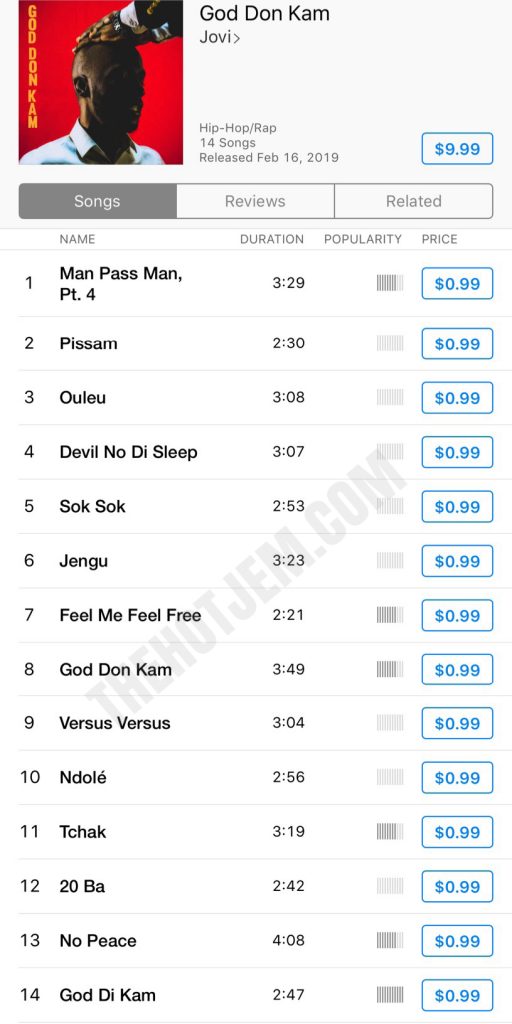
Complete tracklist for Jovi’s God Don Kam album, as seen on the iTunes Store.
About The Author:
Nkiacha Atemnkeng is a Cameroonian writer and music journalist. His work has been published in The Africa Report, Culture Trip, Bakwa, Saraba and Gyara Magazine. He is a Goethe Institut/Sylt Foundation writing residency fellow. Find him on Twitter: @nkiacha
Discover more from The HotJem
Subscribe to get the latest posts sent to your email.