Digital Governance and E-Governance Platforms in Africa
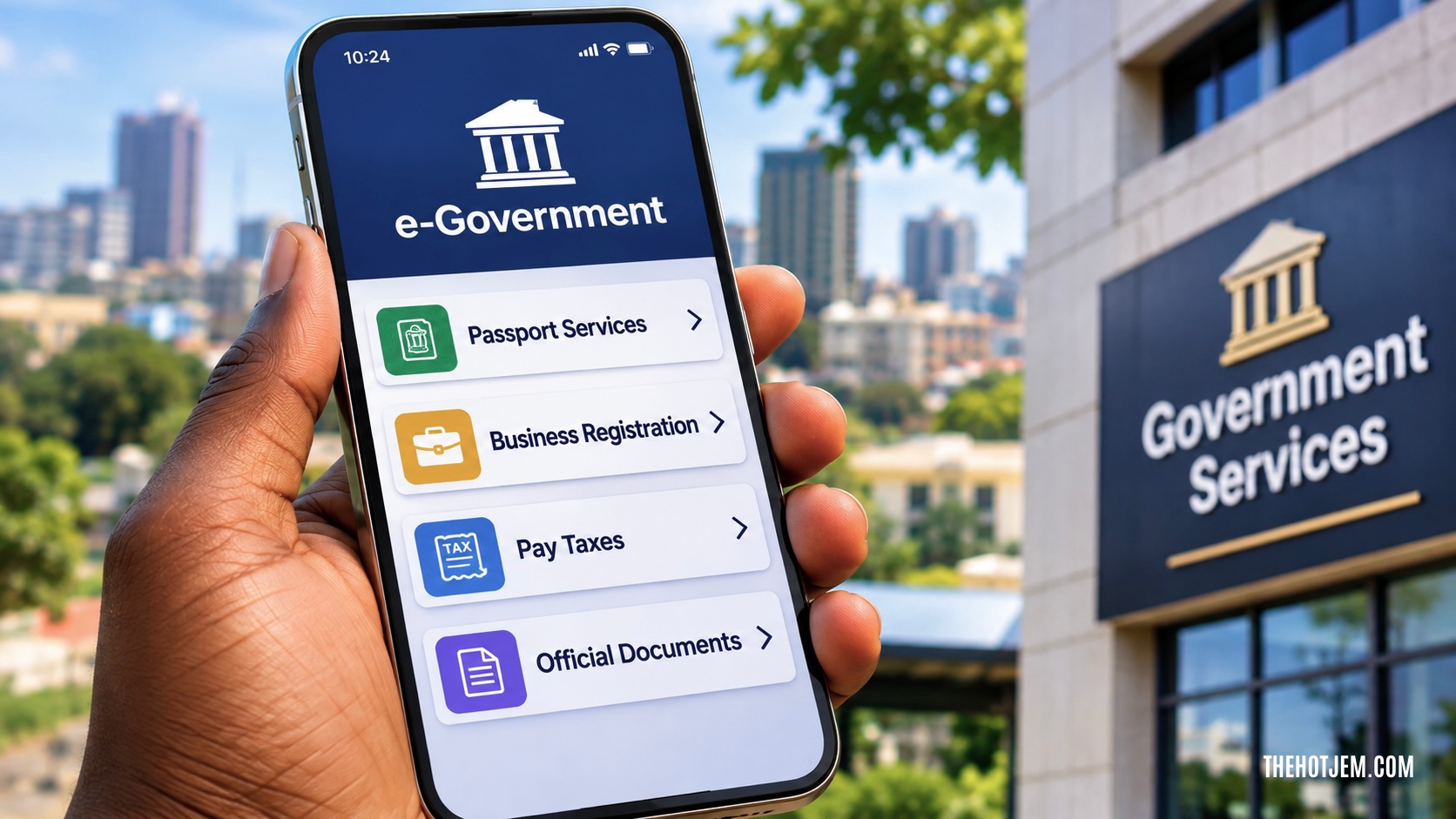
Imagine needing to renew your passport, register a business or obtain an official document without having to take time off work, travel to a government office and spend hours waiting in line. That is the convenience digital government services are meant to offer, and more African countries are beginning to make it possible.
Digital governance, also known as e-governance, is changing how governments communicate with citizens and deliver public services. Instead of requiring people to handle every administrative task in person, governments are introducing websites, mobile applications and online platforms that allow citizens to complete certain procedures from their phones or computers.
For many people, this is more than just a technology upgrade. It can mean less time spent travelling between offices, fewer frustrating delays and easier access to services that were once difficult to obtain.
Rwanda is one of the countries making progress in this area through IremboGov. The platform brings various government services together in one place, allowing citizens to apply for official documents, make payments and access administrative services online. Rather than visiting different offices for every procedure, users can complete many of these tasks through a single digital platform.
Kenya has also invested in digital public services through eCitizen. The platform provides access to services such as passport applications, business registration and government payments. Having these services available online makes it easier for people to handle administrative matters without necessarily making a physical visit to an office. This can be particularly helpful for Kenyans living abroad who need to manage certain official matters back home.
Ghana is moving in the same direction, with digital platforms supporting services such as business registration, tax administration and access to government information. These systems are part of a wider effort to make public administration more efficient and reduce the amount of paperwork and physical visits involved in everyday government procedures.
Cameroon is also working towards greater digitalisation of public administration. The country has introduced digital systems in areas such as public finance management and continues to develop online administrative services. However, accessing government services digitally is not yet straightforward across the board. Many procedures still involve physical visits, paperwork and waiting, which shows how much more work is needed before online services become a convenient option for most citizens.
One of the biggest advantages of e-governance is the time and money it can save. Anyone who has spent an entire morning moving between government offices to obtain a document understands how exhausting administrative procedures can become. Online platforms can make some of these tasks much easier by allowing people to submit applications, make payments and check information without leaving home or work.
There are benefits for businesses, too. Registering a company, completing tax-related procedures and obtaining official documents can become less complicated when the relevant services are available online. For entrepreneurs and small business owners, fewer administrative delays can make it easier to get things moving.
Digital government services are particularly useful for Africans living abroad. Imagine being in the United States, Canada or the United Kingdom and needing to renew a passport, obtain a document or handle a business matter in your home country. Having reliable online services means you may be able to complete at least some of these procedures without booking a flight or asking relatives to visit government offices on your behalf. It also gives people in the diaspora a more convenient way to remain connected to official services back home.
Of course, putting government services online does not automatically make them efficient. A platform is only useful if people can access it, understand how it works and trust that their personal information is protected. Internet access remains limited or expensive in some communities, while others may not have the digital skills or devices needed to use these services. Poorly designed websites, payment difficulties and unreliable systems can also turn what should be a convenient process into another source of frustration.
Security is another major concern. Government platforms collect sensitive information, including personal details, identification documents and financial records. Governments must take data protection and cybersecurity seriously, ensuring that citizens’ information is not exposed, misused or accessed without permission. There should also be alternative ways to access essential services for people who cannot use digital platforms.
Ultimately, digital governance should make life easier for citizens, not create another obstacle. African countries have an opportunity to use technology to improve public services, support businesses and make government institutions more accessible. The progress made in Rwanda, Kenya and Ghana shows what is possible, while the challenges that remain in countries such as Cameroon highlight the importance of investing in reliable systems and making sure they work for everyone.
For Africans at home and abroad, the real measure of progress will not be how many government websites or apps a country launches. It will be whether people can actually get things done more easily, spend less time dealing with paperwork and access the services they need without unnecessary complications.
Discover more from The HotJem
Subscribe to get the latest posts sent to your email.