




Why “Making It Abroad” Means Something Different In Every African Family
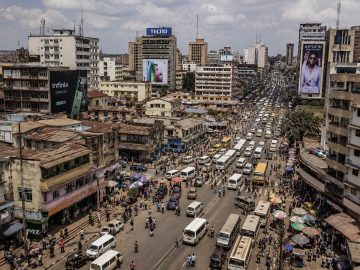
For many Africans, moving abroad is about chasing better opportunities. For the family back home, however, it often means something much bigger. The moment someone leaves for Europe, North America or another developed country, expectations can begin to change.
The interesting part is that “making it abroad” doesn’t always mean the same thing to the person who left and the family they left behind.
For the person abroad, success usually starts with the basics. Finding a job, paying rent, learning a new system and simply staying afloat are often the first victories. Life in a new country can be expensive and overwhelming, so success isn’t always about driving a luxury car or buying a house. Sometimes it’s just about finally feeling stable.
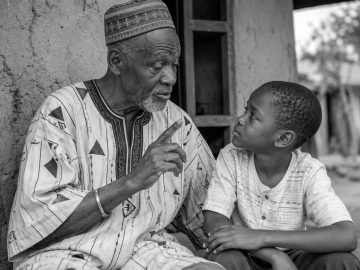
Back home, the picture can look very different. Many families see a relative moving abroad as a turning point for everyone, not just the individual. There is often hope that they will help pay school fees, support relatives, build a family home or improve everyone’s quality of life. Whether those expectations are spoken or unspoken, they can be hard to ignore.
That gap in expectations creates pressure that many Africans in the diaspora know all too well. While family members may believe life abroad is comfortable, the reality can be very different. Bills, taxes, rent and everyday expenses quickly add up, yet many people hide those struggles because they don’t want their loved ones to worry or feel disappointed.
In many African communities, having a family member abroad is also a source of pride. It can change how a family is viewed and become a symbol of progress, even if the person abroad is still trying to find their footing. Sometimes the image of success arrives long before the success itself.
Over time, the responsibility can grow. Helping parents may eventually extend to supporting siblings, cousins and other relatives. What starts as the occasional financial contribution can slowly become an expectation. For some, it becomes difficult to build their own future while trying to carry the hopes of so many other people.
There is also an emotional side that doesn’t get talked about enough. Many Africans in the diaspora feel like they are living two lives. There is the life they experience every day, and then there is the version of their life that family and friends imagine back home. Those two realities don’t always match, and keeping up that image can be exhausting.
The meaning of “making it” also changes from one generation to the next. Older family members may see success through financial support and visible achievements back home. Younger Africans, especially those raised abroad, may define success differently. They may value career growth, personal happiness, financial independence or simply having a healthy work-life balance.
The truth is, there is no single definition of making it abroad. For some, it means buying a home. For others, it means sending money home every month. For many, it simply means creating a stable life while doing their best to support the people they love.
That is why the phrase carries so much meaning in African families. It isn’t just about living in another country. It’s about responsibility, sacrifice, hope and the desire to create a better future, even when that journey looks very different from what people imagine.
Discover more from The HotJem
Subscribe to get the latest posts sent to your email.