


The Current Situation In Cameroon Politics
|
Getting your Trinity Audio player ready...
|
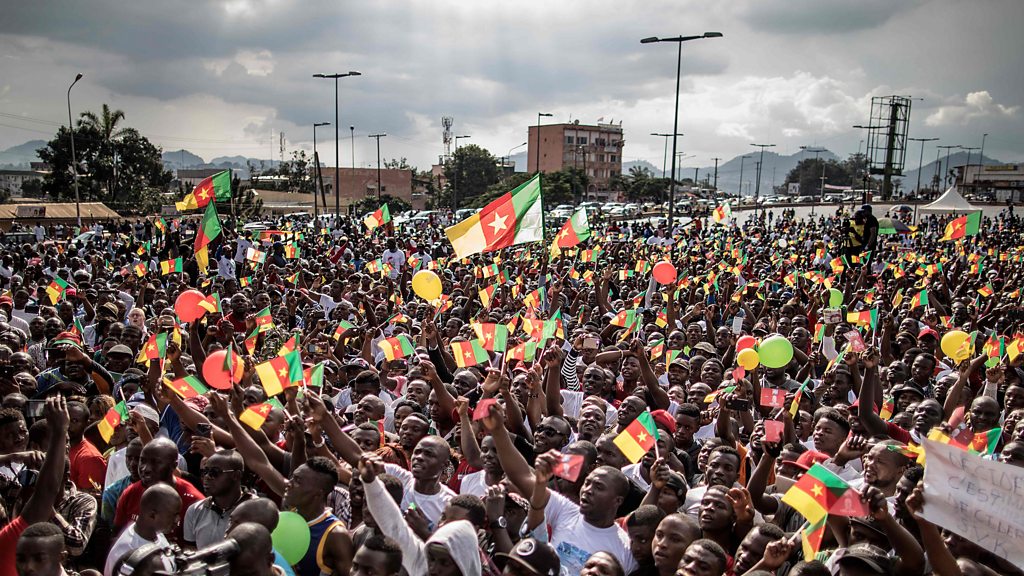
Cameroon is living through a period of political tension following the presidential election that was held on 12 October 2025. Citizens went to the polls hoping for change or continuity, depending on their political views, but days after voting, the country is still waiting for the official results. According to international media such as Reuters, The Guardian, and AP News, the atmosphere in Cameroon is filled with uncertainty, debates, and growing pressure on the electoral commission to release transparent results.
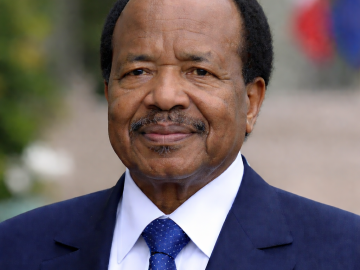
President Paul Biya, who is now 92 years old and has ruled Cameroon since 1982, was again a candidate in this election. Many expected him to win because of his long control over the political system and the ruling party, the Cameroon People’s Democratic Movement. However, this year, the opposition showed more courage and determination. One of the main opposition figures, Issa Tchiroma Bakary, declared himself the winner soon after voting ended, saying he had received the support of the people and calling on the government to respect their choice. His announcement created both excitement and fear among his supporters and confusion among others waiting for the official results.
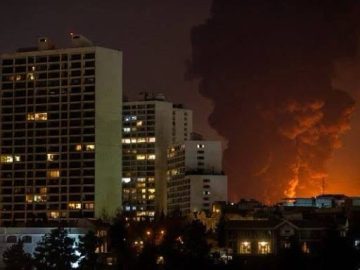
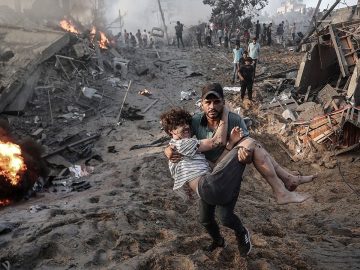
Reports also reveal that the constitutional court is still verifying the votes and is expected to officially announce the results before 26 October 2025. Until then, many Cameroonians are anxious about what could happen next. Some local party offices, especially those belonging to the ruling party, have been attacked or set on fire in places like Dschang, showing how high the political tension has become. Civil society groups have also raised concerns about irregularities during voting and counting, with accusations of ballot manipulation and lack of transparency.
Another issue affecting the credibility of this election is the security situation in Cameroon. For several years, the country has faced violence in the Anglophone regions of the Northwest and Southwest, where separatist groups are fighting for independence. In addition, there are threats from extremist movements in the northern part of the country. These challenges made it difficult for some citizens to vote freely or safely. Observers believe that these conflicts influence both the turnout and the fairness of the results.
Many political analysts say that Cameroon’s opposition remains divided, which gives the ruling party a big advantage. Even though there is strong demand for new leadership, opposition figures often fail to unite behind one candidate. This division has made it easier for the current system to stay in place for decades. However, the growing frustration among young people and civil society organizations shows that the desire for reform is becoming stronger than before.
As the nation waits for the final announcement, citizens are showing mixed feelings. Supporters of Paul Biya hope for stability and continuity, arguing that his experience ensures peace. Others believe it is time for a new direction, led by younger and more dynamic leadership. The uncertainty has also attracted the attention of international observers and media, who are calling for calm, fairness, and transparency. The African Union, European Union, and several African governments are following the situation closely and urging the authorities to handle the outcome responsibly.
The future of Cameroon will depend on how the next few days are managed. If the constitutional court confirms Paul Biya as the winner, it would mean a continuation of his leadership, but it could also provoke public protests in cities like Douala and Yaoundé, especially among those who feel their votes did not count. On the other hand, if the opposition manages to challenge the results successfully, the country could experience a new political chapter, but also possible unrest from ruling party supporters.
Beyond politics, this election reflects the growing power of technology and media in shaping opinions. Many young Cameroonians are now using social media to express their anger, hope, and frustration. Digital platforms have become the main place for sharing election news, sometimes spreading both verified information and unconfirmed rumors. This shows how much influence online communication now has in shaping the future of democracy in Cameroon.
At this point, Cameroon stands at a crossroads. The election has revealed not only political tension but also the deep desire of citizens for progress, fairness, and better governance. Whether the country moves toward peace or deeper division will depend on the honesty of the results and the actions of its leaders in the coming weeks. For now, the world watches and waits, as Cameroon prepares to learn the name of its next president and the direction its future will take.
Share this
- Click to share on Facebook (Opens in new window)
- Click to share on WhatsApp (Opens in new window)
- Click to share on Twitter (Opens in new window)
- Click to share on Threads (Opens in new window)
- Click to share on LinkedIn (Opens in new window)
- Click to share on Pinterest (Opens in new window)
- Click to email a link to a friend (Opens in new window)
Discover more from The HotJem
Subscribe to get the latest posts sent to your email.