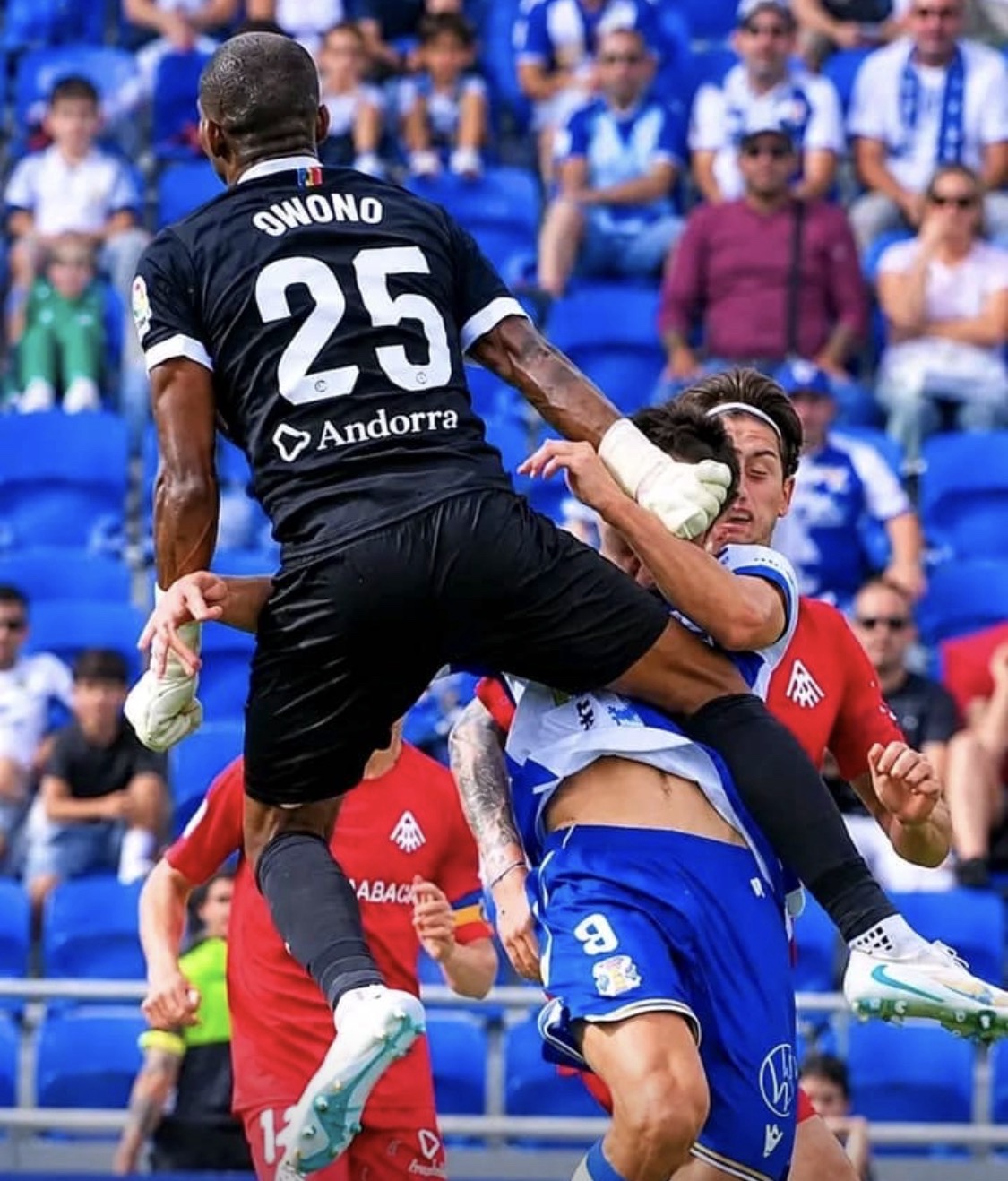
Jesús Owono: The African Soccer Goalkeeper Facing Online Abuse After a Fatal On-Field Incident
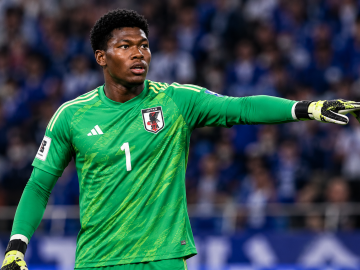
A tragic incident during a Spanish soccer match has placed Equatorial Guinea goalkeeper Jesús Owono at the centre of a difficult and emotional situation. What began as a collision on the pitch ended with the death of Spanish soccer player Jesús de Miguel, leaving his family, teammates and the soccer community mourning a devastating loss. In the days that followed, Owono also found himself facing intense online criticism, threats and abusive comments.
The incident happened on November 2, 2026, during a match between FC Andorra and CD Tenerife. The game was tied 2-2 when Owono collided with De Miguel during stoppage time. The goalkeeper received a straight red card following the incident, and the match was abandoned. De Miguel suffered a cardiac arrest and died the following morning, November 3, at the age of 30.
The news of his death was deeply upsetting, particularly for those who had watched the match and understood how quickly an ordinary soccer game had turned into a tragedy. Losing a player in such circumstances is heartbreaking, and the grief surrounding De Miguel’s death deserves to remain at the centre of the story.
However, the incident also triggered a wave of reactions directed at Owono. The goalkeeper became the target of insults, accusations and threats across social media, with some users placing responsibility for De Miguel’s death entirely on him. While the circumstances of the collision are serious and deserve proper examination, the anger directed at Owono has raised concerns about the growing tendency to turn tragic sporting incidents into online attacks against individual players.
A red card is a sporting decision made during a match. It does not, by itself, establish criminal responsibility for what happened afterwards. Any investigation into the circumstances surrounding De Miguel’s death must be allowed to take its course, and conclusions about responsibility should not be drawn from social media reactions.
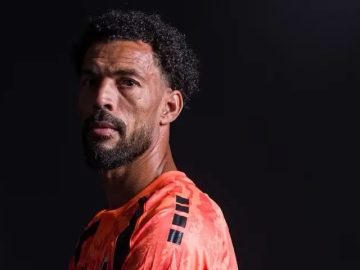
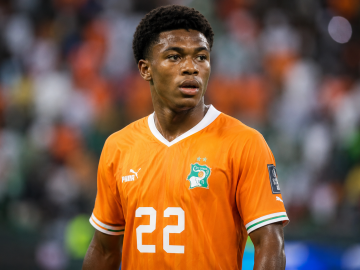
The situation became even more troubling when another soccer player, Michel Owono, reportedly began receiving racist insults and threats after being mistaken for Jesús Owono. Michel was not involved in the incident. The fact that someone could become a target simply because people confused the two players shows how quickly online abuse can spread, especially when users react without checking the information they are sharing.
The response has also affected Owono’s international soccer career. He was left out of Equatorial Guinea’s November squad, while the country’s soccer federation publicly expressed support for him. These developments have added another layer to an already difficult situation for the goalkeeper, who is now dealing with the consequences of a tragedy that has affected several people.
Soccer is an emotional sport, and supporters naturally feel strongly about their teams and the players they watch. When a player dies during or following a match, those emotions can become even more intense. But grief and frustration should not become excuses for threats, racism or harassment. Players are human beings, and they should not be subjected to abuse simply because they were involved in a tragic incident.
There is also a wider issue here about how African soccer players are treated when they play outside their home countries. They often represent not only their clubs but also their national teams and communities. When something goes wrong, the attention they receive can quickly become personal, with criticism crossing the line into racist abuse and threats. That should never be accepted as part of the game.
The death of Jesús de Miguel is a tragedy, and his family, friends, teammates and supporters deserve compassion and respect. At the same time, Jesús Owono deserves a fair process and should not be condemned through online accusations. The investigation into the incident must establish the facts, while those using social media should remember that there are real people on the receiving end of their words.
Two things can be true at once: a soccer player’s death deserves to be taken seriously, and another player’s safety and dignity must also be protected. Soccer should be a place where people come together around the game, not a reason to direct hatred and threats at someone caught up in a heartbreaking moment.
Discover more from The HotJem
Subscribe to get the latest posts sent to your email.